

Here’s a question that trips up even the wellness crowd. Insulin is a peptide. Insulin is also a hormone. So are peptides hormones by definition? Not quite, and the answer reveals something useful about how your body signals itself and how modern medicine borrows those signals.
Inside this guide:
- What peptides and hormones actually are
- Where the two overlap
- How peptide hormones work
- Common peptide hormones you know
- What this means for peptide therapy
At Natura Dermatology in Fort Lauderdale, we use peptide therapies under medical supervision. Understanding the science helps you make informed choices.
The Short Answer
Some peptides are hormones, but not all peptides are hormones, and not all hormones are peptides. The two words describe different things entirely.
Here’s the key distinction that clears up the confusion:
- Peptide describes a chemical structure: a short chain of amino acids linked by peptide bonds
- Hormone describes a function: a signaling molecule that travels through the body to regulate a process
So asking whether peptides are hormones is a little like asking whether wood is furniture. Some wood becomes furniture. Some becomes paper or firewood. The material and the function are separate ideas.
A peptide becomes a peptide hormone only when it performs a hormonal job, traveling through the blood to signal distant cells. Many peptides do other work entirely, like healing tissue, defending against invaders, or building structure.
Pro tip: When you see “peptide,” think structure. When you see “hormone,” think job. A molecule can be one, both, or neither.
What Are Peptides
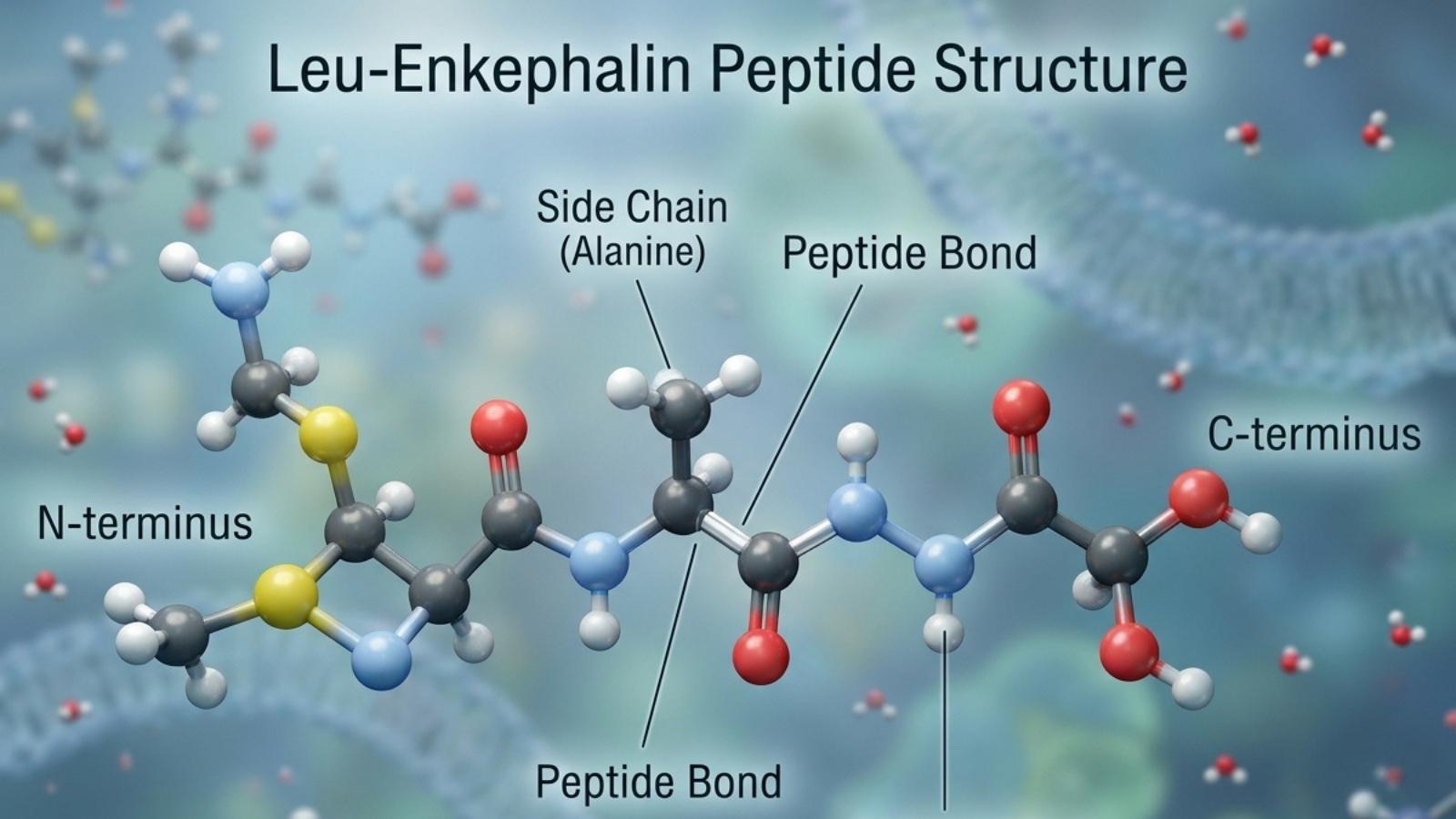
Start with the building blocks. Peptides are short chains of amino acids, the same building blocks that make up proteins. The difference between a peptide and a protein is mostly size.
Chain a few amino acids together and you have a peptide. Chain dozens or hundreds and you have a protein. The line is fuzzy, but peptides generally run shorter, from two up to around fifty amino acids.
The many jobs peptides do
Peptides are versatile. They serve as signaling molecules, structural components, or biological catalysts in the body. Their roles include:
- Cell signaling and communication
- Tissue healing and repair
- Immune defense
- Metabolism control
That first point matters most for our question. When a peptide’s signaling job means carrying a message through the bloodstream to regulate a distant organ, it crosses into hormone territory. Our overview of peptide therapy explains how this signaling role gets used medically.
What Are Hormones
Now the other half. Hormones are your body’s long-distance messengers. They coordinate development, growth, reproduction, metabolism, and more across the whole organism.
Crucially, hormones come in several chemical types. They are not all built the same way.
The three main hormone classes
Scientists group hormones by chemical structure:
| Hormone type | Made from | Examples |
|---|---|---|
| Peptide hormones | Amino acid chains | Insulin, growth hormone, oxytocin |
| Steroid hormones | Cholesterol | Testosterone, estrogen, cortisol |
| Amino-acid-derived | Single amino acids | Thyroid hormone, adrenaline |
This table answers half the riddle on its own. Steroid hormones like testosterone are hormones, but they are not peptides. They are built from cholesterol, not amino acid chains. So “not all hormones are peptides” is simply a fact of chemistry.
That distinction also explains why peptides and anabolic steroids are fundamentally different, a point that matters when people compare peptide therapy to steroid use.
How Peptide Hormones Work
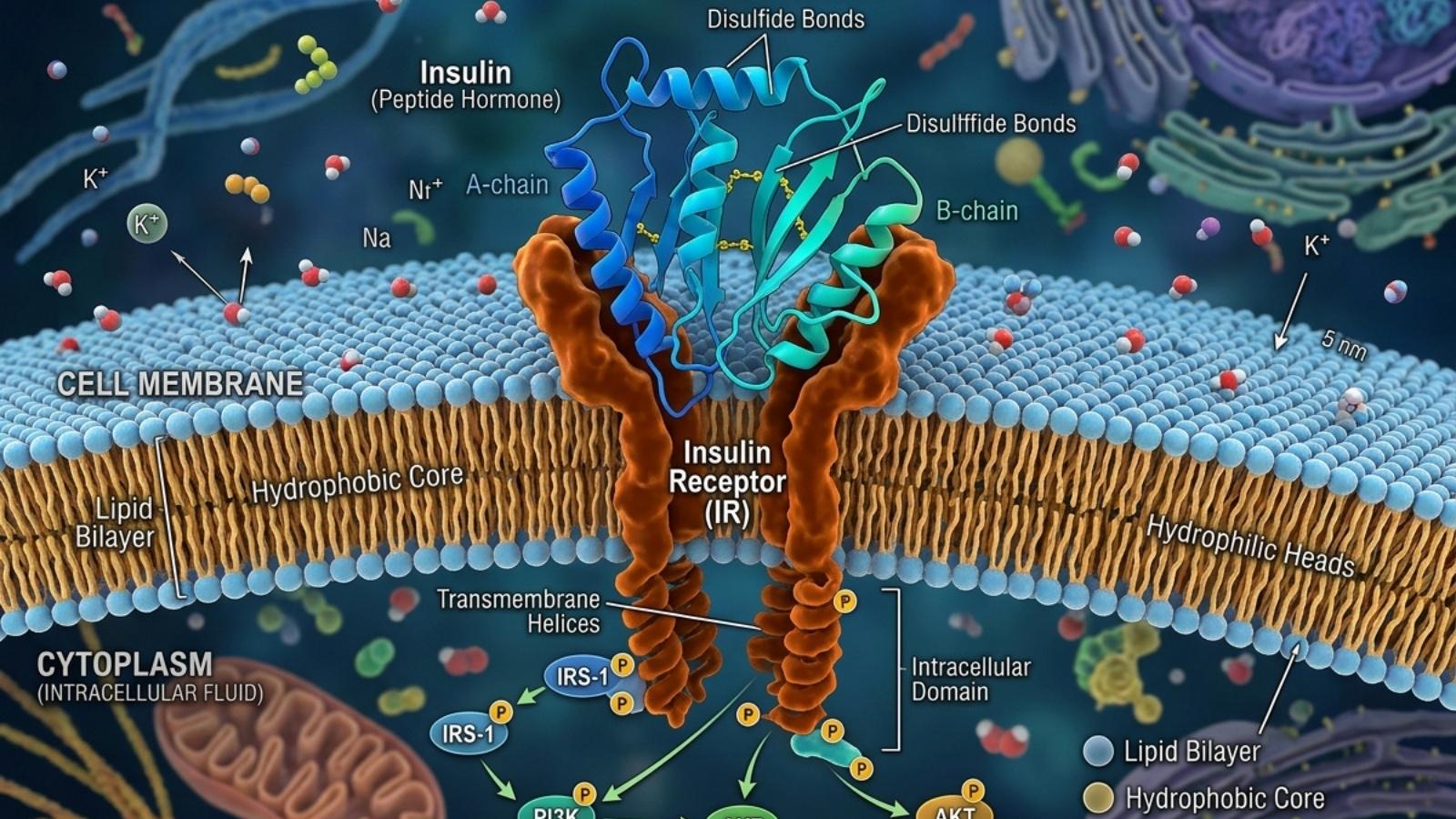
When a peptide does act as a hormone, it follows a specific and elegant process. Understanding it explains why peptide hormones behave the way they do.
They signal from the cell surface
Peptide hormones are water-soluble. That single property shapes everything about how they work. Because they dissolve in water, peptide hormones generally cannot cross the fatty cell membrane.
So instead of entering the cell, they knock on the door. Peptide hormones typically bind to receptors on the cell surface, triggering a cascade of signals inside the cell. This is called a second messenger system.
Contrast that with steroid hormones. Being fat-soluble, they slip right through the membrane and act inside the cell directly. Same job, completely different delivery method.
They are made and released on demand
Peptide hormones are synthesized from larger precursor proteins, then trimmed into their active form through a process called proteolytic cleavage. Your body releases them in two ways:
- Constitutive secretion maintains steady baseline levels
- Regulated secretion releases a burst in response to a specific signal
Insulin is the classic example. Your pancreas holds it ready, then releases a surge the moment your blood sugar rises after a meal.
They act fast, then fade
Many naturally occurring peptide hormones have relatively short half-lives, although duration varies and some medicines are modified to act much longer. That’s a feature, not a flaw. It lets your body direct processes precisely, without a signal lingering long after the job is done.
Peptide Hormones You Already Know
You interact with peptide hormones every day, often without realizing it. Here are the ones running quietly in the background.
| Peptide hormone | What it does |
|---|---|
| Insulin | Regulates blood sugar by moving glucose into cells |
| Human growth hormone | Drives growth, metabolism, and tissue repair |
| Oxytocin | Influences bonding, labor, and social connection |
| Glucagon | Raises blood sugar when it drops too low |
| GLP-1 | Regulates appetite and blood sugar |
| FSH and LH | Control reproduction and fertility |
The pituitary gland: hormone command center
Many peptide hormones originate in the pituitary gland, your body’s master gland. It produces growth hormone, follicle stimulating hormone, luteinizing hormone, and more.
The hypothalamus adds another layer with releasing hormones. Gonadotropin releasing hormone, thyrotropin releasing hormone, and growth hormone releasing hormone all signal the pituitary to release its own hormones in turn. It’s a cascade, one peptide triggering the next.
The gut hormones
Your digestive tract is a major hormone producer too. GLP-1, gastric inhibitory polypeptide, pancreatic polypeptide, and others regulate hunger, digestion, and blood sugar. This is exactly the family that GLP-1 weight loss medications imitate, which our guide on GLP-1 side effects explores.
What This Means for Peptide Therapy
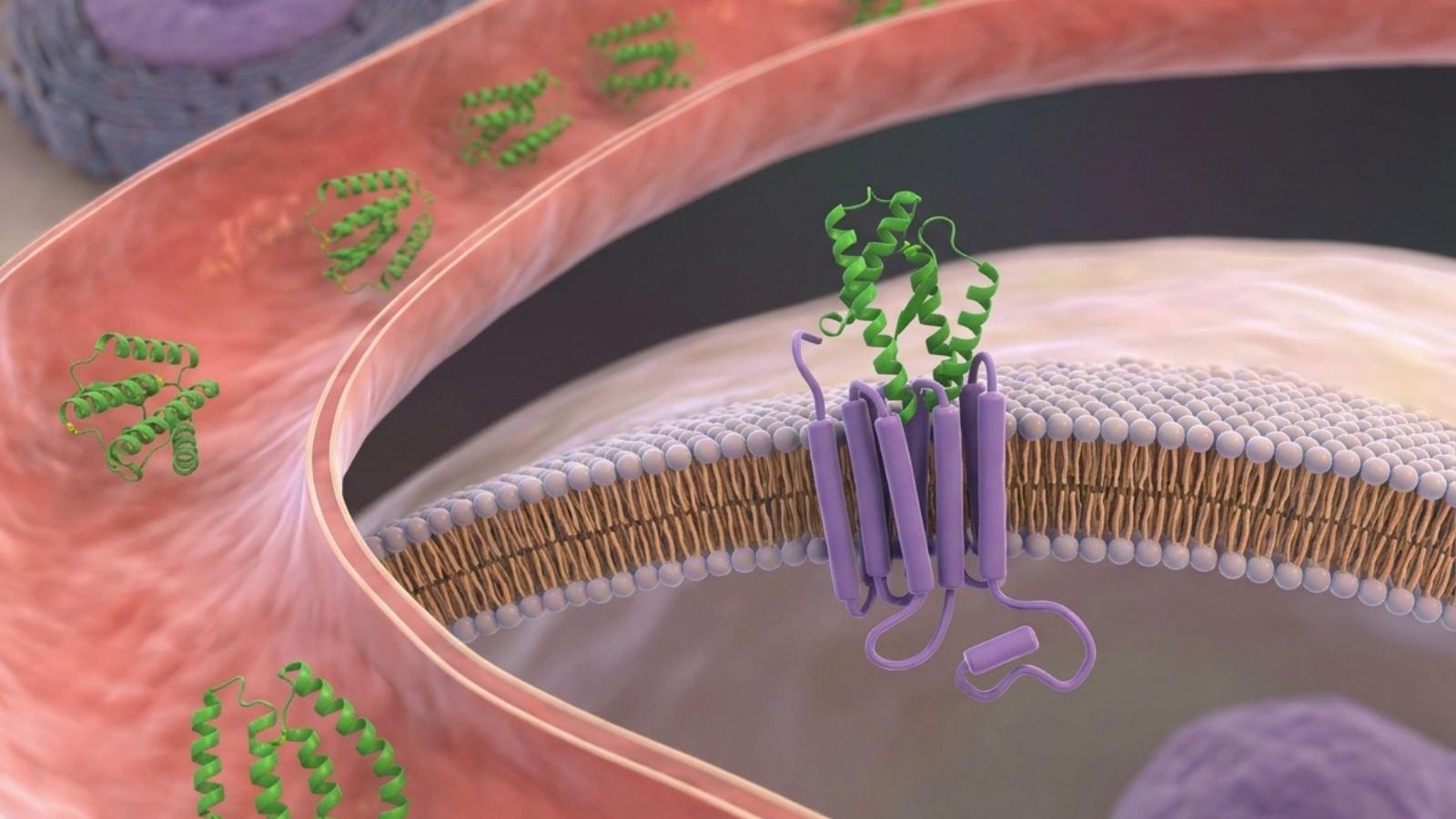
Some peptide medicines have FDA approval for specific uses. Examples include insulin products for diabetes, certain semaglutide products for diabetes or weight management, and tesamorelin for excess abdominal fat in adults with HIV-associated lipodystrophy. Indications depend on the exact product.
Other products marketed for recovery, muscle growth or anti-aging have limited human evidence. They are not proven safe because they resemble natural signals or are administered under supervision. Compounded drugs are not FDA-approved. Ask about the particular medicine, indication, evidence and risks rather than relying on the broad label “peptide therapy.”
Not every peptide acts as a hormone. A cosmetic ingredient or a compound studied for tissue repair should not inherit the clinical evidence for an approved hormone medicine.
Natural and Synthetic Peptides
The body produces peptide and protein signals, and medicines can reproduce or modify some of them. A natural origin does not guarantee that an added product is safe, and a synthetic origin does not make an approved medicine inherently unsafe. Product identity, dose, indication and clinical evidence matter.
Examples of approved uses include specific insulin products for diabetes and teriparatide for certain patients with osteoporosis at high risk of fracture. Testosterone is a steroid hormone, so testosterone replacement should not appear as a generic example of peptide treatment. Some peptide medicines affect reproductive-hormone pathways, but their indications must be stated individually.
A laboratory mechanism is not proof that a product improves sleep, vitality or aging. Discuss the evidence for the specific proposed use with your clinician.
Understand Peptides With Natura
So are peptides hormones? Some are, some are not. Peptide describes structure, hormone describes function, and the two overlap in important molecules like insulin and growth hormone. Knowing the difference helps you navigate peptide therapy wisely.
Keep these takeaways handy:
- Not all peptides are hormones, and not all hormones are peptides
- Peptide hormones are water-soluble and signal from the cell surface
- Insulin, growth hormone, and GLP-1 are peptide hormones you know
- Steroid hormones are hormones but not peptides
- Unregulated peptides carry real risks, so medical oversight matters
Considering peptide therapy and want to understand your options? Book a consultation at Natura Dermatology in Fort Lauderdale, where our medical team explains the science and designs a supervised, evidence-based plan. Explore our peptide therapy services and make an informed decision.
Frequently Asked Questions
Are peptides and hormones the same?
No. Peptide describes a chemical structure, a short amino acid chain, while hormone describes a function. Some peptides are hormones, like insulin, but many are not.
What are the negatives of taking peptides?
Unregulated peptides can contain impurities, trigger allergic reactions, and carry unknown long-term risks. FDA-approved peptide medicines have product-specific evidence and warnings. Appropriate prescribing and monitoring help manage their risks but do not eliminate them.
Are peptides safer than steroids?
They work differently. Peptides are amino acid chains while steroids derive from cholesterol. Neither unregulated form is proven safe, so medical supervision is essential for either.
Who should avoid peptides?
Anyone pregnant, breastfeeding, with cancer history, or significant health conditions should avoid unregulated peptides. Always consult a healthcare provider before starting any peptide therapy.
Are natural and synthetic peptides different?
Natural peptides are made by your body, while synthetic peptides are lab-produced copies. Approved synthetic versions are tested and regulated, unlike unverified supplement-grade peptides.
Can peptides treat medical conditions?
Yes. Specific approved peptide medicines treat conditions such as diabetes and certain forms of osteoporosis. The indication depends on the exact medicine. Testosterone itself is a steroid hormone, and generic peptide therapy is not an approved treatment for low testosterone.


