

Have you ever felt like no amount of gym time is giving you the legs you want? Sometimes, building muscle or toning calves isn’t just about effort—it’s about options. That’s where calf contouring steps in. Whether you’re looking for a surgical solution, a non-invasive fix, or something in between, we are here to break it all down so you can make the choice that works for you.
We’ll walk you through the pros, cons, and outcomes of each option, with a side of real-world insight to help you feel confident in your next steps.
What’s covered in this guide:
- Calf implants: the surgical route for permanent enhancement
- Fat grafting: a natural way to add volume
- EmSculpt NEO: non-invasive muscle toning and fat reduction
- Injectable fillers: quick results without the downtime
- Non-surgical lifts: targeted treatments for subtle changes
- FAQs: everything you need to know, answered
P.S. At Natura Dermatology & Cosmetics, we specialize in helping you look and feel your best with advanced treatments like EmSculpt NEO. Ready to explore your options? Let’s get started.
What Is Calf Contouring?
Calf contouring refers to a range of treatments and procedures aimed at reshaping, enhancing, or toning the lower leg area. Whether it’s to add definition, correct asymmetry, or achieve a balanced look, these options cater to different goals and comfort levels.
For some, genetics play a major role in how their calves look, while others may notice changes due to weight fluctuations or aging. Whatever the reason, calf reduction surgery offers solutions tailored to individual needs—from subtle refinements to noticeable transformations.
Key approaches to calf contouring include:
- Surgical options like implants for long-term volume and symmetry.
- Non-surgical treatments like EmSculpt NEO, which strengthens and sculpts muscle without invasive procedures.
- Minimally invasive techniques like fat grafting or fillers for a natural enhancement.
Each method has its benefits, risks, and ideal candidates, which we’ll unpack in the next sections. No matter your starting point, there’s likely a solution that fits your goals and lifestyle.
Benefits of Calf Contouring
Calf contouring isn’t just about aesthetics—it’s about boosting confidence and achieving balance. Whether you’re enhancing symmetry or adding definition, the right approach can make a noticeable difference. Here’s why people choose calf contouring:
- Improved Leg Proportions: Uneven or underdeveloped calves can make your legs appear out of sync with the rest of your body. Contouring creates a more harmonious silhouette, whether you’re targeting size, shape, or muscle tone.
- Customized Results: From subtle toning to dramatic enhancements, calf reduction procedures let you pick the level of change that fits your style and comfort zone. Non-surgical solutions, like EmSculpt NEO, are perfect for those who want natural-looking results without committing to surgery.
- Boosted Confidence: Sometimes, fixing what bothers you physically can lead to a huge mental shift. Feeling good about your legs might make you more excited to show them off—whether in shorts, dresses, or even at the gym.
- Minimal Downtime Options: Non-invasive treatments offer results without disrupting your life. With solutions like EmSculpt NEO, you can work on muscle tone and fat reduction in quick, painless sessions.
- Solutions for All Goals: Whether you’re looking for permanent implants, subtle fat grafting, or muscle definition, there’s a technique to match your needs. Every approach has its own unique advantages, giving you plenty of flexibility.
Natura Dermatology & Cosmetics specializes in non-surgical solutions that deliver results without the need for extensive recovery time. Want a personalized approach? Let us help you find the right treatment for your goals.
Calf Contouring Options

Calf reduction procedure includes a variety of techniques, from surgical procedures to non-invasive treatments. Each option offers distinct benefits, making it important to choose based on your goals, comfort, and desired recovery time.
1. Calf Implants
Calf implants are a surgical option for those looking to add significant volume and symmetry to their calves. This procedure involves inserting silicone implants into the calf muscles to achieve a fuller and more defined appearance. It’s ideal for individuals with naturally thin calves or muscle imbalances caused by genetics, injury, or illness.
How it works?
- Performed under general anesthesia by a plastic surgeon.
- Implants are inserted through small incisions, usually placed behind the knee.
- The surgeon positions the implants in the desired area to enhance shape and size.
Benefits
- Long-lasting results that don’t require maintenance.
- Customizable shapes and sizes to suit individual needs.
- Effective for correcting significant asymmetry or underdeveloped calves.
Considerations
- Recovery can take several weeks, with some swelling and discomfort.
- Risks include infection, implant shifting, or dissatisfaction with results.
- It’s a permanent solution, which may not appeal to everyone.
Calf implants are a popular choice for those seeking dramatic, lasting changes. However, they may not be for everyone, especially if you prefer a less invasive approach.
2. Fat Grafting
Fat grafting, also known as fat transfer, is a minimally invasive option that uses your own body fat to enhance calf shape and volume. This method is popular for its natural look and feel, offering a subtle enhancement without the need for synthetic implants.
How it works?
- Fat is harvested from areas like the abdomen or thighs through liposuction.
- The collected fat is purified and injected into the gastrocnemius muscle.
- The plastic surgeons carefully sculpt the fat to achieve the desired shape and symmetry.
Benefits
- Uses your own fat, reducing the risk of allergic reactions.
- It provides a slimmer appearance and a natural look and feel.
- It can be combined with body contouring in other areas during fat harvesting.
Considerations
- Some fat may be reabsorbed by the body over time, requiring touch-ups.
- Recovery involves minor swelling and bruising, with downtime typically lasting a few days.
- Results are more subtle compared to implants or other techniques.
Fat grafting is an excellent option if you’re looking for natural results and prefer a minimally invasive approach. However, it’s less ideal for those seeking a dramatic transformation.
3. EmSculpt NEO
EmSculpt NEO offers a non-surgical, high-tech way to tone and sculpt your calves. This FDA-cleared treatment combines electromagnetic energy and radiofrequency to stimulate muscle contractions and burn fat simultaneously, delivering noticeable results without downtime.
How it works?
- Applicators are placed on the calves, targeting specific muscles.
- Electromagnetic pulses trigger thousands of contractions, similar to an intense workout.
- Radiofrequency heats the tissue, encouraging fat muscle reduction and enhancing muscle tone.
Benefits
- Non-invasive and painless, with no recovery time needed.
- Improves muscle definition while reducing excess fat.
- Sessions are quick—usually 30 minutes—and fit easily into a busy schedule.
Considerations
- Multiple sessions may be needed for optimal results.
- Results can be maintained with ongoing treatments or consistent exercise.
- Best for those seeking definition rather than significant volume.
4. Injectable Fillers
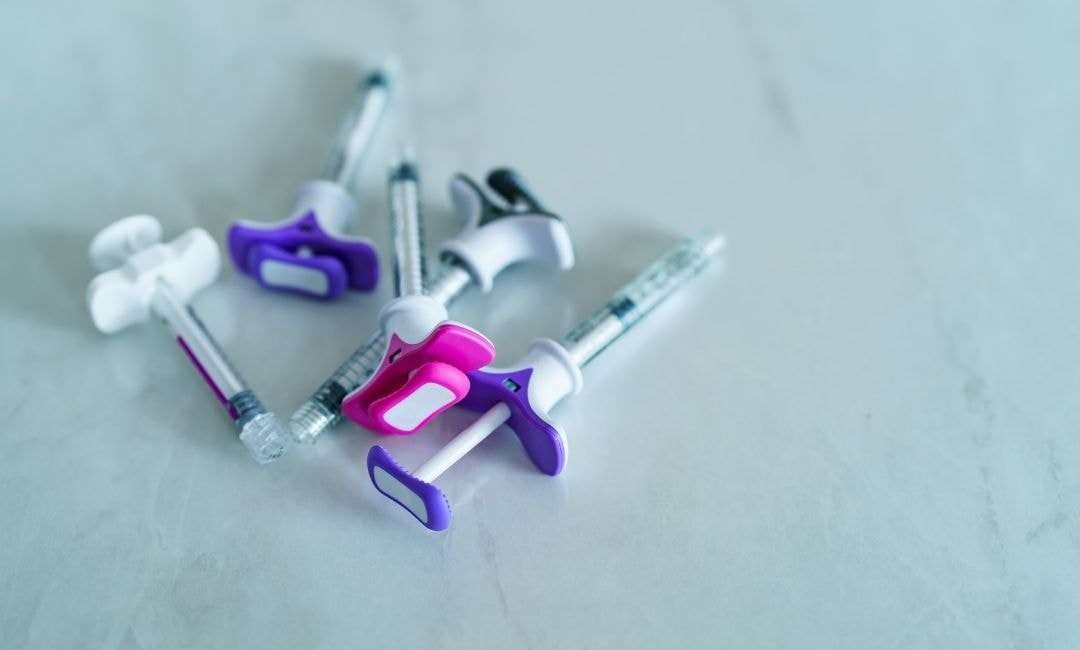
Injectable fillers are a quick and non-surgical way to add subtle volume and definition to the calves. Using hyaluronic acid-based or other biocompatible fillers, this method provides instant results with minimal downtime, making it a go-to choice for those seeking a temporary enhancement.
How it works?
- A dermatologist or cosmetic specialist injects the filler into targeted areas of the calves.
- The filler adds volume, smooths contours, and improves symmetry.
- The procedure typically takes under an hour and requires no anesthesia.
Benefits
- Immediate results with no surgical scars.
- Minimal recovery time—most people return to daily activities the same day.
- Adjustable results since the filler naturally dissolves over time.
Considerations
- Results are temporary, lasting 6–18 months, depending on the filler used.
- Regular touch-ups are needed to maintain the look.
- It may not provide significant volume compared to implants or fat grafting.
Injectable fillers are perfect for those who want to test out calf reduction surgery without committing to a permanent solution.
Non-Surgical Lifts: Targeted Treatments for Subtle Changes
Non-surgical lifts offer a gentle way to enhance your calves without invasive procedures or downtime. These treatments are ideal for individuals seeking refined improvements in calf shape and skin tone, often as a complement to other contouring methods.
How it works?
- Techniques like laser therapy, compression garments, ultrasound, or radiofrequency target the skin and underlying tissues.
- These methods stimulate collagen production, improve skin elasticity, and subtly enhance contour.
- Sessions are typically quick, painless, and performed in-office.
Benefits
- Non-invasive with no recovery period.
- Improves skin texture and firmness for a smoother appearance.
- Works well for mild asymmetry or early signs of skin sagging.
Considerations
- Results are subtle and may require multiple sessions.
- Best suited for individuals with mild concerns rather than significant volume loss.
- Effects are not permanent and may need periodic maintenance.
Non-surgical lifts are a great option if you’re looking to improve the overall appearance of your calves without committing to dramatic changes.
Achieve Your Ideal Calves with Confidence
Calf reduction treatments offer a range of options to help you achieve balanced, sculpted legs that look and feel just right. Whether you’re considering surgery, non-invasive treatments, or temporary enhancements, there’s a solution tailored to your needs.
Here’s a quick recap of the key options:
- Calf implants: Long-lasting volume and symmetry.
- Fat grafting: Natural enhancement with your body’s own fat.
- EmSculpt NEO: Non-surgical muscle hypertrophy toning and fat reduction.
- Injectable fillers: Temporary volume with immediate results.
- Non-surgical lifts: Subtle improvements in skin tone and contour.
At Natura Dermatology & Cosmetics, we specialize in non-surgical calf contouring options like EmSculpt NEO that deliver real results without downtime. Whether you’re after subtle definition or a sleeker silhouette, our team is here to help you feel your best—one step at a time. Let’s work together to create a plan that fits your goals perfectly.
FAQs
What is body contouring for calves?
Body contouring for calves involves treatments or procedures designed to enhance the shape, size, or tone of the lower legs. These methods can address a variety of concerns, from adding volume and symmetry to reducing fat or improving muscle definition. Options include surgical methods like calf implants, minimally invasive techniques like fat grafting, and non-surgical approaches such as EmSculpt NEO or injectable fillers.
Each technique targets specific goals. For instance, calf implants create a more defined look, while EmSculpt NEO strengthens muscles and reduces excess fat. The key is choosing the right option for your unique needs and desired results.
Can you reshape your calves?
Yes, calves can be reshaped through a variety of methods. If you’re looking for dramatic changes, options like implants or fat grafting can significantly alter the size and contour. For more subtle improvements, non-invasive treatments such as EmSculpt NEO can tone and define the muscle, while non-surgical lifts can improve skin texture and elasticity.
Exercise can also play a role in reshaping calves by building muscle tone or reducing fat, though it’s often limited by genetics. Calf contouring procedures provide a targeted way to overcome these natural limitations, allowing for more precise and consistent results.
Do calf slimming injections work?
Calf slimming injections, often using Botox injections generally or similar products, can reduce the size of overly muscular calves by relaxing the muscles. This treatment is popular in regions where a slim leg aesthetic is desired and can create a softer, more tapered appearance without surgery.
The procedure works by temporarily paralyzing targeted muscles, causing them to shrink over time due to reduced activity. Results typically last several months and require periodic maintenance. While effective for reducing bulk, these injections don’t tone or enhance definition, so they may not be ideal for everyone.
What causes an indentation in the calf muscle?
Indentations in the calf muscle can result from several factors, including:
– Injuries: Trauma to the muscle can cause scarring or uneven tissue healing.
– Muscle atrophy: Loss of muscle mass due to inactivity, illness, or aging.
– Genetics: Natural muscle structure can create uneven contours.
– Fat loss: Significant fat reduction in the legs can make underlying muscle indentations more noticeable.
Treatments like fat grafting or fillers can help smooth out indentations by adding volume and improving symmetry. For cases caused by injuries, a consultation with a medical professional can help determine the best corrective approach.


