

You wear makeup to look younger. But what if your daily routine is quietly doing the opposite?
The relationship between makeup and skin aging isn’t as simple as “good” or “bad.” It comes down to specific ingredients, daily habits, and what happens after you take it all off. In this guide, we break down what the science actually says so you can keep wearing makeup without fast-tracking fine lines.
Here’s what we’ll cover:
- How makeup can contribute to premature aging
- Specific ingredients that damage your skin over time
- Whether the foundation is the real culprit
- Daily habits that silently accelerate wrinkles
- Smarter product choices for healthier skin
- A dermatologist-backed skincare routine that protects your skin
At Natura Dermatology & Cosmetics, our providers help patients across Fort Lauderdale build skincare routines that work with their lifestyle, not against it. If you ever want a personalized plan, our team is here to help.
How Makeup Can Contribute to Premature Aging
Makeup itself doesn’t age your skin. Your habits around it do.
The real problem starts when certain ingredients sit on your face for hours, blocking pores and trapping environmental pollutants against your skin. According to dermatologists, this combination increases oxidative stress, which is one of the primary drivers of collagen breakdown and premature wrinkles.
The Three Main Ways It Happens
- Pore congestion. Heavy or oil-based products block oxygen flow to your skin. Over time, this leads to enlarged pores, dullness, and uneven texture that makes you look older than you are.
- Moisture barrier damage. Ingredients like alcohol, synthetic fragrances, and sodium lauryl sulfate strip your skin’s natural oils. The result? Chronic dryness that accelerates the appearance of fine lines.
- Free radical buildup. Throughout the day, pollution and environmental toxins cling to your makeup. Every time you touch up your foundation or powder, you push those pollutants deeper into your pores.
The Overnight Problem
Here’s where the most damage happens. When you sleep with makeup on, your skin can’t complete its natural repair cycle. Collagen production slows. Dead skin cells pile up. And inflammation sets in.
Think of it this way: your skin does its heaviest lifting between 10 PM and 2 AM. If makeup is still sitting on your face during that window, you’re essentially telling your skin to skip its most important shift.
Pro tip:Even on your most exhausting nights, a 60-second cleanse with micellar water is better than nothing. Your future self will thank you.
Ingredients That Quietly Damage Your Skin
Not all makeup is just the same. And the real difference between products that keep your skin healthy and those that age your skin comes down to what’s on the ingredient label.
Here are the makeup ingredients dermatologists flag most often:
| Ingredient | What It Does | Why It’s a Problem |
|---|---|---|
| Parabens (methylparaben, propylparaben) | Preserves shelf life | Can mimic estrogen, linked to collagen degradation and skin aging over time |
| Sodium Lauryl Sulfate (SLS) | Creates foam and lather | Strips natural oils, leading to dry skin, irritated skin, and fine lines |
| Added fragrances | Enhances scent | Common trigger for allergic reactions, especially on sensitive skin and acne-prone skin |
| Talc | Absorbs oil in powders | Can clog pores, trap dirt, and cause breakouts that lead to uneven texture |
| Alcohol Denat | Quick-dry finish in sprays | Dehydrates skin, weakening your moisture barrier and accelerating the aging process |
What to Look for Instead
When choosing makeup, flip the product over. Look for labels that say paraben-free and non-comedogenic. Seek out makeup products with hydrating ingredients like hyaluronic acid, glycerin, or aloe vera. These work with your skin instead of against it.
Pro tip: If a product lists fragrance in its first five ingredients, put it back. The higher an ingredient sits on the list, the more concentrated it is. Your delicate skin doesn’t need that kind of stress.
Is Foundation the Real Culprit?
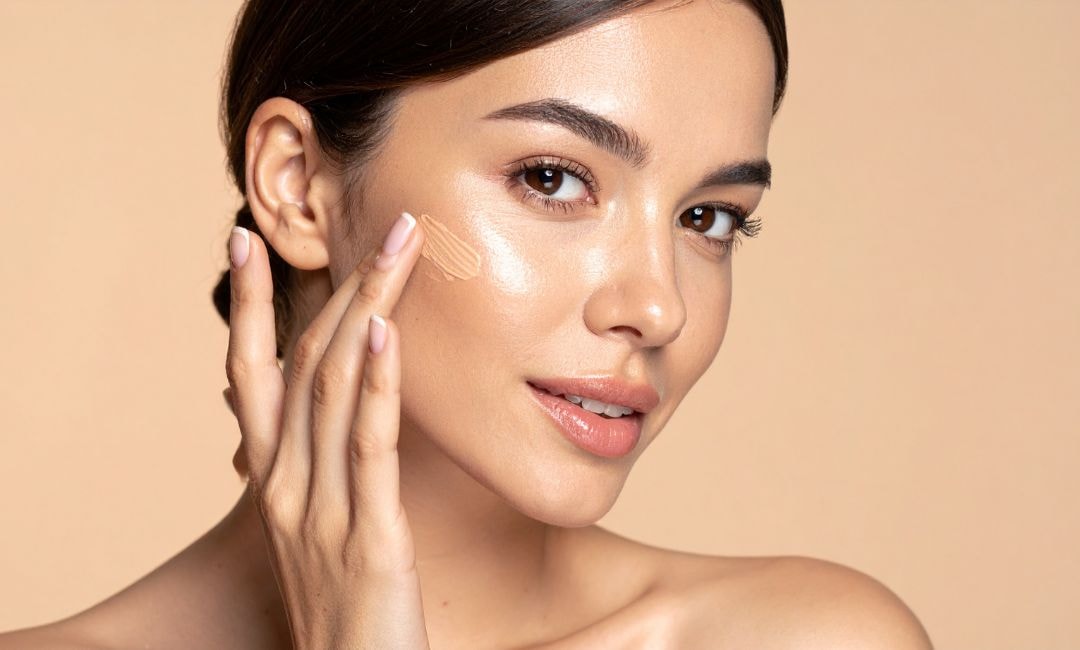
The foundation gets blamed for everything. Clogged pores, breakouts, premature aging. But here’s the short answer: foundation isn’t inherently bad for your skin.
The problem is how you use it and which one you pick.
Where Foundation Goes Wrong
Heavy, oil-based makeup sits on your skin like a mask. It blocks oxygen, traps pollutants, and settles into fine lines and wrinkles throughout the day. Over long periods, this creates a cycle of congestion that gives your face a tired appearance and makes you age faster than you should.
Powder foundations deserve extra scrutiny. They tend to emphasize texture, sink into creases, and dry out aging skin. If you’ve ever looked in the mirror at 3 PM and noticed your makeup sitting in your wrinkles rather than on your skin, powder is likely the issue.
A Smarter Foundation Approach
- Go lightweight. Liquid or serum-based foundations with buildable coverage blend into skin without settling into lines.
- Check the formula. Look for foundations infused with vitamin C, peptides, or SPF. These pull double duty by providing coverage and supporting collagen production.
- Less is more. Apply thin layers and build where needed. Heavy makeup does more harm than good, especially around the eyes, where skin is thinnest.
Daily Habits That Silently Accelerate Wrinkles
You could own the best skincare products on the market. But if your daily habits are working against you, your skin will show it.
Here are the routines that quietly speed up skin aging:
1. Sleeping in Your Makeup
We covered this earlier, but it’s worth repeating. Leaving makeup on overnight blocks skin repair, slows collagen production, and leads to enlarged pores. Even on nights when you’re exhausted, proper cleansing takes less than two minutes. That small effort protects your skin’s health more than any serum ever could.
2. Skipping Sun Protection
UV rays are the single biggest driver of premature aging. They break down collagen and elastin fibers, cause dark circles and hyperpigmentation, and increase your risk of skin cancer. If you only do one thing for anti-aging, make it sunscreen. SPF 30 or higher, broad-spectrum, every single day. Rain or shine.
3. Touching Your Face Constantly
Every time you rest your chin on your hand, rub your eyes, or touch up eye makeup without clean tools, you’re transferring bacteria and oil to your skin. Over time, this causes breakouts, causing inflammation, and speeding up signs of aging around the most delicate skin on your face.
4. Neglecting Sleep and Diet
Poor sleep disrupts your skin’s overnight repair cycle. And a diet loaded with sugar and processed food triggers inflammation that degrades collagen from the inside out. The fix? Eat healthy, aim for 7-9 hours of sleep, and drink enough water to keep your skin hydrated at a cellular level.
5. Using Expired Makeup
Expired makeup harbors bacteria that cause skin problems, breakouts, and irritation. Mascara should be replaced every 3 months. Foundation and concealer last about 12 months. If it smells off or the texture has changed, toss it. Your skin deserves better.
Pro tip:Write the date you opened a product on the bottom with a marker. You’ll never have to guess again.
Smarter Product Choices for Healthier Skin
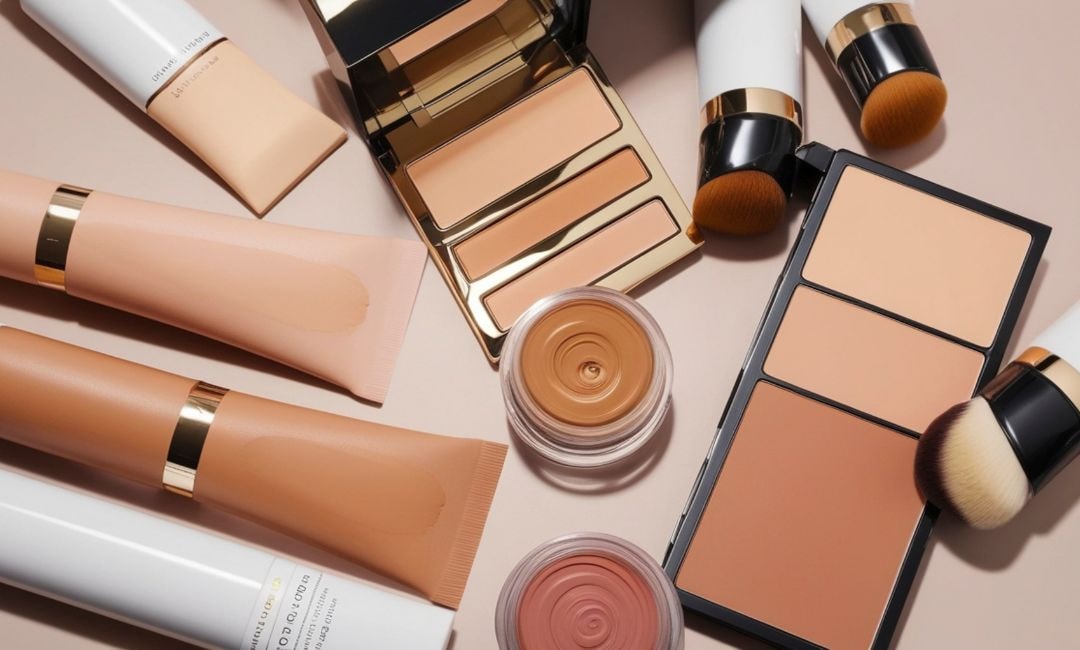
You don’t have to stop wearing makeup to keep your skin youthful. You just need to be more intentional about what you put on your face.
Choose Products That Protect, Not Just Cover
The best makeup products in 2025 blur the line between cosmetics and skincare. Look for foundations, primers, and setting sprays that include:
- Hyaluronic acid for deep hydration that plumps fine lines
- Vitamin C to brighten skin and fight free radical damage from sun exposure
- SPF 30+ for built-in sun protection (though you should still wear a standalone sunscreen underneath)
- Peptides that boost collagen production while you wear your makeup
Know Your Skin Type
This matters more than most people realize. If you have acne-prone skin, oil-free and non-comedogenic formulas prevent breakouts without drying you out. If your skin tends to be dry, cream-based products with natural oils and ceramides will keep it nourished.
For sensitive skin, fragrance-free and hypoallergenic options reduce the risk of allergic reactions and redness. And if you’re dealing with aging skin specifically, prioritize hydrating ingredients over mattifying ones. Matte finishes might reduce shine, but they also highlight every wrinkle.
Give Your Skin Breathing Room
Taking breaks from makeup isn’t a sign of laziness. It’s a strategy. If you wear makeup regularly, consider going bare-faced on weekends or saving full coverage for special occasions. Your skin needs time to regenerate, and giving it that space can slow the negative effects of prolonged use.
A Dermatologist-Backed Skincare Routine
Applying makeup to unprepped skin is like painting over a cracked wall. It might look fine for a moment, but the damage underneath eventually shows through.
A consistent skincare routine is the foundation (pun intended) for youthful skin that actually holds makeup well. Here’s a simple, dermatologist-aligned framework:
Morning Routine
- Gentle cleanser to remove overnight buildup without stripping natural oils
- Vitamin C serum to protect against UV rays, pollution, and free radical damage
- Lightweight moisturizer with hyaluronic acid to lock in hydration
- Broad-spectrum SPF 30+ as your final layer before makeup
Evening Routine
- Double cleanse to remove makeup thoroughly (oil-based cleanser first, then a gentle cleanser)
- Retinol serum (start 2-3 nights per week) to boost collagen production, speed cell turnover, and reduce wrinkles
- Hydrating moisturizer with peptides or ceramides to support overnight skin repair
- Eye cream to target dark circles and fine lines on that delicate skin around your eyes
The Non-Negotiable Rule
Makeup removal is not optional. Ever. It doesn’t matter how tired you are, how late it is, or how minimal your makeup was. Proper cleansing every night is the single most protective habit for your skin’s long-term health. Aging is a natural process, but how fast you age is largely within your control.
At Natura Dermatology & Cosmetics, we help patients across Fort Lauderdale build personalized skincare routines that match their skin type, lifestyle, and goals. Whether you want to address early signs of aging or protect your skin for the years ahead, our team, led by Dr. Will Richardson, can create a plan tailored to you. Because your skin deserves more than guesswork.
Keep Your Skin Youthful With Natura Dermatology
Makeup isn’t the enemy. Bad habits, harsh ingredients, and skipping your skincare routine are. The good news? Now you know exactly what to watch for, what to avoid, and how to build a routine that keeps your skin looking its best for years to come.
Key takeaways:
- Makeup doesn’t directly age your skin, but certain ingredients and habits accelerate the process
- Avoid parabens, sulfates, talc, and added fragrances in your products
- Foundation isn’t the villain if you choose lightweight, hydrating formulas
- Never sleep in your makeup, and prioritize SPF every single day
- Build a consistent skincare routine with vitamin C, hyaluronic acid, and retinol
- Give your skin regular breaks from full coverage
If you want a skincare plan that actually works with your makeup routine, the team at Natura Dermatology & Cosmetics in Fort Lauderdale can help. Our providers build personalized strategies around your skin type, your lifestyle, and your goals so you can wear what you love without compromising your skin’s health.
FAQs
Is it true that makeup ages you?
Not exactly. Makeup itself isn’t the problem. It’s the ingredients, poor removal habits, and prolonged use of heavy formulas that contribute to skin issues over time. Choose clean products and follow a solid skincare routine, and your skin can stay healthy.
Is it better for your skin not to wear makeup?
Going bare-faced gives your skin a chance to breathe and repair. But wearing makeup isn’t inherently harmful. The key is using non-comedogenic, hydrating formulas and always removing makeup before bed. Smart choices matter more than skipping makeup entirely.
Does your skin age better without makeup?
Your skin ages based on genetics, sun exposure, diet, and skincare habits far more than makeup use alone. Wearing quality products can actually boost confidence and even offer sun protection. Focus on a consistent routine, and your skin can maintain a youthful appearance regardless.


