

You wake up to clear skin and dare to hope. Then weeks later, the plaques return. So does psoriasis go away? The straight answer: it can fade for months or years, but it does not vanish for good. Yet.
Inside this guide:
- What remission really means
- Why psoriasis keeps coming back
- Triggers worth avoiding
- Treatments that actually work
- How to extend clear skin
At Natura Dermatology in Fort Lauderdale, we help you reach clear skin and keep it that way. Lasting relief is within reach.
Does Psoriasis Go Away? The Honest Answer
Psoriasis does not go away permanently. It is a chronic autoimmune condition, and as of 2026, there is no cure.
Doctors think of psoriasis as a chronic disease, and as of now, there is no cure, only treatments. Your immune system stays primed to overproduce skin cells, which is why the tendency never fully leaves.
But that is only half the story, and the better half is coming. Psoriasis runs in cycles of flare and calm. Your symptoms can fade so completely that your skin looks clear, a state called remission. Some people stay there for years.
So while the disease persists beneath the surface, the visible psoriasis rash can disappear for long stretches. The goal of modern care is not a one-time fix. It’s keeping you in that clear-skin window as long as possible. If the itch is your main struggle, our guide on whether psoriasis itches covers relief in depth.
Pro tip: Reframe your goal from “cure” to “control.” That mindset shift opens the door to treatments that genuinely work.
Understanding Remission Versus Cure
These two words get mixed up constantly, and the difference matters for your expectations. A cure ends a disease forever. Remission pauses it.
When you reach remission, your skin clears and your symptoms quiet, sometimes entirely. The psoriasis is still there at the genetic and immune level, but it stops showing on your skin. Think of it as a truce, not a victory.
How long does remission last
Timelines vary widely from person to person. The American Academy of Dermatology notes that most periods of remission last between 1 and 12 months. Some lucky patients hold clear skin far longer.
A few realities worth knowing:
- Most remissions are treatment-supported, not drug-free
- A 2022 study found nearly 80% of people who believe their psoriasis is in remission are still getting treatment.
- Spontaneous remission happens, but it’s uncommon
- Relapse is normal, with many patients restarting medication within a year
The takeaway is encouraging. Clear skin is achievable. It usually just requires staying the course rather than stopping the moment you look better.
Why Psoriasis Comes Back

If treatments work so well, why does the rash keep returning? The answer lives in your immune system and your genes. Knowing the mechanism helps you fight back smarter.
An overactive immune system
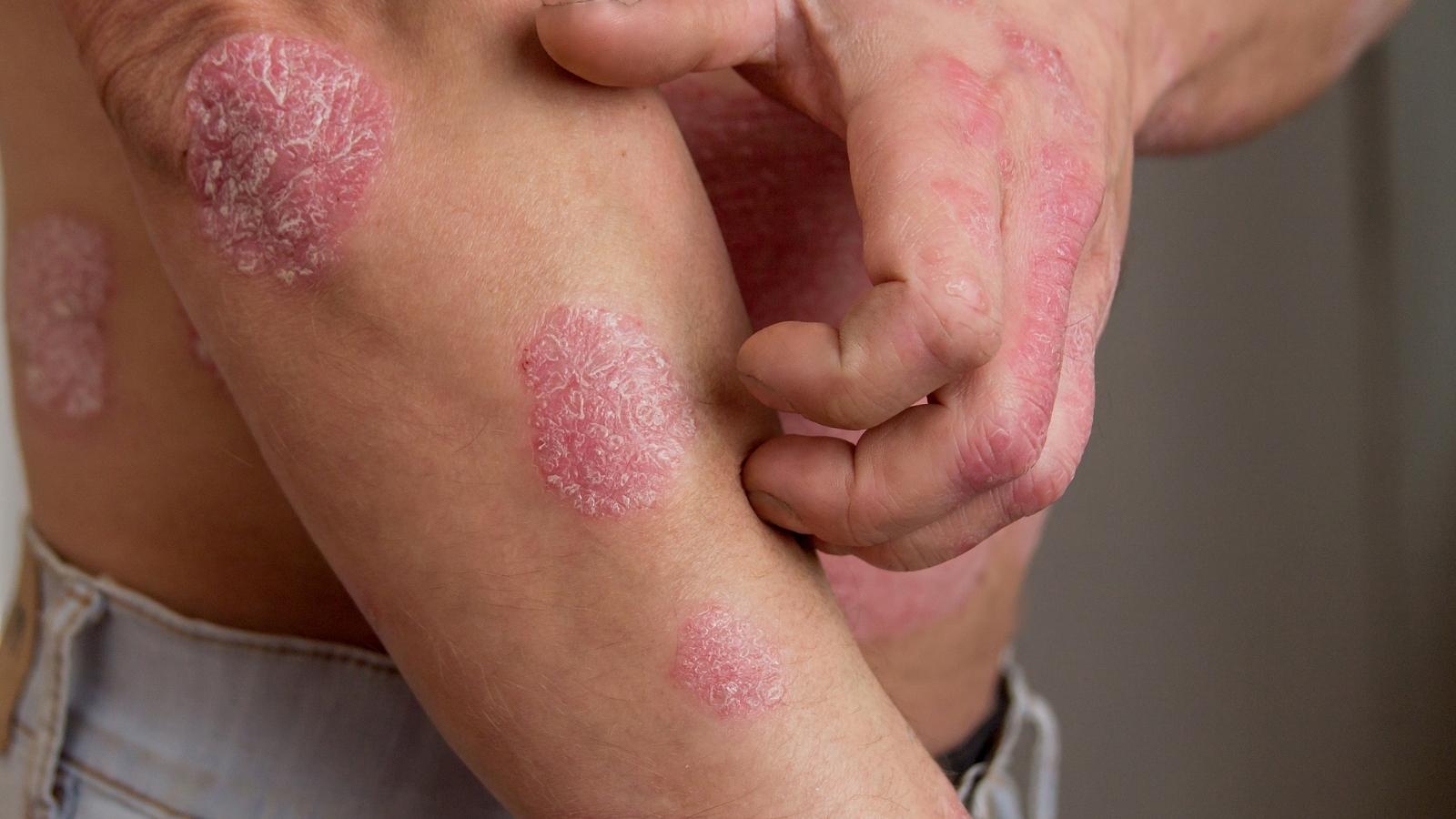
Psoriasis is driven by an overactive immune system that mistakes healthy skin for a threat. The immune system mistakenly attacks healthy skin cells, causing rapid cell turnover that leads to red, scaly patches and inflammation. Because this response is built into your biology, it does not simply switch off.
Genetics set the stage
Your DNA plays a major role. People with psoriasis are genetically prone to overproduce the inflammatory signals that fuel symptoms. Stopping medication does not change your genes, which is why drug-free remission can be hard to predict.
This genetic predisposition also explains why psoriasis travels with other conditions. It raises your risk for psoriatic arthritis, inflammatory bowel disease, and cardiovascular disease, so it’s never just skin deep. Managing it well protects more than your complexion, and our skin autoimmune disease care takes that whole-body view.
Common Psoriasis Triggers to Avoid
Genetics load the gun, but triggers pull it. Identifying and dodging your personal triggers is one of the most powerful ways to lengthen your clear-skin stretches.
The usual suspects
Certain triggers show up again and again across patients:
| Trigger | Why does psoriasis flare |
|---|---|
| Stress | Spikes inflammation and is a top-reported trigger |
| Strep throat | Bacterial infection that often sparks guttate psoriasis |
| Cold weather | Dries skin and worsens plaques |
| Skin injury | Cuts, sunburn, and scratching can seed new lesions |
| Certain medications | Beta blockers and others can provoke flares |
| Obesity | Excess weight raises both risk and severity |
Stress sits near the top for good reason. The mind-skin connection is real, and a stressful stretch can undo weeks of progress. Infections deserve attention too, since strep throat is a classic culprit, especially in young adults. Our piece on whether psoriasis is a microbial infection untangles that link.
Building your trigger map
Everyone’s triggers differ, so keep a simple log. Note flares alongside recent stress, illness, weather, new medications, and diet. Over a few months, patterns emerge. Avoiding the triggers in your environment can lead to fewer outbreaks in the future.
How Psoriasis Is Treated
You cannot cure psoriasis, but today’s treatments are remarkably good at clearing it. The right plan depends on your type of psoriasis and how severe it is. Care usually climbs a ladder from gentle to strong.
Topical treatments
For mild psoriasis, topical therapy is the first stop. Steroid creams calm inflammation and itch, while vitamin D analogs slow skin cell growth. Coal tar and salicylic acid help lift scale. These work best on limited plaques and skin folds.
Phototherapy
When plaques spread wider, light therapy steps in. Phototherapy uses controlled UVB rays to slow the skin cell growth that drives psoriasis. It treats large areas that creams cannot reach efficiently. Our in-office light therapy options bring this proven tool to you.
Systemic and biologic medications
For moderate to severe psoriasis, the heavy hitters arrive. Systemic medications work throughout the body, and oral vitamin A derivatives can help in severe cases. Biologic therapy targets the specific immune cells behind the disease, often delivering dramatic clearing.
Here’s how the tiers stack up:
| Approach | Best for |
|---|---|
| Topicals | Mild, localized plaques |
| Phototherapy | Widespread, moderate disease |
| Systemics | Moderate to severe psoriasis |
| Biologics | Severe or resistant cases |
The clinical goal is concrete. Treatment aims to reduce psoriasis to a complete absence of symptoms and clear skin. Many providers target getting affected skin down to 1 percent of your body or less.
How to Make Remission Last
Reaching clear skin is the first win. Keeping it is the real prize. These habits stack the odds in your favor and help your treatment go further.
Daily skin and lifestyle care
Consistency beats intensity here. Build these into your routine:
- Moisturize relentlessly. Hydrated skin resists flares and cracking. Stubborn dryness may need our dry skin treatments.
- Follow an anti-inflammatory diet. A Mediterranean-style diet rich in vegetables, fish, and olive oil may help calm inflammation.
- Manage stress actively. Sleep, movement, and downtime are not luxuries with psoriasis.
- Avoid your triggers. Your log from earlier becomes your shield.
Stay consistent with treatment
The biggest remission killer is quitting too soon. Current psoriasis medications are very safe, so there is no need to stop taking them once your symptoms clear. Many maintenance plans need only a dose every few months to hold the line.
If you are unsure whether your skin warrants professional care, our guide on when to see a dermatologist lays out the warning signs. Catching a flare early keeps it small.
Is a Cure on the Horizon
Here’s the hopeful note this whole article has been building toward. While no cure exists today, researchers are closing in, and the latest findings are genuinely exciting.
A 2025 trial tested a bold idea: treat psoriasis aggressively and early, then withdraw therapy. By the end of year one, more than 90% of people treated saw a 90% or greater reduction in their disease severity and spread. Scientists now believe there may be a window to change the disease’s course.
One researcher framed it powerfully. There is a window of opportunity to modify the disease, treating patients into remission and potentially weaning them off therapy completely. If that holds up, the future could look very different from lifelong management.
For now, the practical message stands. Modern treatments already deliver clear skin for the vast majority. And the science suggests even better days ahead.
Living Well With Chronic Psoriasis
Psoriasis is a chronic skin condition that causes more than visible plaques. It shapes daily life, so learning to manage symptoms beyond the prescription pad pays off. The right habits work alongside your medical care, not in place of it.
How doctors measure your severity
Before building a plan, your dermatologist gauges how far the disease has spread. Psoriasis severity measures look at how much skin is covered and how the red patches affect your life. A common rule of thumb sorts cases by body surface area:
| Severity | Skin covered |
|---|---|
| Mild | Less than 3% of the body |
| Moderate | 3% to 10% of the body |
| Severe | More than 10% of the body |
Your treatment plan is based on this score plus where the plaques sit. Spots on the face, hands, or nail bed often warrant stronger care, since psoriasis symptoms there hit quality of life hard. Watch your nails too, as pitting or nail separation can signal you may develop psoriatic arthritis, a joint complication of the same disease.
Complementary and lifestyle approaches
Many people pair their medical psoriasis treatment with supportive habits. These do not replace proven therapy, but they can help prevent flares and ease symptoms.
- Eat anti-inflammatory. A Mediterranean diet rich in fish, vegetables, and olive oil may calm inflammation and keep symptoms from getting worse.
- Protect against infection. A respiratory infection or strep can trigger a flare, so guard your health during cold season.
- Soothe, don’t scratch. Scratching can make plaques bleed and worsen the itch, so moisturize and use cold compresses instead.
- Mind your environment. Dry air, harsh soaps, and other environmental factors push psoriasis worse, so adjust your surroundings.
Some patients also explore alternative medicine modalities like aloe, omega-3 supplements, or stress-reduction practices. Evidence varies, so discuss any additions with your provider first. A holistic dermatology approach blends these supportive habits with proven treatment for a fuller plan.
Know when to escalate
Self-care has limits. If your skin keeps flaring despite consistent effort, it’s time for other treatments. Sometimes psoriasis goes into remission and stays quiet even when therapy is tapered, but that is unusual. For moderate psoriasis or persistent plaques, stepping up to phototherapy or systemics often makes the difference.
The National Psoriasis Foundation stresses that no two cases are alike and that a personalized, evolving plan offers the best path to clear skin. Nail changes deserve attention too, which our nail disorder care addresses directly.
Take Control of Psoriasis at Natura
So does psoriasis go away? Not permanently, but you can absolutely clear your skin and stay that way for long stretches. With the right plan, control is realistic, and lasting relief is the goal.
Keep these takeaways close:
- Psoriasis has no cure, but remission can last months or years
- Most remissions are supported by ongoing treatment
- Stress, strep throat, and cold weather are top triggers
- Topicals, phototherapy, and biologics clear skin effectively
- Consistent care plus trigger management extends clear stretches
Ready to stop chasing flares and start managing them? Book a consultation at Natura Dermatology in Fort Lauderdale, where our board-certified team builds a treatment plan around your skin, your triggers, and your goals. Real, lasting relief starts here.
Frequently Asked Questions
Can you ever fully get rid of psoriasis?
No, psoriasis cannot be permanently cured as of 2026. However, treatment can clear your skin and maintain remission, sometimes lasting months or even years.
What triggers psoriasis the most?
Stress is among the most common psoriasis triggers, alongside strep throat, cold weather, skin injury, and certain medications. Avoiding your personal triggers reduces flare-ups.
What organ is linked to psoriasis?
The skin is the visible organ affected, but psoriasis is immune-driven and linked to the heart, raising the risk of cardiovascular disease and joint inflammation.
What are the signs that psoriasis is healing?
Healing signs include plaques flattening, scales thinning, redness fading, and itching easing. Skin may temporarily look pink or discolored before returning to normal.
What are the main types of psoriasis?
The main types include plaque psoriasis, guttate psoriasis, inverse psoriasis, pustular psoriasis with pus-filled bumps, palmoplantar psoriasis, nail psoriasis, and erythrodermic psoriasis. Each varies in appearance and severity.
What happens if psoriasis is left untreated?
Untreated psoriasis can worsen, spread, and raise the risk of psoriatic arthritis and cardiovascular disease. Early, consistent treatment prevents complications and extends clear skin.
How is psoriasis diagnosed?
A dermatologist diagnoses psoriasis by examining your skin rash, scaly patches, and nails. Sometimes a small skin biopsy confirms it and rules out other autoimmune diseases.
What does psoriasis look like on black skin?
On brown or black skin, psoriasis plaques often appear purple, gray, or darker brown rather than red, with silvery scales. This discolored skin can delay diagnosis.
Can psoriasis lead to other health problems?
Yes. Psoriasis is linked to a higher risk of psoriatic arthritis, heart disease, and high blood pressure. Skin inflammation reflects body-wide inflammation, so early treatment matters.


