

Early melanoma can be subtle, and appearance alone cannot determine its stage. Recognizing a new or changing lesion and seeking prompt assessment are important. This guide explains warning signs, diagnosis, treatment and the difference between population survival statistics and an individual prognosis.
Why Prompt Assessment Matters
Melanoma diagnosed while localized generally has a better outlook than disease that has spread. Finding melanoma early can improve the outlook, but it does not ensure a cure, and survival figures should not be interpreted as cure rates. A changing or suspicious lesion deserves assessment even if it is small, painless or does not match every warning sign.
Warning Signs to Watch
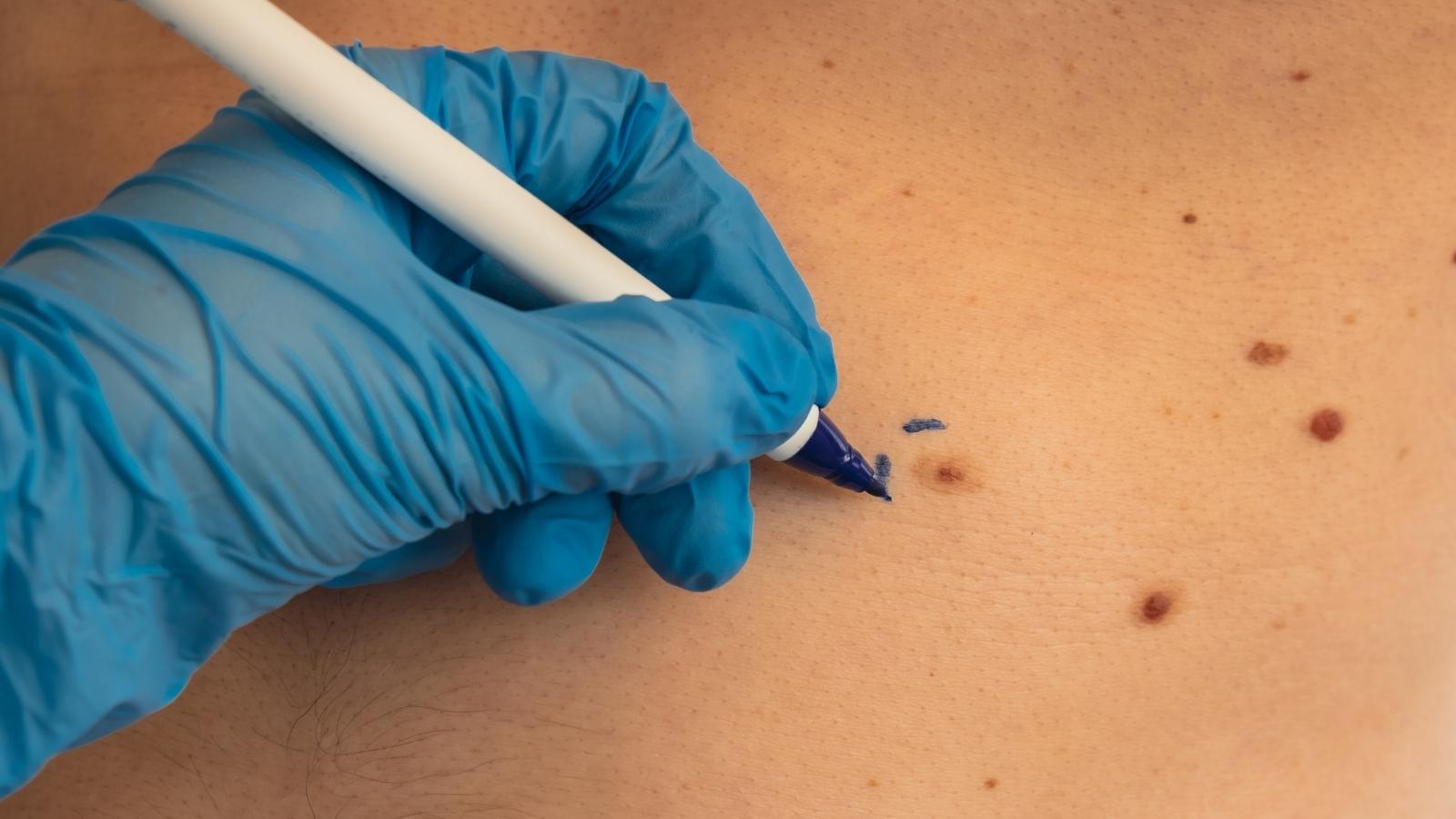
The ABCDE guide describes asymmetry, irregular borders, varied color, diameter and evolution. Melanoma can be smaller than 6 mm and can be pink or otherwise lack dark pigment. Also report a lesion that looks unlike your other spots, grows rapidly, bleeds or fails to heal. Do not wait for it to meet every criterion.
Early Melanoma Stages
Stage 0, or melanoma in situ, is confined to the epidermis. Stages I and II are invasive melanomas without identified regional or distant spread; thickness and ulceration help determine the stage. Exact substaging depends on the clinical and pathological assessment. A visible photograph cannot establish stage.
SEER survival groups such as localized, regional and distant are not interchangeable with AJCC stages 0 through IV. Do not attach a summary-stage statistic to a particular AJCC substage.
How Diagnosis and Staging Work
A clinician examines a suspicious lesion and obtains a biopsy when indicated. If melanoma is identified, a pathologist examines the tissue and evaluates features such as tumor thickness and ulceration. Depending on the findings, additional surgery, sentinel lymph-node evaluation or other testing may be discussed. The full stage may not be known from the initial biopsy alone.
Treatment Depends on the Melanoma
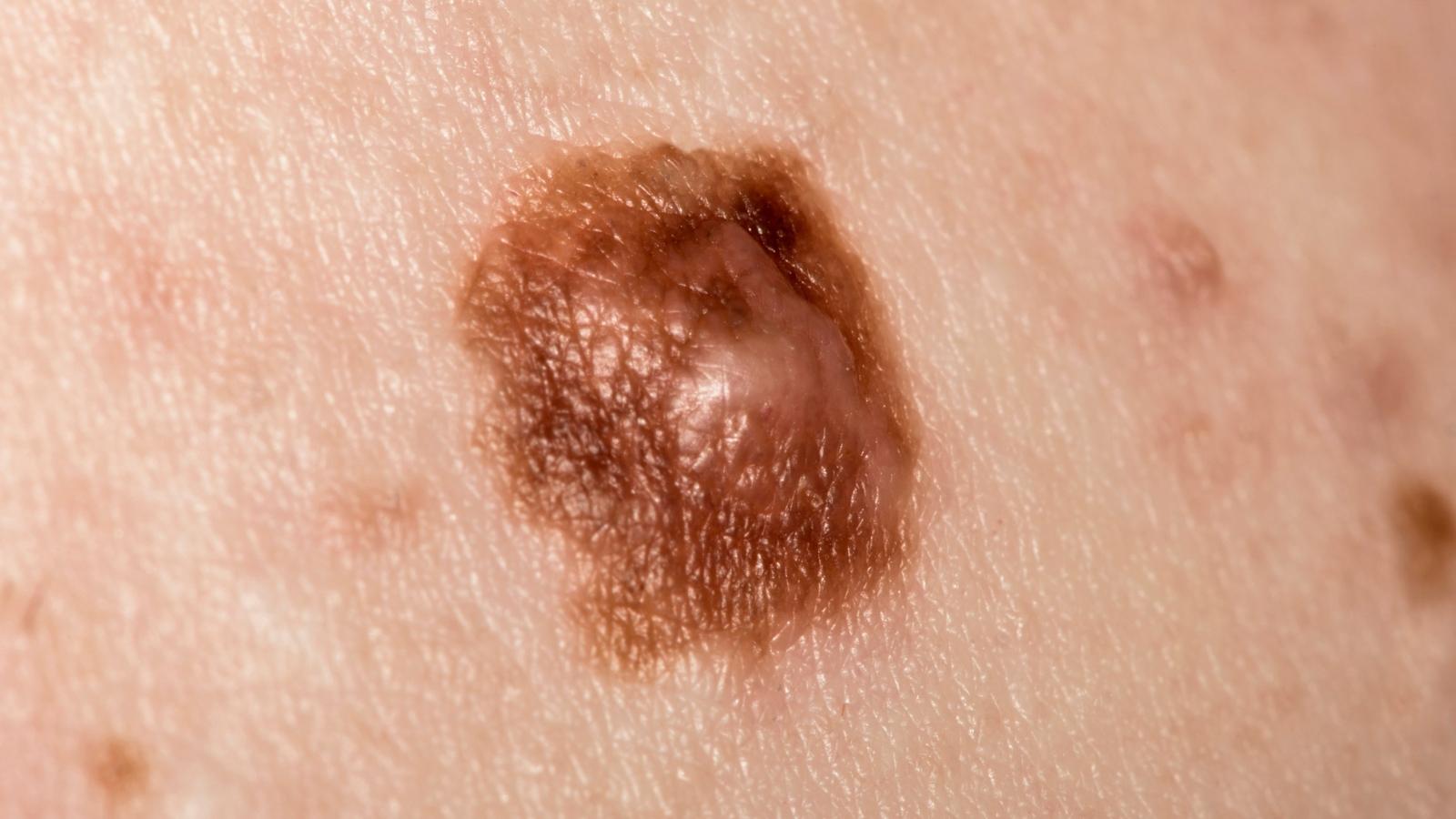
Surgical removal is the usual foundation of care for early melanoma. The required margin and whether sentinel lymph-node biopsy is appropriate depend on the findings. Certain high-risk stage II cases may also be considered for systemic treatment.
Mohs or staged excision may be appropriate for selected melanoma in situ cases, such as lentigo maligna in sensitive locations, with suitable expertise. They are not interchangeable with standard surgery for every invasive melanoma. Nonsurgical treatment is reserved for selected situations and is not an equivalent general substitute for excision.
Follow-Up After Treatment
Follow-up is individualized according to stage, treatment and risk. It may include skin and lymph-node examinations, self-check guidance and selected imaging when indicated. Clear surgical margins do not guarantee that recurrence or a new melanoma cannot occur.
Report new or changing lesions and new persistent symptoms to your team. A recurrence percentage from a selected study should not be used as a universal forecast for early melanoma.
Risk Factors
Risk can be higher with substantial UV exposure, tanning-bed use, many or atypical moles, family or personal melanoma history, and immune suppression. Melanoma can occur in any skin tone and on less sun-exposed sites, including palms, soles and beneath nails. Discuss your individual examination schedule with a dermatologist.
Arrange an Assessment With Natura
Natura can evaluate suspicious skin changes and discuss appropriate next steps. Professional skin exams can help identify suspicious changes, but no screening approach can find every melanoma or eliminate the risk of melanoma-related death. Any spot that is new, evolving, bleeding, or failing to heal should be evaluated without delay.
Frequently Asked Questions
Is early melanoma curable?
Many early melanomas can be successfully treated, but no outcome is guaranteed. Your care team can review what your stage and pathology findings may mean for your individual outlook.
Can you tell the stage by looking?
No. Appearance is not sufficient; pathology and sometimes additional evaluation are needed.
Does five-year survival mean cure?
No. Survival is a statistical outcome over a defined period, not proof that an individual will never have recurrence.
Is Mohs surgery used for all melanomas?
No. It may be considered for selected cases, particularly certain melanomas in situ, while standard excision remains central to melanoma care.
Can melanoma return after treatment?
Yes. The follow-up schedule should be individualized based on your melanoma stage, medical history, and treatment plan.


