

Tired of waking up to a new pimple every morning? Adult acne is a real bummer, but you don’t have to settle for a face full of blemishes.
In this guide, we’ll break down everything you need to know about effective acne treatments for adults, including:
- Why acne happens in the first place
- The different types of acne
- Treatment options that actually work
- Tips for preventing future breakouts
Ready to finally get clear skin? Let’s get started.
At Natura Dermatology & Cosmetics, we understand how frustrating adult acne can be. With our expertise and personalized treatment plans, you can say goodbye to breakouts and hello to healthy, glowing skin.
The Root of the Problem: Acne 101
Let’s get one thing straight: acne isn’t just a teenage problem. Plenty of adults struggle with breakouts, too. So, what causes those pesky pimples to pop up?
It all comes down to your pores. They’re connected to oil glands that produce sebum, a natural oil that keeps your skin moisturized. But sometimes, those pores get clogged with a mix of sebum, dead skin cells, and bacteria. And guess what? That’s when acne shows up.
Consider it like a traffic jam in your pores. Everything gets backed up, leading to inflammation and those lovely red bumps we call acne.
There are a few things that can make you more prone to breakouts:
- Hormones: Fluctuating hormone levels, especially during puberty, pregnancy, and menopause, can trigger excess oil production. Androgens, a type of hormone, are particularly potent stimulators of sebum production.
- Genetics: If your parents had acne, you might be more likely to have it, too. Genetics can influence factors like how sensitive your skin is to hormones and how easily your pores become clogged.
- Certain medications: Some medications, like corticosteroids and lithium, can increase your risk of breakouts. These medications can affect hormone levels or directly irritate the skin.
- Diet: Emerging research suggests that a high-glycemic diet, rich in sugary and processed foods, might play a role in acne development. These foods can cause blood sugar spikes, which can lead to inflammation and increased sebum production. Dairy products, particularly skim milk, may also be a factor for some people.
- Stress: Stress can worsen acne, although it doesn’t directly cause it. When you’re stressed, your body produces more cortisol, a hormone that can increase oil production and inflammation.
- Skin picking: Picking at your pimples can damage your skin and make the acne worse. It can also lead to scarring.
Understanding the underlying causes of acne is the first step toward finding the right treatment.
The Different Types of Acne

Acne comes in different forms, each with its own unique characteristics. Knowing which type of acne you have can help you find the most effective treatment.
Here’s a breakdown of the common culprits:
- Whiteheads: These are small, closed bumps under the skin’s surface. They form when a pore gets clogged with sebum and dead skin cells, creating a white or flesh-colored bump.
- Blackheads: Similar to whiteheads, but the pore is open, allowing the trapped sebum to oxidize and turn black. Despite their appearance, they’re not caused by dirt.
- Papules: These are small, red, inflamed bumps that can be tender to the touch. They form when the walls of the hair follicles break down due to inflammation.
- Pustules: These are what we typically think of as “pimples.” They’re similar to papules but have a white or yellow pus-filled center.
- Nodules: Larger, solid, painful lumps that develop deep within the skin. They can be quite inflamed and take longer to heal.
- Cysts: These are the most severe type of acne lesion. They’re large, pus-filled lumps that can be painful and lead to scarring.
Sometimes, you might have a mix of different types of acne. That’s where a visit to a dermatologist can be super helpful. They can assess your skin and recommend the best course of action.
Effective Acne Treatments
Ready for the good news? There are tons of effective treatments out there for acne vulgaris. The key is finding the right one for your specific situation.
Here’s a rundown of some popular options:
- Topical treatments: These are creams or gels that you apply directly to your skin. They often contain ingredients like benzoyl peroxide, salicylic acid, or retinoids.
- Benzoyl peroxide kills bacteria and helps unclog pores.
- Salicylic acid exfoliates the skin and prevents pores from clogging.
- Retinoids, derived from vitamin A, help increase skin cell turnover and reduce inflammation.
- Oral medications: If topical treatments aren’t cutting it, your doctor might prescribe topical acne medications like topical antibiotics or hormonal therapies.
- Antibiotics help reduce inflammation and kill bacteria.
- Hormonal therapies, like birth control pills, can help regulate hormones and reduce breakouts in women.
- In-office procedures: Dermatologists offer a range of in-office procedures that can significantly improve severe to mild acne.
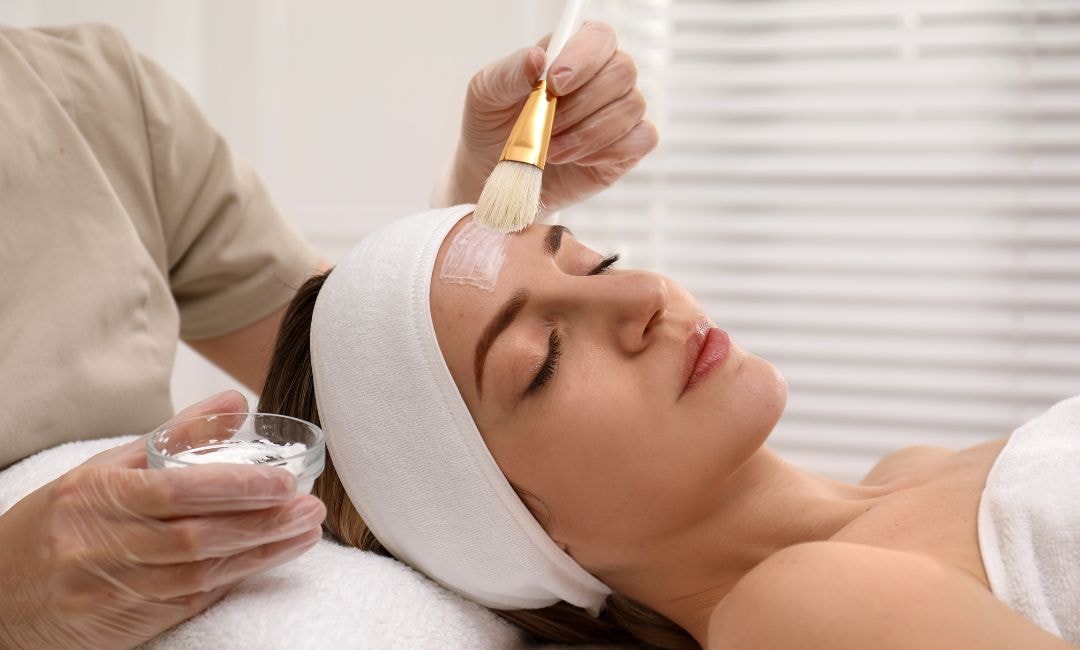
- Chemical peels use acids to exfoliate the skin and reduce the appearance of acne scars.
- Microdermabrasion involves using a special device to exfoliate the skin and improve texture.
- Light therapy uses different wavelengths of light to target acne-causing bacteria and reduce inflammation.
- Extractions involve manually removing blackheads and whiteheads.
Don’t get overwhelmed by all the options. A dermatologist can help you navigate the choices and create a personalized treatment plan.
At Natura Dermatology & Cosmetics, we offer a comprehensive range of acne treatments, including topical and oral medications, chemical peels, microdermabrasion, and light therapy. Our experienced dermatologists will work with you to find the most effective solutions for your unique needs.
Outsmarting Acne: Prevention Tips
Dealing with moderate or severe acne can be a pain, literally. But the good news is there are things you can do to prevent future breakouts and keep your skin clear.
Here are some pro tips to keep those pesky pimples at bay:
- Keep it clean: Wash your face twice a day with a gentle cleanser. Avoid harsh scrubs, which can cause skin irritation and make acne worse.
- Hands off: Resist the urge to pick or squeeze your pimples. It can lead to scarring and even more breakouts.
- Makeup matters: Choose oil-free, non-comedogenic makeup products that won’t clog your pores. And always remove your makeup before bed.
- Watch what you put on your hair: Hair products like gels and sprays can sometimes clog pores along your hairline. Look for oil-free options and avoid getting them on your face.
- Clean your phone: Your phone screen can harbor bacteria that can contribute to breakouts. Wipe it down regularly with an antibacterial wipe.
- Shower after sweating: Sweat can trap bacteria and irritate your skin. So, hop in the shower after a workout or any activity that makes you sweat.
- Chill out: Stress can worsen acne. Find healthy ways to manage stress, like exercise, yoga, or meditation.
- Hydrate: Drink plenty of water to keep your skin hydrated and healthy.
- Eat a balanced diet: While the link between diet and acne is still being researched, some studies suggest that a low-glycemic diet and limiting dairy may be helpful.
Remember, consistency is key when it comes to preventing breakouts. Make these tips a part of your daily routine, and you’ll be well on your way to clearer skin.
Ready to Love Your Skin Again?
Acne can be a real confidence killer, but it doesn’t have to rule your life. With the right knowledge and treatment, you can achieve clear, healthy skin. Everyone’s skin is different, so finding what works for you might take some time.
Here are the key takeaways to keep in mind:
- Acne is caused by clogged pores, and several factors can contribute to breakouts.
- There are different types of acne, each requiring specific treatment approaches.
- Effective treatments include topical medications, oral medications, and in-office procedures.
- Preventing future breakouts involves a combination of good skincare habits and lifestyle choices.
At Natura Dermatology & Cosmetics, we’re passionate about helping you feel confident in your own skin. Our team of experienced dermatologists can provide personalized guidance and support on your journey to clear skin.
Don’t hesitate to reach out and schedule a consultation today. We’re here to help you achieve the healthy, radiant skin you deserve.
FAQs
What is the most effective treatment for adult acne?
The most effective method to treat acne varies depending on the type and severity of your acne, as well as your individual skin type and needs. However, some of the most common and effective treatments for this acne-prone skin include:
– Topical retinoids: These are often the first line of treatment for mild to moderate acne. They help unclog pores, reduce inflammation, and prevent new breakouts.
– Benzoyl peroxide: This powerful ingredient kills bacteria, reduces inflammation, and helps shed dead skin cells.
– Oral medications: For more severe or persistent acne, your dermatologist may prescribe oral antibiotics or hormonal therapies.
– In-office procedures: Procedures like chemical peels, microdermabrasion, and light therapy can be very effective in treating acne and improving skin texture.
It’s crucial to consult with a dermatologist to determine the most effective treatment plan for your specific needs.
How do you get rid of adult acne fast?
We all want a quick fix for acne, but unfortunately, there’s no magic bullet. Acne treatments take time to work, and consistency is key. However, here are a few tips to help speed up the process:
– Use the right products: Choose cleansers, moisturizers, and makeup that are oil-free and non-comedogenic (won’t clog pores).
– Don’t pick or squeeze: This can worsen inflammation and lead to scarring.
– Ice it: Applying ice to inflamed pimples can help reduce redness and swelling.
– Spot treat: Use a spot treatment containing benzoyl peroxide or salicylic acid to target individual pimples.
For faster and more noticeable results, consider professional treatments like chemical peels or light therapy at a dermatologist’s office.
What do most dermatologists recommend for acne?
Dermatologists often recommend a combination of treatments tailored to your specific needs. This may include:
– A good skincare routine: Cleansing, exfoliating, and moisturizing with the right products are essential.
– Topical medications: Retinoids, benzoyl peroxide, and salicylic acid are commonly prescribed.
– Oral medications: Antibiotics or hormonal therapies may be necessary for moderate to severe acne.
– Lifestyle changes: Managing stress, eating a healthy diet, and avoiding certain triggers can help improve acne.
A dermatologist can assess your skin and recommend the most effective treatment plan for you.
How do you tell if acne is hormonal or bacterial?
It can be tricky to tell if your acne is primarily hormonal or bacterial, as both factors often play a role. However, here are some clues:
– Hormonal acne: Often appears around the jawline, chin, and lower face. It tends to flare up during certain times of the month, like before or during your period.
– Bacterial acne: Can appear anywhere on the face or body. It’s often characterized by inflamed pimples with pus-filled centers.
A dermatologist can help determine the underlying causes of your acne and recommend the best course of treatment.
What is a natural treatment for cystic acne in adults?
Cystic acne is a severe form of acne that can be challenging to treat. While natural remedies may offer some relief, it’s essential to consult with a dermatologist for effective management. Some natural options that may help include:
– Tea tree oil: Known for its antibacterial and anti-inflammatory properties.
– Honey: Has antibacterial and wound-healing properties.
– Aloe vera: Can soothe inflammation and redness.
Keep in mind that natural remedies may not be enough to clear cystic acne completely. A dermatologist can provide stronger treatments and guidance on managing this condition.
How do you clear up bacterial acne?
Bacterial acne is caused by an overgrowth of Propionibacterium acnes (P. acnes) bacteria in the pores. To clear it up, focus on:
– Keeping your skin clean: Wash your face twice a day with a gentle cleanser.
– Using antibacterial ingredients: Look for products containing benzoyl peroxide or salicylic acid.
– Avoiding pore-clogging products: Choose oil-free, non-comedogenic makeup and skincare products.
If over-the-counter treatments aren’t enough, a dermatologist can prescribe stronger topical or oral medications.
How do you get rid of hormonal acne naturally?
Hormonal acne can be tricky, but some natural approaches may help:
– Manage stress: Stress can worsen hormonal imbalances. Practice stress-reducing techniques like yoga or meditation.
– Balance your blood sugar: Avoid sugary and processed foods, and opt for a balanced diet rich in fruits, vegetables, and whole grains.
– Consider spearmint tea: Some studies suggest that spearmint tea may help regulate hormones and reduce acne.
While these natural methods may offer some relief, it’s important to consult with a dermatologist for personalized advice and treatment options.
Does hormonal acne ever go away?
The good news is that hormonal acne often improves with age and hormonal fluctuations. However, it may persist or recur for some individuals.
If you’re struggling with hormonal acne, a dermatologist can help you manage breakouts and achieve clearer skin. They may recommend hormonal therapies like birth control pills or spironolactone to regulate hormones and reduce acne.


