

You’ve probably noticed it without being able to name it. Your complexion looks a little different than it did ten years ago. Maybe duller. Maybe uneven. Maybe dotted with spots that weren’t there before. After age 30, your body loses about 10-20% of its melanin-producing cells per decade. That shift changes everything about how your skin looks and responds to the world around it.
This guide breaks down exactly why it happens, what’s normal, and what you can actually do to keep your complexion even and healthy as the years go by.
Here’s what we’ll cover:
- The science behind age-related skin color changes
- Why dark spots, dullness, and uneven tone develop
- How sun damage accelerates pigmentation issues
- The role melanin plays as you age
- Treatments that actually work for restoring even skin tone
- When to see a dermatologist about pigmentation concerns
At Natura Dermatology & Cosmetics, our team specializes in treating pigmentation concerns with advanced laser treatments, customized skincare plans, and expert guidance. If your complexion has been changing and you want answers, our Fort Lauderdale providers are ready to help.
The Science Behind Age-Related Skin Color Changes
Your skin color isn’t static. It’s the product of a complex system that shifts gradually over your entire lifetime. Understanding how does skin color change with age starts with knowing what creates your complexion in the first place.
Skin color comes from four main pigments working together: brown melanin, red oxygenated hemoglobin flowing through blood vessels, blue deoxygenated hemoglobin, and yellow carotenoids. When you’re young, these pigments distribute evenly across your skin, creating a consistent overall skin tone.
As the aging process kicks in, that balance starts to break down at the cellular level.
What Changes Decade by Decade
- After age 30: pigment-containing cells (melanocytes) begin declining by roughly 10-20% per decade. Your skin gradually becomes paler and more translucent.
- In your 40s: Cell turnover slows significantly. Dead skin cells linger longer on the surface, creating a dull, sallow appearance.
- In your 50s and beyond: Collagen production drops, blood vessels become more fragile, and the remaining melanocytes become larger and more erratic. This creates the mottled, uneven look that’s characteristic of aging skin.
These are age-dependent changes that happen to everyone. But how quickly and how visibly they occur depends heavily on genetics, sun exposure, and lifestyle.
Why Dark Spots, Dullness, and Uneven Tone Develop
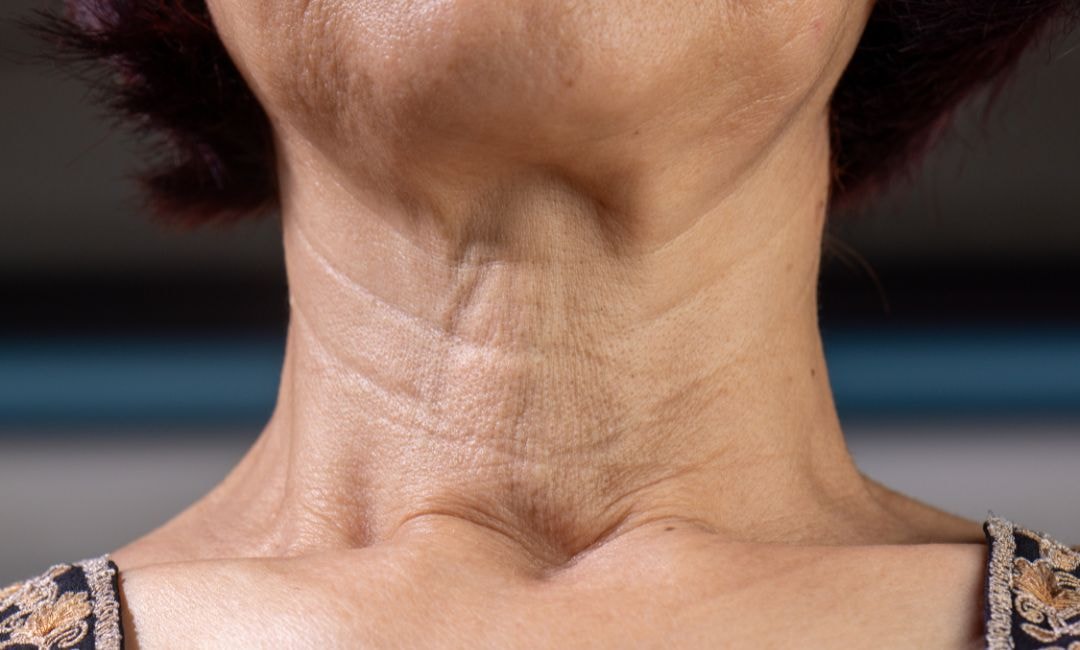
If you’ve noticed your complexion looking blotchy, tired, or spotted, you’re seeing the visible results of several overlapping processes happening beneath the surface.
Dark Spots and Age Spots
Age spots (sometimes called liver spots or sun spots) are flat, brown patches that develop when melanocytes cluster together instead of distributing evenly. They’re typically found on sun exposed areas like the face, hands, forearms, and chest. Despite their name, they aren’t caused by aging alone. They’re the result of years of cumulative UV exposure triggering irregular melanin production.
Dullness and Sallowness
Young skin turns over roughly every 28 days, constantly shedding old cells and revealing fresh ones underneath. By your 50s, that cycle slows to 40-50 days. The buildup of dead cells on the surface scatters light instead of reflecting it, which is why aging skin often looks flat and lifeless rather than glowing.
A decrease in blood vessels near the skin’s surface compounds this. Less blood flow means fewer nutrients reaching the epidermis and a noticeable loss of that healthy, rosy warmth.
Uneven Skin Tone
Uneven skin tone develops because melanocytes don’t age uniformly. Some areas produce too much pigment (hyperpigmentation), while others lose melanocytes entirely, creating lighter patches (hypopigmentation). The result is a combination of darker and depigmented spots that makes skin color look inconsistent.
Hormonal changes, particularly during menopause, can make this worse. Shifts in estrogen levels disrupt melanin production, leading to conditions like melasma and increased pigmentation in areas that were previously even.
How Sun Damage Accelerates Pigmentation Issues
If chronological aging is the slow burn, sun damage is the accelerant. UV radiation is responsible for the vast majority of visible skin pigmentation changes, and the effects are cumulative, meaning every unprotected minute in the sun adds up over a lifetime.
What UV Does to Your Skin
When UV exposure hits your skin, melanocytes ramp up melanin production as a defense mechanism. That’s what a tan actually is: your skin’s stress response. Over time, this repeated stimulation causes melanocytes to behave erratically, producing pigment unevenly and creating the dark spots, scaly patches, and blotchy tone associated with photoaged skin.
But the damage goes deeper than color.
UV radiation causes direct DNA damage to skin cells. It breaks down collagen and elastin fibers, the proteins responsible for your skin’s firmness and elasticity. This is why sun-damaged skin doesn’t just look different. It also develops fine wrinkles and coarse wrinkles faster than skin that’s been protected.
The Numbers Tell the Story
Research estimates that up to 90% of visible skin aging is caused by sun damage rather than chronological aging. That’s a staggering figure, and it explains why someone who has diligently worn sun protection can look dramatically younger than someone the same age who hasn’t.
Prevention Is Still Your Best Tool
The single most effective thing you can do is apply sunscreen daily. A broad-spectrum sunscreen with SPF 30 or higher protects against both UVA rays (which cause aging) and UVB rays (which cause burning). This isn’t just advice for beach days. UV radiation penetrates clouds and windows year-round.
Pro tip:Reapply every two hours when outdoors. And don’t forget the backs of your hands, neck, and ears. These are some of the first areas to show age-related skin discoloration.
The Role Melanin Plays as You Age
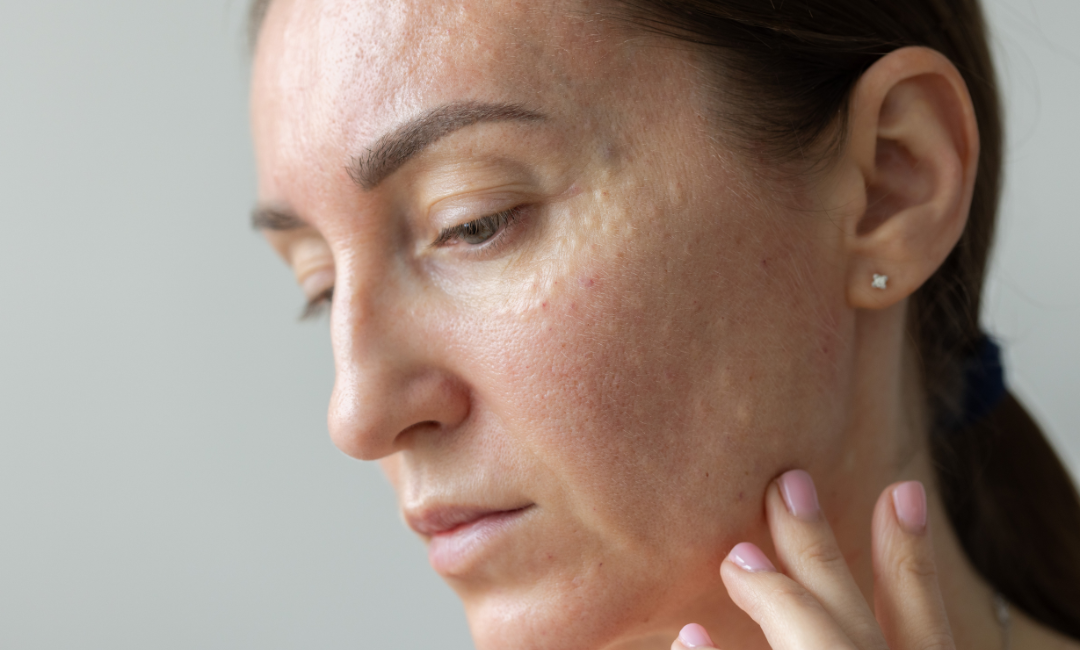
Melanin doesn’t just determine your skin color. It’s your body’s built-in UV shield. Understanding how it changes with age explains a lot about why skin problems like dark spots, uneven tone, and increased cancer risk develop over time.
How Melanin Works in Younger Skin
In young skin, melanocytes produce melanin at a steady, even rate and distribute it uniformly to surrounding skin cells called keratinocytes. This creates a consistent complexion and provides a baseline level of sun protection. People with dark skin have more active melanocytes producing greater quantities of melanin, which is why darker complexions tend to show fewer visible signs of sun damage early on.
What Happens as You Age
After 30, the number of functional melanocytes starts declining. But the ones that remain often become larger and more irregularly active. This creates a paradox: your skin has fewer melanocytes overall (making it paler and more vulnerable), but the remaining cells can become overactive in certain spots, leading to concentrated areas of increased pigmentation.
This is why older adults often experience both pale, translucent skin and dark spots at the same time. The system that once kept everything balanced is now working unevenly.
Why This Matters for Skin Cancer Risk
Less melanin means less natural UV protection. Combined with accumulated sun damage from earlier decades, this creates a significantly higher risk of skin cancer as you age. The decline in melanocytes also corresponds with a drop in Langerhans cells, which are immune cells in the skin that help detect and fight abnormal growths. This reduced immune surveillance is one reason why skin cancer becomes more common in people over 50.
Treatments That Restore Even Skin Tone
The good news? Most pigmentation issues are treatable. Some respond well to at-home care. Others need professional intervention. The key is matching the right treatment to the right condition.
At-Home Options
| Treatment | What It Does | Best For |
|---|---|---|
| Vitamin C serum | Brightens skin, inhibits excess melanin production | Early dullness, mild unevenness |
| Retinoids (retinol) | Speeds cell turnover, fades dark spots over time | Age spots, rough texture |
| Niacinamide | Reduces pigment transfer to skin cells | Uneven skin tone, blotchiness |
| AHA exfoliants (glycolic acid) | Removes dead surface cells, reveals fresh skin | Dullness, surface discoloration |
| Broad spectrum SPF 30+ | Prevents further UV damage | Everyone. Every day. |
Pro tip:Consistency matters more than potency. A gentle retinol used nightly for three months will outperform a strong product used sporadically.
Professional Treatments
For deeper or more stubborn pigmentation disorders, dermatologists can offer relief with targeted procedures:
- Chemical peels. These remove the outer layer of damaged skin, reducing the appearance of age spots, sun spots, and uneven pigmentation. Strength varies from mild to deep depending on the severity.
- Laser therapy. Lasers target pigmented cells directly, breaking up concentrated melanin deposits. This is one of the most effective options for stubborn dark spots and widespread skin discoloration.
- Microneedling. Creates controlled micro-injuries that stimulate collagen production and cell turnover, improving both texture and tone.
- Prescription lightening agents. Products containing hydroquinone or tranexamic acid can address specific pigmentation issues under medical supervision.
At Natura Dermatology & Cosmetics, we offer advanced laser treatments and customized skincare plans designed to target the specific skin condition affecting your complexion. Whether you’re dealing with age spots, melasma, or general dullness, Dr. Will Richardson and our team create treatment protocols based on your skin type, concerns, and goals.
When to See a Dermatologist
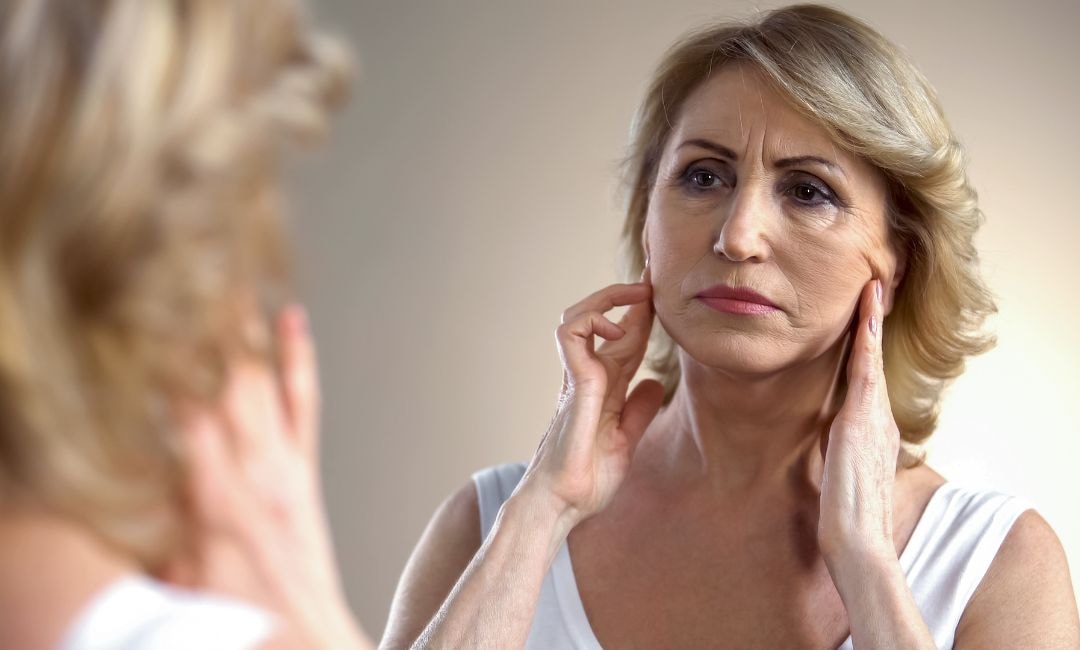
Some skin color changes are a natural part of aging. Others signal something that needs professional attention. Knowing the difference can save you from unnecessary worry and catch potential problems early.
Normal Changes to Expect
These are typical age-dependent changes that don’t usually require medical treatment:
- Gradual lightening or paling of the overall complexion
- Mild unevenness in skin tone
- A few flat, light brown age spots on sun-exposed areas
- Slightly more noticeable blood vessels near the surface
- Skin that appears thinner and more translucent
When to Get Checked
Book an appointment if you notice:
- A dark spot that’s growing, changing shape, or has irregular borders (this could indicate skin cancer)
- New patches of darker pigmentation appearing rapidly
- Skin discoloration accompanied by other symptoms like itching, scaling, or bleeding
- Pigmentation changes that coincide with new medications or medical conditions
- Scaly patches that are rough to the touch and won’t go away (possible actinic keratosis)
- Skin tags or growths that appear suddenly alongside color changes
What a Dermatologist Will Do
A dermatologist can evaluate your skin using specialized tools, determine whether your pigmentation issues are cosmetic or medical, and recommend the right treatment. For some conditions, that might be a topical cream. For others, it could be laser therapy or a biopsy to rule out skin disorders.
Environmental factors, poor nutrition, health conditions, and other factors all play a role in how your skin ages. A dermatologist considers the full picture, not just what’s visible on the surface.
At Natura Dermatology, our mission includes helping you maintain beautiful skin at every stage of life. Whether it’s a routine skin check or a concern about a specific spot, our Fort Lauderdale team provides thorough evaluations and personalized care. Because understanding your skin changes is the first step to staying ahead of them.
Love Your Skin at Every Age With Natura Dermatology
Skin color changes with age are inevitable. But how dramatically they show up is largely within your control. The right combination of daily protection, targeted treatments, and professional guidance keeps your complexion even, healthy, and resilient for decades.
Key takeaways:
- Melanocyte counts drop 10-20% per decade after age 30, gradually changing your complexion
- Dark spots, dullness, and uneven tone result from slowed cell turnover and erratic melanin production
- Up to 90% of visible skin aging comes from sun damage, not chronological aging
- Daily broad spectrum sunscreen is the single most effective anti-aging tool you can use
- Vitamin C, retinoids, and niacinamide address mild pigmentation issues at home
- Laser therapy, chemical peels, and professional treatments tackle stubborn discoloration
Whether you’re noticing your first age spots or dealing with years of accumulated sun damage, Natura Dermatology & Cosmetics can help you get your complexion back on track. Our Fort Lauderdale team offers laser treatments, customized skincare protocols, and full skin evaluations tailored to your unique concerns.
FAQs
At what age does your skin color change?
Most people start noticing subtle changes after 30, when melanocyte counts begin declining. By your 40s and 50s, the effects become more visible as cell turnover slows to a slower rate, dark spots appear, and overall tone becomes less uniform. Sun exposure and genetics influence the timeline significantly.
Why am I getting darker as I get older?
Darkening usually comes from accumulated sun damage rather than aging itself. Years of UV exposure cause melanocytes to overproduce pigment in certain areas, which is how you develop age spots and patches of hyperpigmentation. Hormonal shifts during menopause are also common causes of skin darkening in specific zones.
What skin color ages faster?
Lighter complexions tend to show visible signs of aging sooner because they have less melanin to protect against UV damage. This leads to earlier wrinkles, sun spots, and elasticity loss. Darker skin tones produce less sweat gland decline and maintain more natural UV protection, but are more prone to uneven pigmentation and hyperpigmentation with age.
Can skin undertone change as you age?
Yes. As melanin production declines at a slower rate in some areas than others, and blood vessels become less visible beneath thinning skin, your undertone can shift. Warm undertones may cool down over time. These are natural causes of skin tone evolution driven by reduced pigment, hormonal changes, and cumulative environmental exposure.


