

A treated eczema flare-up can clear in one to three weeks. An untreated one? It can drag on for months or cycle back before you even recover from the last round. The difference between a short episode and a chronic nightmare often comes down to how quickly you respond and whether you actually know your triggers.
This article covers everything you need to take control:
- How long typical flare-ups last (with and without treatment)
- The most common triggers that extend or worsen episodes
- Types of eczema and how each one behaves differently
- Proven treatments from over-the-counter to prescription-strength
- Daily habits and routines that reduce flare frequency
- When it’s time to see a dermatologist
At Natura Dermatology & Cosmetics, our Fort Lauderdale team helps patients manage stubborn skin conditions with personalized treatment plans. If eczema has been running the show, we can help you take it back.
How Long Typical Eczema Flares Last
With proper treatment, most eczema flare-ups clear within one to three weeks. Without treatment, a flare can drag on for months or cycle into a chronic phase that never fully resolves. The difference between a quick episode and a drawn-out battle comes down to how fast you respond and how well you manage the underlying triggers.
Eczema moves through three stages, each with a different timeline and intensity:
| Stage | What Happens | Typical Duration |
|---|---|---|
| Acute phase | Red, swollen, intensely itchy skin. May blister or weep fluid | Days to a few weeks |
| Subacute | Skin begins healing but remains dry, flaky, and sensitive. Can easily relapse | A few weeks |
| Chronic phase | Thickened, leathery patches from repeated scratching. Persistent dryness and discoloration | Weeks to months (or longer) |
Several factors determine where you fall on this spectrum. The type of eczema you have, your triggers, how quickly you start treatment, and whether you’ve broken the itch scratch cycle all play a role.
Here’s what the research tells us:
- Mild flares treated early with moisturizers and low-strength topical steroids often resolve within a few weeks
- Moderate flares typically need two to four weeks of consistent care
- Severe eczema or untreated flares can persist for months, especially if you’re still exposed to whatever triggered them
- Childhood eczema tends to improve with age. According to the Cleveland Clinic, roughly half of children with atopicdermatitis see significant improvement by their teens
Track your flares in a journal. Note when they start, what you were exposed to, how long they last, and what helped. This data becomes invaluable when working with a medical professional to build a treatment plan that actually works.
Common Triggers That Make Eczema Worse

You can’t manage what you don’t understand. And with eczema, understanding your eczematriggers is half the battle.
Commoneczematriggers fall into a few broad categories. Some are environmental, some are behavioral, and some come from inside your own body. The tricky part is that triggers vary from person to person. What sends one person into a full-blown flare might not affect someone else at all.
Environmental Triggers
- Dry air and low humidity. Cold winter months strip moisture from the air and from your skin barrier, making flares almost inevitable without extra moisturizing
- Dust mites. These microscopic creatures live in bedding, carpets, and upholstered furniture. For people with sensitiveskin, they’re one of the most persistent eczema triggers
- Pet dander. Proteins in animal skin flakes, saliva, and urine can triggerallergicreactions that make symptomsworse
- Pollen and mold. Seasonal allergens don’t just affect your sinuses. They can triggerflare–ups on your skin, too
Behavioral and Product Triggers
- Hot showers. They feel great in the moment, but hot water strips natural oils and damages your skin’sbarrierfunction. Switch to lukewarmwater and keep showers under 10 minutes
- Harsh soaps and fragranced products. Anything with sulfates, alcohol, or synthetic fragrance can act as an irritating substance that triggers skin inflammation
- Certain fabrics. Wool and polyester trap heat and irritate skin. Stick with naturalmaterials like cotton and bamboo
Internal Triggers
- Emotional stress. Your immunesystem responds to psychological stress the same way it responds to physical threats. That response can kick off or intensify eczema flares
- Food allergies. Dairy, eggs, soy, wheat, and nuts are the most common triggers in people whose eczema is linked to allergic reactions. Not everyone with eczema has foodallergies, but it’s worth investigating if your flares seem random
- Hormonal shifts. Pregnancy, menstruation, and menopause can all make symptoms fluctuate unpredictably
- Illness or infection. When your immune system is fighting something else, your skin often pays the price
If you can’t pinpoint your triggers on your own, ask your dermatologist about patch testing. It identifies specific allergens and substances your skin reacts to, which takes the guesswork out of avoiding triggers.
Types of Eczema and How Each Behaves
Eczema isn’t one condition. It’s a group of skin diseases that share similar symptoms but behave very differently. Understanding which type you’re dealing with changes everything about how you treat it.
The National Eczema Association recognizes seven types. Here are the ones you’re most likely to encounter:
Atopic Dermatitis
This is the most common form, and it’s what most people mean when they say “eczema.” Atopic dermatitis typically begins in childhood, often before age five. It’s closely linked to a family history of asthma, hay fever, and allergies.
Atopic dermatitis symptoms include red, itchy patches on the face, elbows, knees, and hands. For many, it’s a lifelong condition with periods of remission and flare-ups. Some children outgrow it entirely. Others carry it into adulthood, where it may shift to different areas of the body.
Contact Dermatitis
Contact dermatitis develops when your skin touches something it reacts to. That could be a chemical, a metal like nickel, a fragrance, or even latex. The rash shows up right where the irritating substance made contact and usually clears once you remove the trigger.
There are two subtypes: irritant (caused by direct damage) and allergic (caused by an immune response). Both produce irritated skin, but the allergic version tends to spread more and take longer to resolve.
Dyshidrotic Eczema
Dyshidrotic eczema is characterized by small, intensely itchy blisters on the palms, fingers, and soles of the feet. It often comes with a burning sensation and can crack or peel as the blisters heal. Triggers include stress, sweat, and exposure to metals like nickel and cobalt.
This type tends to be episodic. Some people experience a single flare and never deal with it again. Others have regular flare-ups that recur seasonally.
Nummular Eczema
Nummular eczema produces distinctive coin-shaped patches of inflamedskin that can ooze, crust, and itch intensely. It’s more common in men over 50 and women in their teens through early adulthood.
Unlike atopic dermatitis, nummular eczema is often triggered by extremely dryskin, insect bites, or scrapes. It responds well to treatment but requires consistent moisturizing to prevent recurrence.
The Overlap Problem
Here’s what makes managing eczema complicated: you can have more than one type at the same time. Someone with atopic dermatitis might also develop contact dermatitis from a new skincare product or dyshidrotic eczema during a stressful period. Each type requires a slightly different approach, which is why a proper diagnosis from a dermatologist matters so much.
Eczema falls under the broader category of musculoskeletal and skin diseases, and its relationship with your immune system means it often coexists with other inflammatory conditions. If you’re dealing with frequent flare-ups across different areas of your body, it’s worth having a specialist evaluate the full picture.
Proven Treatments From OTC to Prescription
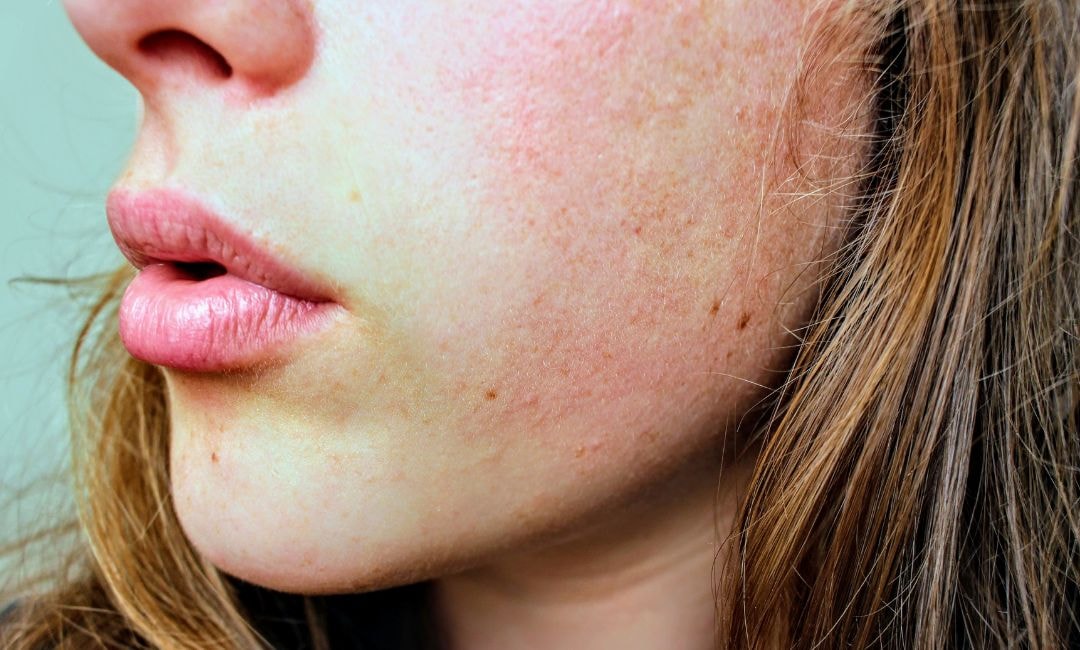
There’s no cure for eczema. But the right treatment plan can keep flares shorter, less intense, and further apart. The approach depends on severity, and it typically works in layers.
Over-the-Counter Options
For mild eczema, these are your first line of defense:
- Moisturizers. Thick, fragrance-free creams and ointments (like ceramide-based products) repair the skin barrier and lock in hydration. Apply within three minutes of bathing for best results
- Hydrocortisone cream (1%). A low-potency topical steroid available without a prescription. It helps reduce itching and calm mild skin inflammation for short periods
- Colloidal oatmeal products. Oatmeal-based cleansers and lotions soothe irritated skin and reduce the urge to scratch
- Oral antihistamines. Over-the-counter options like cetirizine or diphenhydramine can help control itching, especially at night when it tends to be worst
Prescription Topicals
When OTC products aren’t enough, a dermatologist can prescribe stronger options:
- Prescription topical steroids. These range from moderate to super-potent and are used in short bursts to bring active flares under control. The potency your doctor prescribes depends on where the eczema is (face and neck get milder formulas) and how severe it is
- Topical calcineurin inhibitors (tacrolimus, pimecrolimus). These nonsteroidal options suppress the immune response without the thinning risks of long-term steroid use. They’re especially useful for sensitive skin areas like the face and eyelids
- Topical PDE4 inhibitors (crisaborole). A newer option for mild to moderate eczema that reduces inflammation without steroids
- Topical JAK inhibitors (ruxolitinib). The newest class of topical treatment, designed for short-term or intermittent use in mild to moderate cases
Systemic and Advanced Therapies
For severe eczema that doesn’t respond to topicals:
- Biologics (dupilumab, tralokinumab). Injected medications that target specific immune pathways driving eczema. These have been game-changers for patients with chronic eczema who’ve tried everything else
- Oral JAK inhibitors (abrocitinib, upadacitinib). Pills that work quickly to suppress the inflammatory signals causing flares
- Phototherapy. Controlled UV light exposure, administered by a dermatologist, can reduce skin inflammation and extend remission periods
- Short-course oral steroids. Reserved for the most severe, widespread flares as a temporary bridge while longer-term therapies take effect
The Right Approach
The best treatment plan layers multiple strategies. Topical steroids handle active flares. Moisturizers maintain the skin barrier between episodes. And trigger avoidance reduces the frequency of new flares altogether.
Daily Habits That Reduce Flare Frequency
Medication treats the flare. Habits prevent eczema flare–ups from showing up in the first place. The most effective eczema management happens between episodes, not during them.
Build a Consistent Moisturizing Routine
This is the single most important thing you can do. Dry skin is the gateway to every eczema flare. Moisturize at least twice daily and always within minutes of bathing while skin is still slightly damp.
Choose thick, fragrance-free ointments or creams over lotions. Products with ceramides, glycerin, or hyaluronic acid help restore your skin’s barrier function and keep moisture locked in.
Bathe Smarter
- Use lukewarm water, never hot. Hot showers feel good, but strip oils your skin desperately needs
- Keep baths and showers to 10 minutes max
- Use gentle, soap-free cleansers. Harsh soaps and anything with fragrance or sulfates will damage sensitive skin
- Pat dry with a soft towel. Never rub
Dress for Your Skin
Wear soft, breathable clothing made from natural materials like cotton. Avoid wool directly against the skin. Wash new clothes before wearing them to remove residual chemicals.
Manage Stress Before It Manages You
Emotional stress is one of the most overlooked triggers. When stress levels spike, your body releases cortisol, which disrupts your immune system and can trigger flare-ups. Regular exercise, adequate sleep, and even basic breathing exercises can make a measurable difference.
The connection between eczema and mental health runs both ways. Chronic flares increase anxiety and depression, which in turn make symptoms worse. Breaking that cycle is essential.
Control Your Environment
- Run a humidifier during dry months to combat low humidity and dry air
- Wash bedding weekly in hot water to reduce dust mites
- Keep indoor temperatures cool and consistent
- Minimize exposure to pet dander by keeping pets out of the bedroom
Watch What You Eat
If food allergies are part of your trigger profile, work with your doctor to identify the culprits. Common offenders include dairy, eggs, soy, wheat, and tree nuts. An elimination diet supervised by a healthcare provider is the most reliable way to find out which foods affect you.
Pro tip:You don’t have to overhaul your entire life at once. Pick two or three of these habits and build consistency. Small, sustained changes do more for long-term eczema management than dramatic short-term efforts.
When to See a Dermatologist

You can manage a lot on your own. But eczema affects more than just your skin, and there are clear moments when professional help isn’t optional. It’s necessary.
Book an Appointment If:
- Your flare hasn’t improved after several weeks of consistent OTC treatment
- Eczema symptoms are spreading to new areas of your body
- You notice signs of infection: increased redness, warmth, pus, crusting, or fever
- Itching is severe enough to disrupt your sleep or daily routine
- You’re developing thick, leathery patches from repeated scratching (a sign of chronic eczema)
- You’re experiencing adult-onset eczema for the first time and aren’t sure what you’re dealing with
- Your skin condition is affecting your confidence, relationships, or mental health
- You’ve been relying on over-the-counter steroids regularly without medical guidance
What Happens at Your Visit
A dermatologist will examine your skin, review your history, and may recommend patch testing to identify specific allergens. They’ll determine which type of eczema you have (since there are seven distinct types) and build a treatment plan tailored to your situation.
For severe eczema or frequent flare-ups, they may discuss prescription options, including biologics, phototherapy, or systemic medications that target the root cause of your skin inflammation rather than just managing symptoms on the surface.
Why Waiting Makes It Harder
Untreated eczema doesn’t just stay the same. It tends to get worse. The itch scratch cycle damages the skin barrier further, making skin more vulnerable to triggers, infection, and more eczema. The longer you wait, the harder it becomes to bring things under control.
People with a family history of eczema, asthma, or allergies are at higher risk for persistent or recurring flares. If that’s you, establishing a relationship with a dermatologist early gives you a plan before things escalate.
At Natura Dermatology & Cosmetics, our team specializes in diagnosing and managing all forms of eczema, from mild seasonal flares to stubborn chronic cases. Whether you need help identifying your triggers, building a sustainable skincare routine, or exploring advanced treatment options, our Fort Lauderdale providers can help you preventflare–ups and get your skin back to a place you feel good about.
Take Control of Eczema With Natura Dermatology
Eczema doesn’t have to run your life. The right combination of trigger awareness, consistent skincare, and professional guidance can dramatically reduce how often flares show up and how long they stick around. Understanding your skin is the first step toward managing it.
Key takeaways:
- Treated flare-ups typically clear within one to three weeks, while untreated ones can persist for months
- Eczema moves through three stages: acute, subacute, and chronic, each requiring a different approach
- Common triggers include dry air, dust mites, harsh soaps, emotional stress, and food allergies
- There are seven distinct types of eczema, and identifying yours is critical for effective treatment
- A layered approach combining moisturizers, topical treatments, and lifestyle changes delivers the best results
- Seeing a dermatologist early prevents the itch-scratch cycle from compounding the problem
Whether you’re dealing with your first flare or managing a lifelong pattern, Natura Dermatology & Cosmetics can help you build a plan that fits your skin and your life. Our Fort Lauderdale team offers personalized eczema evaluations, advanced treatment options, and the ongoing support you need to keep flares in check.
FAQs
Will eczema go away on its own?
In most cases, no. Eczema is a chronic condition that requires active management. Some children outgrow symptoms of eczema by their teens, but adult eczema rarely resolves without treatment. Left untreated, flares tend to worsen and become harder to control over time.
How can I tell if eczema is healing?
Healing eczema shifts from red, weepy, and swollen to dry, flaky, and less itchy. The skin may look discolored or feel rough during this phase. That’s normal. As long as the symptoms of eczema are trending milder and the area is no longer oozing or intensely itchy, your skin is recovering.
What is the 3-minute rule for eczema?
The 3-minute rule means applying moisturizer within three minutes of bathing, while your skin is still slightly damp. This locks in hydration before it evaporates and helps restore the skin barrier. It’s one of the simplest, most effective habits for reducing eczema flare frequency.
Does eczema ever fully go away?
For some people, yes. Childhood eczema often improves significantly or disappears entirely by adulthood. But for many, eczema is a chronic condition with recurring flares throughout life. The goal shifts from “curing” it to minimizing symptoms of eczema and extending the calm periods between episodes.
What heals eczema the fastest?
Early intervention makes the biggest difference. A combination of consistent moisturizing, appropriate topical steroids, and avoiding your known triggers speeds recovery. Eliminating certain foods that cause allergic reactions can also help if dietary sensitivities are part of your trigger profile. The faster you act when symptoms of eczema appear, the shorter the flare.


