

Ten units? Twenty? Fifty? If the unit talk makes your head spin, you’re in good company. So how many units of Botox do I need? The honest answer depends on your face, but reliable ranges exist to guide you.
Inside this guide:
- Typical units for each facial area
- What changes your personal dose
- Common multi-area treatment plans
- Why the right count matters
- How your injector decides
At Natura Dermatology in Fort Lauderdale, we never guess. Our injectors map your dose to your anatomy and goals at every visit.
How Many Units of Botox Do I Need
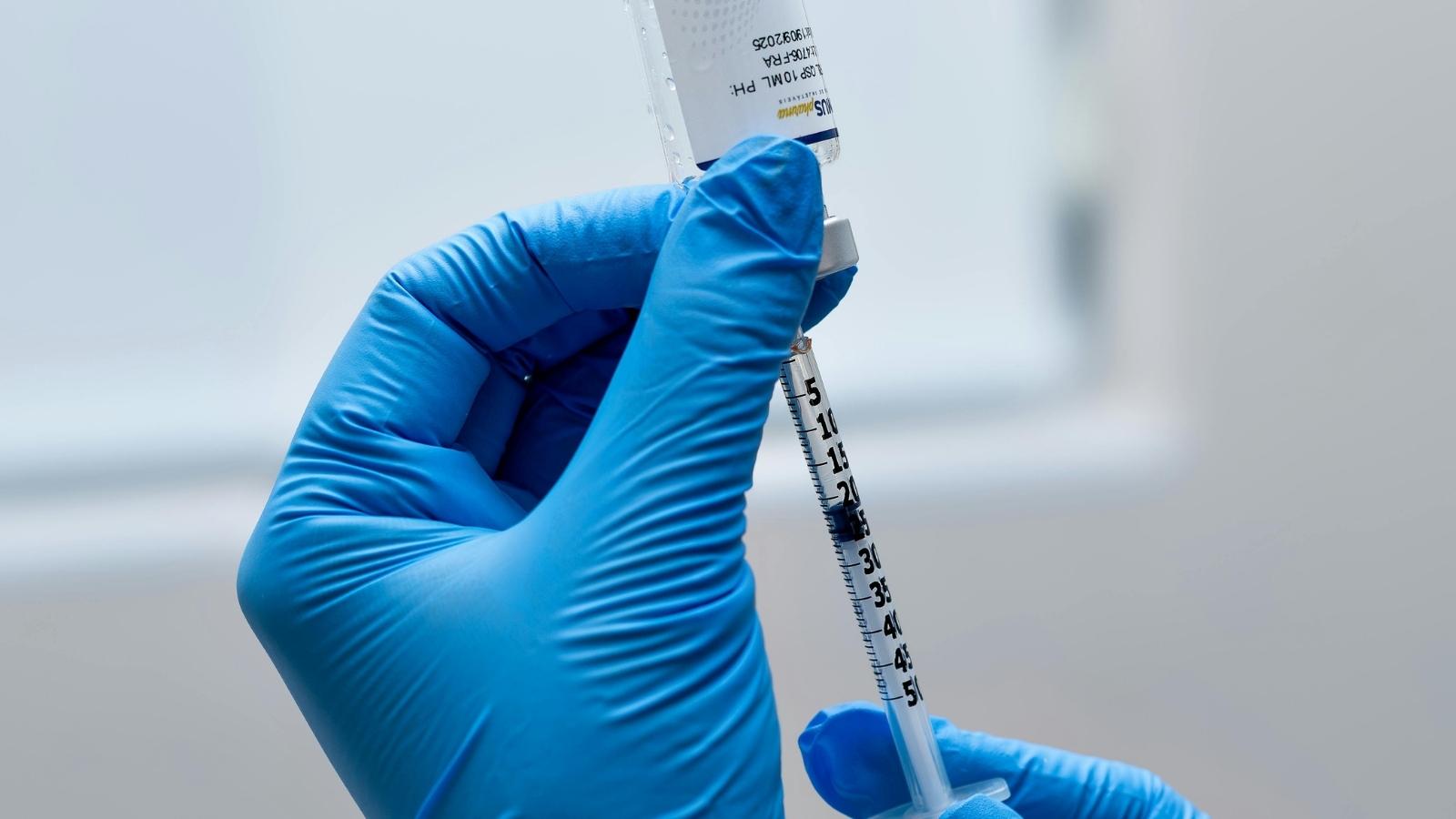
Botox is measured in units, where each unit is a precise dose of botulinum toxin. A standard vial holds 100 units, and your injector draws from it based on the area being treated.
So what’s the headline number? One literature review found that, on average, 20 units of Botox is the ideal quantity for most single cosmetic concerns. That’s a useful anchor, but it’s only a starting point.
The real answer shifts with your facial anatomy, your muscle strength, and the look you want. Stronger muscles drink up more product. A subtle refresh needs fewer units than a dramatic smoothing. Your number is personal.
Here’s the reassuring part. The ranges are well established, so you can walk into your consultation already knowing roughly what to expect. No mystery math, no sticker shock.
Pro tip: Units measure product, not price-gouging. Per-unit pricing actually protects you, since you only pay for what your face requires.
Botox Units By Facial Area
This is the heart of the matter. Different facial areas need different unit ranges because the muscles vary in size, strength, and how much they move. Here’s the full breakdown most patients want bookmarked.
| Treatment area | Typical units |
|---|---|
| Horizontal forehead lines | 10 to 30 units |
| Frown lines (the “11s”) | 15 to 25 units |
| Crow’s feet | 5 to 15 units per side |
| Bunny lines (nose) | 5 to 10 units per side |
| Brow lift | 15 to 30 units |
| Lip flip | 4 to 6 units |
| Smile lines (mouth corners) | 3 to 6 units per side |
| Masseter (jawline) | 20 to 30 units per side |
| Neck bands | 25 to 50 units |
Upper face: forehead and frown lines
The upper face is where most people start. For the forehead, providers typically administer 10 to 30 units, and you may need more on your first time. The frown lines between your brows, the glabellar lines, run deeper. These vertical lines usually take 15 to 25 units to soften.
There’s a smart pairing worth knowing. Treating forehead lines and frown lines together helps prevent the brow from sagging. That combo often lands around 40 units total for balanced, natural facial expressions.
Eye area: crow’s feet and bunny lines
The muscles around your eyes are smaller, so they require fewer units. Crow’s feet at the outer corners of the eyes take about 5 to 15 units per side, for a total of 10 to 30 units. Because the skin here is thin and delicate, your injector often uses a finer needle for precise placement, which our under-eye and crow’s feet guide covers in detail.
Bunny lines, the diagonal nose wrinkles that show when you scrunch up, are a smaller job. Just 5 to 10 units per side relaxes these nose wrinkles for a smoother look.
Lower face: lip flip, chin, and smile lines
Small, detailed areas use the fewest units. A lip flip takes just 4 to 6 units placed above the upper lip border, flipping the lip outward for a fuller pout. Chin smoothing and mouth-corner lifts fall in a similar low range, often 2 to 10 units. If chin dimpling bugs you, our chin Botox guide breaks down the specifics.
One honest note on smile lines. Botox can lift downturned mouth corners with a few units per side, but for the folds running from nose to mouth, dermal fillers are usually the better tool, since those need volume rather than muscle relaxation.
Jawline and neck
These are the big spenders. The masseter muscles along the jawline usually need 15 to 30 units per side for slimming and contouring. Strong cases can climb toward 50 units per side. Neck bands take 30 to 50 units depending on their depth.
What Determines Your Unit Count

Why might you need 15 units when your friend needed 30 for the very same area? Several factors shape the final number. Knowing them helps you understand your quote instead of just nodding along.
Muscle strength and gender
Muscle strength is the biggest driver. Stronger, more active muscles take more product to relax. This is why gender plays a role. Men usually require more units than women to get the same results, because their facial muscles tend to be stronger.
Wrinkle depth and skin elasticity
Deeper, more etched lines need more units than fine ones. As skin elasticity fades with age, dynamic wrinkles can set deeper, nudging your count up. A 30-year-old treating early lines often needs less than someone smoothing years of expression.
Previous treatments and your goals
Here’s a perk for the consistent crowd. Patients with previous Botox treatments may require fewer units, since the muscles are already partially weakened. Your aesthetic goals matter too. A soft, natural result calls for a lighter hand, while fuller smoothing takes more.
The variables at a glance:
- Muscle strength: Stronger muscles, more units
- Gender: Men typically need higher doses
- Wrinkle depth: Deeper lines, more units
- Treatment history: Regulars often need fewer units
- Desired result: Subtle versus dramatic shifts in the count
That less-is-more philosophy has a name. Our baby Botox approach uses the smallest effective dose for a refreshed look that still moves naturally.
Common Multi-Area Treatment Plans
Most people don’t treat just one spot. They combine areas for a balanced result. Here’s how the units add up for popular plans, so you can budget realistically.
The most requested combination is the full upper face: forehead lines, frown lines, and crow’s feet together. Botox Cosmetic actually built a proven protocol around it. Its FDA-tested dosing uses 20 units in the frown lines, 24 units in the crow’s feet, and 20 units in the forehead, for 64 units across three areas.
That said, your plan flexes to your face. A lighter version of the same three zones might run closer to 40 to 50 units. Here’s a quick reference for common combinations:
| Treatment plan | Approximate total |
|---|---|
| Frown lines + forehead | ~40 units |
| Full upper face (3 areas) | 50 to 64 units |
| Masseter, both sides | 40 to 60 units |
Since units drive your bill, more areas mean a higher total cost. Our Botox cost guide shows exactly how unit counts translate to dollars, so there are no surprises at checkout.
Why Your Unit Count Matters
Getting the number right is not just about cost. It’s the difference between a refreshed look and a result you regret. The unit count directly shapes how your face moves and looks.
Too few versus too many
The balance is delicate. If too few units are used, the treatment may not produce the desired smoothing effect, while too many units can make facial movement appear overly restricted. Under-dose and your lines barely budge. Over-dose and you risk that frozen, “done” look nobody wants.
Natural movement is the goal
The aim of skilled dosing is balanced relaxation, not total paralysis. The goal is balanced muscle relaxation that maintains natural facial expressions while reducing wrinkles. You should still be able to show emotion. A good result whispers; it does not announce itself.
This is also why first-timers often get a conservative dose. Your injector can always add a few units at your two-week check, but they cannot take product back. Starting lighter is the safer play, and it pairs well with understanding how long Botox takes to work before judging your result.
How Your Injector Plans Dosing
The chart gives you ranges. Your injector gives you the exact number. That precision comes from a proper consultation, which is where the real treatment planning happens.
During your visit, your provider studies your face in motion. They watch how your muscles fire when you frown, raise your brows, and smile. An expert injector maps out the injection sites before administering Botox to ensure even distribution and natural-looking results.
They also factor in everything we covered: your muscle strength, wrinkle depth, treatment history, and the look you’re after. Then they recommend a dose tailored to you, not a generic number pulled from a chart. This is the step that separates a great result from a gamble.
That’s exactly why your choice of provider matters so much. An experienced, credentialed injector knows how to read facial anatomy and balance the dose across targeted muscles. You can meet the credentialed Natura provider team to see what that expertise looks like.
Come to your consultation ready to talk about goals. Bring photos if you have a look in mind. The more your injector understands what you want, the better they can dial in your perfect unit count.
Get Your Perfect Botox Dose at Natura
So how many units of Botox do I need? Plan on roughly 10 to 30 units per area, with your exact number shaped by your muscles, your goals, and your history.
Keep these takeaways handy:
- Most single areas take 10 to 30 units
- Forehead, frown lines, and crow’s feet are the most common zones
- Men with stronger muscles need more units
- A full upper-face plan often runs 50 to 64 units
- The right count smooths lines while keeping natural movement
Ready to find your exact number? Book your consultation at Natura Dermatology in Fort Lauderdale, where our board-certified injectors map a dose to your face, not a one-size-fits-all chart. Already a regular? Time your visits with our guide on how often to get Botox to keep your results smooth.
Frequently Asked Questions
What will 40 units of Botox cover?
Forty units typically cover two areas, such as forehead lines plus frown lines, or a full set of crow’s feet. Your injector confirms the split during consultation.
What is the 4-hour rule for Botox?
The 4-hour rule means staying upright for four hours after your Botox injections. This keeps the product in your targeted muscles for natural-looking results.
Is 100 units of Botox a lot for a full face?
Yes, 100 units is a generous full-face dose. Most patients treat several areas with 50 to 64 units, though stronger muscles or added zones can reach 100.
Is 20 units of Botox enough for my forehead?
Often, yes. Forehead lines usually take 10 to 30 units, so 20 units suit many patients. Stronger muscles or deeper lines may need more.
How long do 20 units of Botox last?
Twenty units typically last 3 to 4 months, the same as any dose. Duration depends on metabolism and muscle strength, not just the number of units.
How do I know if I need 20 or 40 units of Botox?
The number of units depends on how many areas you treat. One area often needs about 20 units, while two areas commonly total around 40.


