

That $10-per-unit deal sounds like a steal. But the sticker price tells you little about your real total. So how much does Botox cost? Most sessions run $300 to $600, but your final number swings with a few variables.
Inside this guide:
- What Botox actually costs
- The factors that move your price
- Cost for each treatment area
- How to spot cheap Botox red flags
- Whether insurance helps you save
At Natura Dermatology in Fort Lauderdale, we price by the unit, so you pay for what you need. Our board-certified team builds your plan around your goals.
How Much Does Botox Cost in 2026
Botox typically costs $11 to $18 per unit in the U.S., with per-unit pricing ranging from $11 to $35 depending on location and provider. A full session usually lands between $300 and $600.
For a single benchmark, the American Society of Plastic Surgeons pegs the average Botox treatment at around $435. In premium markets, the math climbs. Coastal and metropolitan areas like California and New York often run $15 to $25 per unit, and a few clinics push toward $35.
Per unit versus per area pricing
Clinics quote one of two ways, and the difference matters for your wallet.
- Per unit: You pay a set price for each unit injected, often $12 to $18. You know exactly how many units of Botox go where.
- Per area: A flat fee for a zone like the forehead or crow’s feet.
Per-unit pricing wins on transparency. Per-area pricing can obscure the actual dose used, so you never quite know if you got 15 units or 30. When you can see the unit count, you can compare clinics fairly and verify you’re getting the right dose for your facial anatomy.
Pro tip: Ask for the unit count even at a per-area clinic. A vague answer is your first clue to keep shopping.
What Drives Your Botox Price
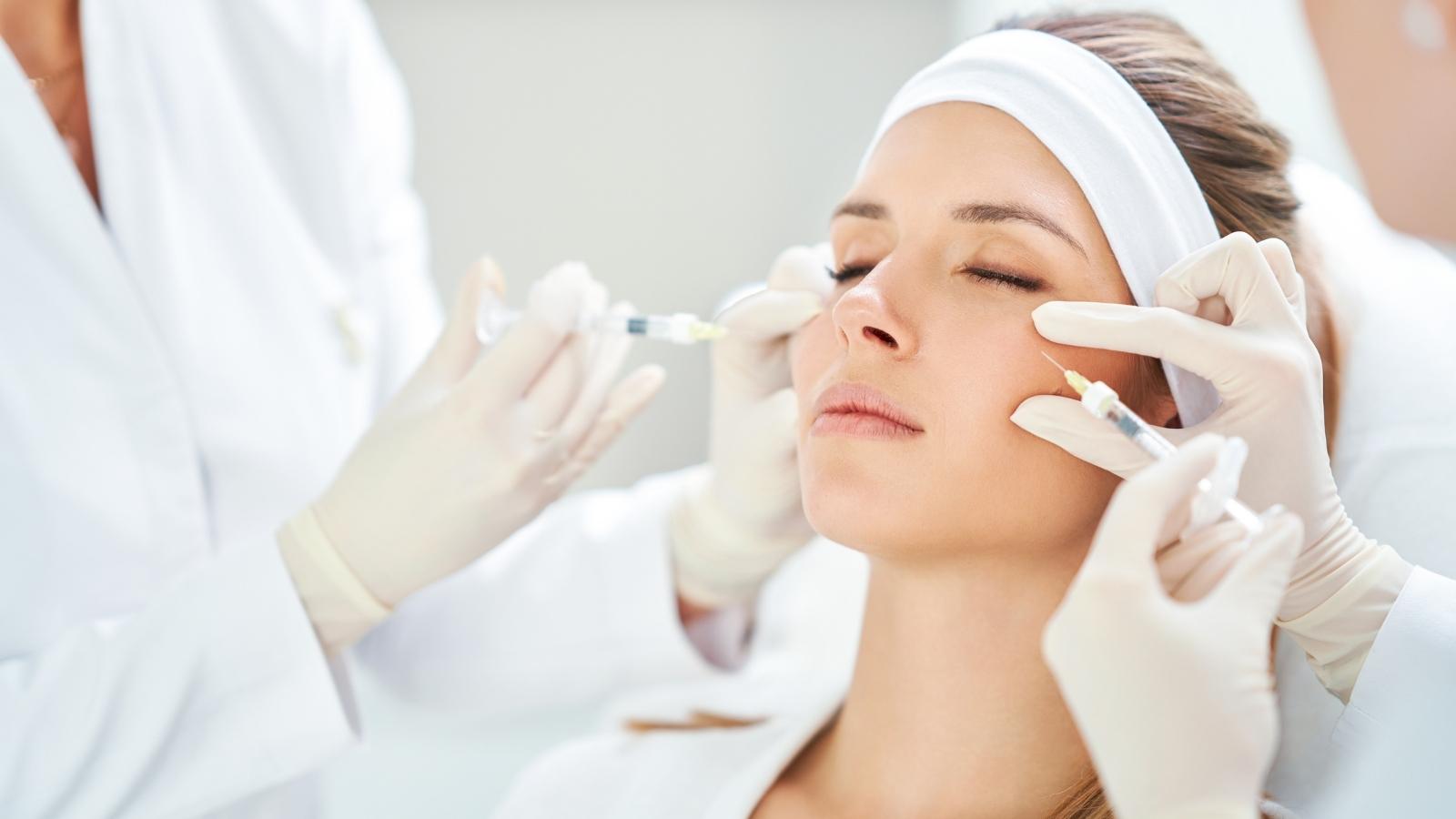
Two people can walk out of the same clinic with very different bills. Several factors influence your total cost, and knowing them helps you read any quote like a pro.
Units, muscle strength, and area size
The single biggest driver is how many units you need. Stronger facial muscles take more product to relax. Men or people with heavier muscle activity often need more units than women of the same age, raising the total Botox cost. Bigger treatment areas mean more units, too.
Location and provider experience
Where you live and who holds the needle both move the price. Big cities can push $15 to $25 per unit, while rural spots often go for $8 to $13. Board-certified dermatologists, plastic surgeons, and seasoned nurse practitioners usually charge more than less-experienced injectors. That premium often buys you safety and natural-looking results.
Curious how a different neuromodulator compares on price? Our Dysport versus Botox guide breaks down the per-unit math, since Dysport costs less per unit but needs more of them.
Botox Cost by Treatment Area
Here’s the breakdown most quotes skip. Different zones need different unit counts, because facial muscles vary in size and strength. These figures use a common $11 to $16 per-unit benchmark.
| Treatment area | Typical units | Estimated cost |
|---|---|---|
| Crow’s feet | ~20 units | $220 to $320 |
| Forehead lines | 10 to 30 units | $150 to $400 |
| Frown lines (the “11s”) | 15 to 25 units | $200 to $350 |
| Bunny lines | 4 to 8 units | $50 to $130 |
| Lip flip | 4 to 6 units | $50 to $100 |
| Masseter (jawline) | 50 to 100 units | $500 to $1,500 |
A full upper face treatment that covers forehead lines, frown lines, and crow’s feet often totals around 50 units. A full upper face treatment averages around $750 in many markets.
The masseter sits at the top because it’s one of the strongest muscles in your face. Smaller, detailed work runs cheaper. If chin dimpling bugs you, the fix is often just a few units, as our chin Botox guide explains. For the eye area, the under-eye Botox guide covers crow’s feet and timing.
Spotting Cheap Botox Red Flags
A rock-bottom price is tempting. It can also be a warning sign. When the cost dips far below market rate, something is usually getting cut behind the scenes.
Why suspiciously cheap is risky
The FDA has flagged counterfeit Botox circulating in low-cost settings. Bargain pricing can also mean diluted product, expired units, or an injector working outside proper training. Any of those can leave you with uneven results, a frozen look, or worse.
Questions a good provider answers
Protect yourself by asking a few direct questions before you book:
- Is the product authentic, FDA-approved Botox, and where is it sourced?
- What are the injector’s credentials and training in facial anatomy?
- How many units am I getting, and at what price each?
A trustworthy clinic answers all three without hesitation. The lowest cost doesn’t always represent the best value; quality of service, provider expertise, and treatment outcomes should be primary factors.
You can review the credentials of our Natura provider team to see what that transparency looks like.
Insurance, Savings, and Yearly Cost
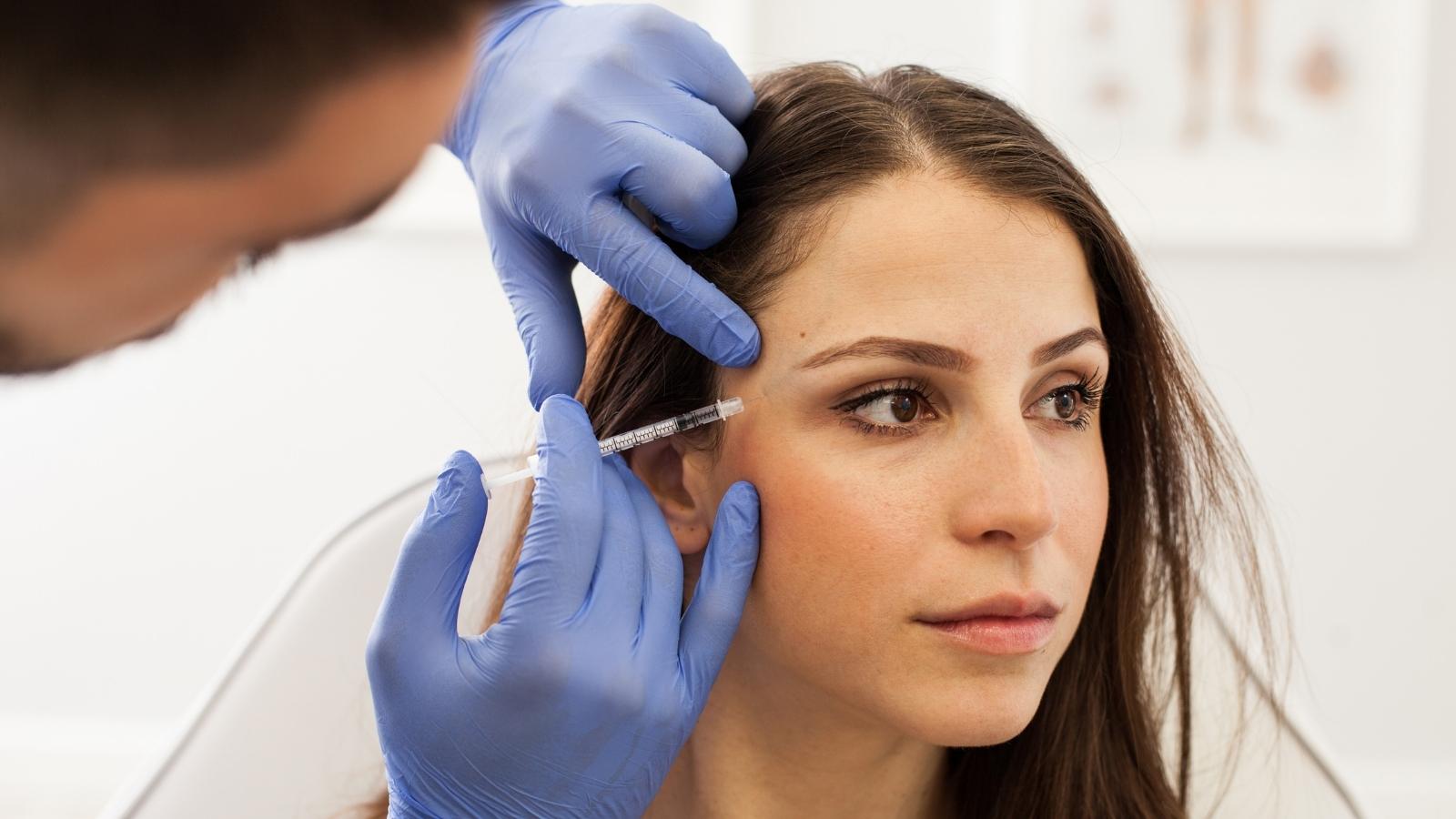
Two money questions come up constantly: will insurance help, and how do I keep costs down over time? Let’s settle both.
Does insurance cover Botox?
For cosmetic use, almost never. Insurance does not cover cosmetic Botox, but medical Botox is FDA-approved for chronic migraines, hyperhidrosis, overactive bladder, and cervical dystonia, and insurance may cover treatment for these conditions with documentation and prior authorization. So if Botox treats severe underarm sweating or chronic migraine, ask your provider about medical-necessity paperwork.
Smart ways to save
Cosmetic Botox stays out of pocket, but you have levers to pull:
- Membership and loyalty programs lower your per-unit rate for regular visits
- Package deals bundle Botox with fillers for a discount
- New-patient specials trim your first session
- Brand rewards like Allē earn points toward future treatments
Check our current promotions and payment plans to make the math friendlier. If budget is the main hurdle, our Botox alternatives post weighs lower-cost options.
Your true yearly cost
One session is not the whole picture. Botox results last about 3 to 4 months, so most patients schedule treatments a few times a year. That puts a typical annual cost around $1,200 to $3,000, depending on your area. The good news: consistent treatment can weaken muscles over time, so you may need fewer units and stretch the interval, trimming that yearly total.
Get Honest Botox Pricing at Natura
So how much does Botox cost? The honest answer: it depends on your units, your provider, and where you live. Most people pay $300 to $600 per session.
Keep these takeaways handy before you book:
- Botox runs $10 to $25 per unit, or roughly $300 to $600 per session
- Units needed depend on muscle strength and the area treated
- The masseter costs the most, while a lip flip costs the least
- Suspiciously cheap Botox is a red flag worth avoiding
- Insurance covers medical Botox, not cosmetic
Ready to see your real number? At Natura Dermatology in Fort Lauderdale, we price transparently by the unit and inject only authentic, FDA-approved products.
Book your consultation and our board-certified injectors will map a plan to your goals and budget, no guesswork. Curious about pairing treatments? Explore our Botox services or weigh your options with dermal fillers before you commit.
Frequently Asked Questions
Is Botox a minimally invasive cosmetic treatment?
Yes. Botox is a minimally invasive cosmetic treatment using botulinum toxin to relax facial muscles. Most patients finish in one visit with no downtime.
Does health insurance cover Botox?
Health insurance does not cover Botox for cosmetic purposes. It may cover medical conditions like excessive sweating or migraines, where botulinum toxin treats a diagnosed issue.
How many units of Botox will I need?
The number of units depends on your treatment area, muscle strength, and desired results. Horizontal forehead lines often need 10 to 30 units.
What affects the overall cost of Botox?
Geographic location, injector training, and unit count drive your overall cost. Experienced providers in major cities charge higher pricing, but skill protects your results.
Can Botox give a brow lift?
Yes. Strategically placed neuromodulator injections relax muscles that pull the brow down, creating a subtle brow lift and younger-looking skin without surgery.
How does Botox compare to dermal fillers?
Botox relaxes muscles to soften lines, while dermal fillers add volume. Many patients combine both in the same area for fuller, smoother desired results.
How can I tell if a clinic uses authentic products?
Ask your provider to confirm an FDA-approved, authentic product and explain their dosing rules. A transparent treatment plan signals quality over a suspiciously low average cost.


