

One in five Americans will develop skin cancer by age 70. That’s not a scare tactic. It’s a statistic from the American Academy of Dermatology. The good news? Up to 90% of skin cancers are directly linked to UV exposure, which means they’re largely preventable. You have more control over your risk than you might think.
This guide covers everything you need to know about protecting yourself:
- How UV radiation actually damages your skin
- Sunscreen rules that make a real difference
- Protective clothing and when to seek shade
- Why tanning beds multiply your risk
- Risk factors within and outside your control
- How to check your skin for warning signs
- When professional skin exams matter most
At Natura Dermatology & Cosmetics in Fort Lauderdale, skin cancer prevention is at the heart of our mission. Our team, led by Dr. Will Richardson, offers thorough full-body imaging and exams to catch concerns early.
How UV Radiation Actually Damages Your Skin
Understanding how UV radiation harms your body is the first step toward effective skin cancer prevention.
Sunlight contains two types of ultraviolet rays that reach your skin. UVA rays penetrate deep into the dermis, damaging collagen and elastin. They’re responsible for premature skin aging, wrinkles, and age spots. But they also alter skin cells in ways that lead to cancer.
UVB rays work differently. They hit the outer layer of your skin, causing sunburn and tanning. These are the rays most directly linked to developing skin cancer.
What Happens at the Cellular Level
When UV rays hit your skin cells, they damage DNA. Specifically, they cause abnormal bonds between DNA building blocks, creating mutations. Your body can repair some of this damage, but not all of it. The unrepaired mutations accumulate over time.
Eventually, these mutations can cause skin cells to multiply uncontrollably. That’s how skin cancer begins.
Here’s the sobering part: every tan represents DNA damage. That golden glow isn’t healthy. It’s your skin’s desperate attempt to protect itself after the harm has already occurred.
The Cumulative Effect
Sun exposure works like a bank account, except in reverse. Every sunburn, every tan, every unprotected hour outdoors deposits damage that your body stores. Years or decades later, that accumulated damage may trigger cancer.
This explains why most skin cancers appear later in life, even though much of the causative damage happened during childhood and adolescence.
| Type of UV Ray | Penetration Depth | Primary Effects |
|---|---|---|
| UVA (320-400 nm) | Deep dermis | Aging, wrinkles, indirect DNA damage |
| UVB (280-320 nm) | Outer epidermis | Sunburn, direct DNA damage, tanning |
Pro tip: Cloud cover blocks some uvb rays but lets most UVA through. You can get significant uv exposure on overcast days.
Sunscreen Rules That Make a Real Difference
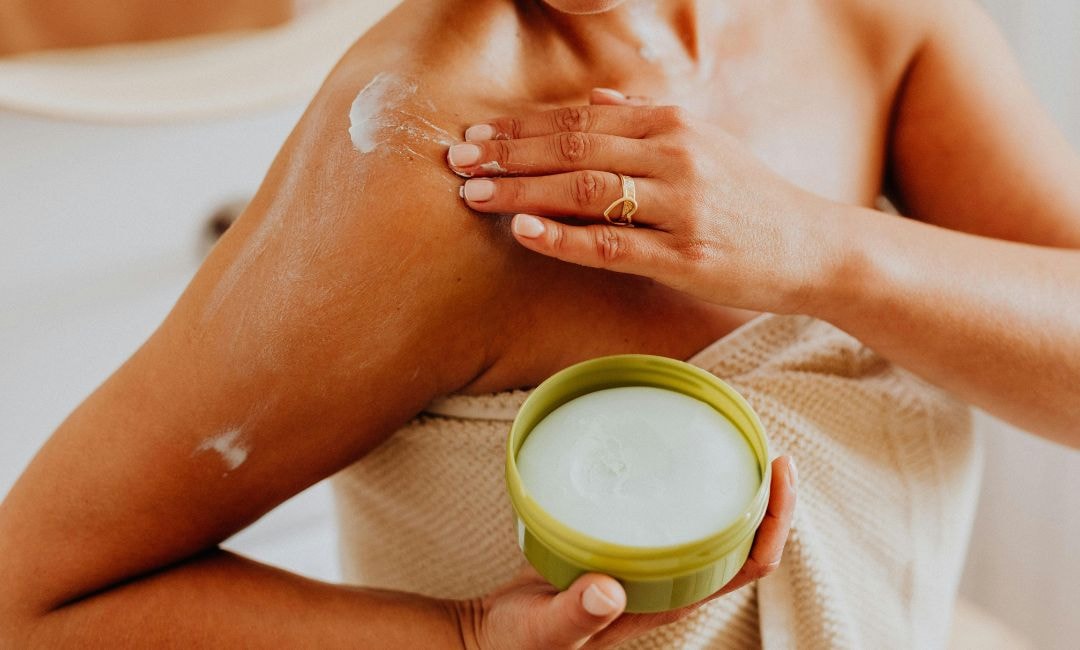
Applying broad-spectrum sunscreen is your most powerful daily defense against skin cancer. But most people use it incorrectly.
Choose the Right Formula
Look for these key features:
- Broad-spectrum protection: This means the formula guards against both UVA and UVB radiation
- SPF 30 or higher: Sun protection factor measures UVB protection, with SPF 30 blocking about 97% of uvb rays
- Water resistance: Important if you swim or sweat
The National Cancer Institute and American Academy of Dermatology both recommend broad-spectrum sunscreen as a cornerstone of adequate sun protection.
Apply Enough (Most People Don’t)
Here’s where most sun protection efforts fail. The average adult needs about one ounce (a shot glass full) to cover all exposed skin. Most people apply only 25-50% of that amount.
For your face alone, use a nickel-sized dollop. Don’t forget commonly missed spots:
- Ears and the back of the neck
- Tops of feet
- Scalp (or wear a hat)
- Lips (use SPF lip balm)
Timing Matters
Apply sunscreen 15-30 minutes before going outside. This gives the formula time to bind to your skin. Reapply every two hours, or immediately after swimming, sweating, or toweling off.
Even “all-day” formulas break down with sun exposure. No sunscreen provides permanent protection.
Sunscreen Alone Isn’t Enough
While sunscreen prevents sunburns and reduces the risk of squamous cell carcinoma and other nonmelanoma skin cancer, ideal sun protection involves multiple strategies. Sunscreen should be one part of a comprehensive approach, not your only defense.
Protective Clothing and When to Seek Shade
Sun protective clothing offers reliable protection that doesn’t wash off, wear off, or require reapplication.
What to Wear
The best protective clothing has:
- Tight weave: Hold fabric up to light; if you can see through it, UV rays can penetrate
- UPF rating: Ultraviolet protection factor of 50+ blocks 98% of the sun’s rays
- Dark or bright colors: They absorb more UV than pastels or white
- Coverage: Long sleeves, long pants, and high necklines protect more skin
Wear sun protective clothing whenever extended outdoor time is unavoidable. Tightly woven protective clothing beats sunscreen for consistent, reliable coverage.
Hats and Sunglasses
Your face, ears, and neck receive intense sun exposure. A wide-brimmed hat (3+ inches) provides shade for all these areas. Baseball caps leave the ears and neck vulnerable.
Wear sunglasses that block UV rays to protect your eyes and the delicate skin around them. Look for labels stating 100% UV protection or UV400.
When to Seek Shade
The sun’s rays are strongest between 10 a.m. and 4 p.m. During these hours, seek shade whenever possible. Trees, umbrellas, and covered structures all work.
Here’s a simple rule: if your shadow is shorter than you are, sun intensity is high enough to damage your skin quickly.
Sun safety means planning outdoor activities for early morning or late afternoon when UV intensity drops. Building healthy habits early around shade-seeking can dramatically reduce indoor tanning and outdoor damage over a lifetime.
Why Tanning Beds Multiply Your Risk
There’s no such thing as a safe tan from indoor tanning devices. The science is clear: tanning beds cause cancer.
The Numbers Are Alarming
- Indoor tanning increases melanoma risk by 75% when first used before age 35
- Using tanning beds before age 20 increases melanoma risk by 47%, and the risk grows with each session
- Indoor UV tanning devices raise squamous cell carcinoma risk by 58% and basal cell carcinoma risk by 24%
- Nearly 500,000 cases of skin cancer in the U.S. each year are linked to indoor tanning
The World Health Organization and the U.S. Department of Health and Human Services classify ultraviolet radiation from indoor tanning facilities as a known carcinogen, in the same category as tobacco and arsenic.
Common Myths Debunked
- “A base tan protects against sunburn.” False. A base tan provides minimal protection (equivalent to SPF 3-4) while causing significant DNA damage.
- “Tanning beds are safer than the sun.” Also false. Indoor tanning devices can emit UV radiation 10-15 times stronger than the midday sun. The concentrated exposure accelerates damage.
- “I need indoor tanning for vitamin D.” You don’t. Tanning beds emit UVA primarily, but your body needs UVB to produce vitamin D. Oral supplements and fortified foods provide vitamin D safely.
Legislative Progress
Concerns about skin cancer incidence rates have prompted action. Several countries, including Australia, Brazil, and Iran, prohibit indoor tanning entirely. Countries like France, Germany, and the UK ban minors from indoor tanning facilities.
In the United States, state indoor tanning laws vary widely. Some states have enacted indoor tanning restrictions that ban minors under 18, while other sun protection behaviors remain voluntary. Norway prohibits indoor tanning for minors as well, reflecting growing international consensus.
Pro tip: If you want tanned skin without the cancer risk, use self-tanning products. They’re purely cosmetic and don’t damage DNA.
Risk Factors Within and Outside Your Control
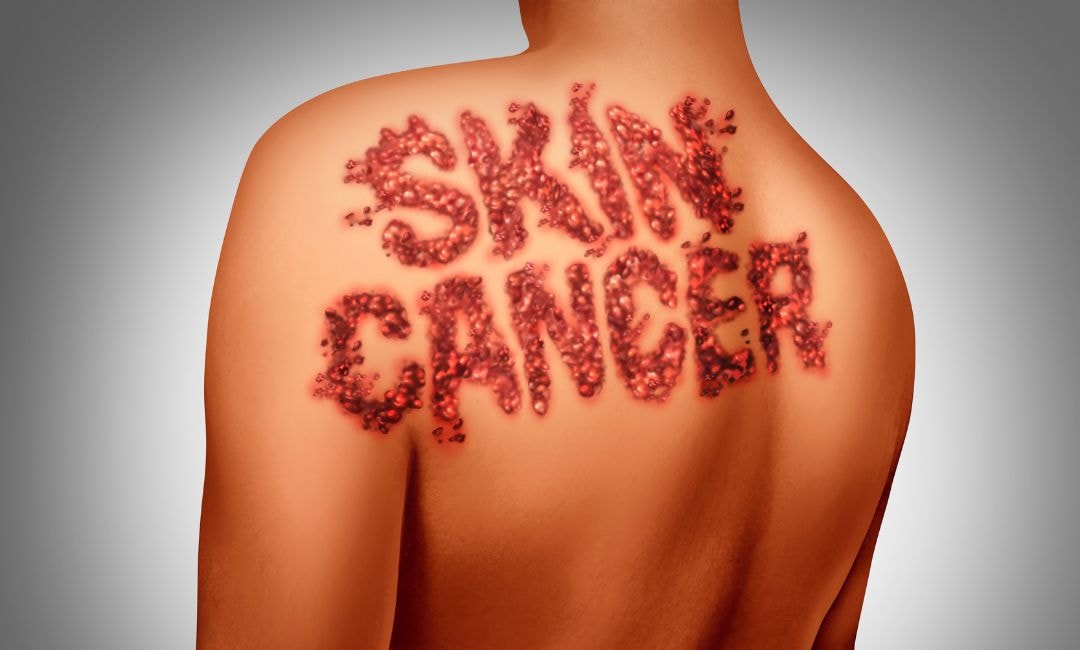
Some skin cancer risk factors you can change. Others you inherit. Understanding both helps you calibrate your prevention efforts.
Risk Factors You Can Control
- Sun exposure: This is the big one. Limiting unprotected time in the sun reduces your cumulative damage. Increasing sun protection behaviors like wearing sunscreen, seeking shade, and covering up makes a measurable difference in skin cancer risk.
- Indoor tanning: Every session increases risk. Quitting (or never starting) immediately improves your odds. Reduce indoor tanning to zero if possible.
- Sunburns: Even one blistering sunburn during childhood nearly doubles lifetime melanoma risk. Prevent sunburn completely through sun protection measures.
- Healthy habits: Maintaining a healthy immune system through nutrition, sleep, and exercise helps your body repair DNA damage and fight abnormal cells.
Risk Factors You Can’t Control
- Fair skin: People with fair skin burn easily and have a higher skin cancer risk. If you have light skin, eyes, or hair, you need more aggressive protection.
- Family history: A personal history or family history of skin cancer increases your risk. Genetics influence how well your body repairs UV damage.
- Moles: Having many moles (especially atypical ones) elevates melanoma risk. Track changes carefully.
- Age: Most skin cancers appear after age 50, though damage accumulates throughout life.
Previous skin cancer: If you’ve had one skin cancer, you’re at a higher risk for another.
| Risk Factor | Controllable? | What You Can Do |
|---|---|---|
| Sun exposure | Yes | Limit time, use protection |
| Indoor tanning | Yes | Stop completely |
| Sunburns | Yes | Prevent with sunscreen and clothing |
| Fair skin | No | Be extra vigilant with protection |
| Family history | No | Get regular professional exams |
| Mole count | Partial | Monitor closely for changes |
Comprehensive cancer control programs emphasize that even people with genetic risk factors can dramatically reduce their odds through behavior change. Address skin cancer prevention proactively, regardless of your baseline risk.
How to Check Your Skin for Warning Signs
Regular self-exams catch problems early, when treatment is most effective. The Skin Cancer Foundation recommends monthly head-to-toe checks.
The ABCDE Method for Melanoma
Use this guide to evaluate moles and spots:
- A (Asymmetry): One half doesn’t match the other
- B (Border): Edges are irregular, ragged, or blurred
- C (Color): Multiple shades of brown, black, red, white, or blue within one spot
- D (Diameter): Larger than 6mm (pencil eraser size), though melanomas can be smaller
- E (Evolving): Any change in size, shape, color, or symptoms like itching or bleeding
The Ugly Duckling Sign
Look for any mole that stands out from the others on your body. If one spot looks distinctly different from surrounding moles, it deserves closer attention.
How to Perform a Self-Exam
- Use a full-length mirror and a hand mirror for hard-to-see areas
- Examine your face, ears, neck, and scalp thoroughly
- Check arms, hands (including palms and between fingers), and underarms
- Inspect your torso front and back
- Examine legs, feet (including soles), and between toes
- Check your back and buttocks with a hand mirror
Look for anything new, changing, or unusual. Not all skin cancers follow the ABCDE pattern, so trust your instincts.
Beyond Melanoma
Basal cell carcinoma and squamous cell carcinoma have different warning signs:
- Open sores that don’t heal within three weeks
- Reddish patches that may itch or crust
- Shiny bumps or nodules (pink, red, white, or translucent)
- Pink growths with raised edges
- Scar-like areas with poorly defined borders
Sun safety education programs in primary and middle schools now teach children to recognize these signs early. Building awareness among young people supports skin cancer prevention efforts throughout life.
When Professional Skin Exams Matter Most
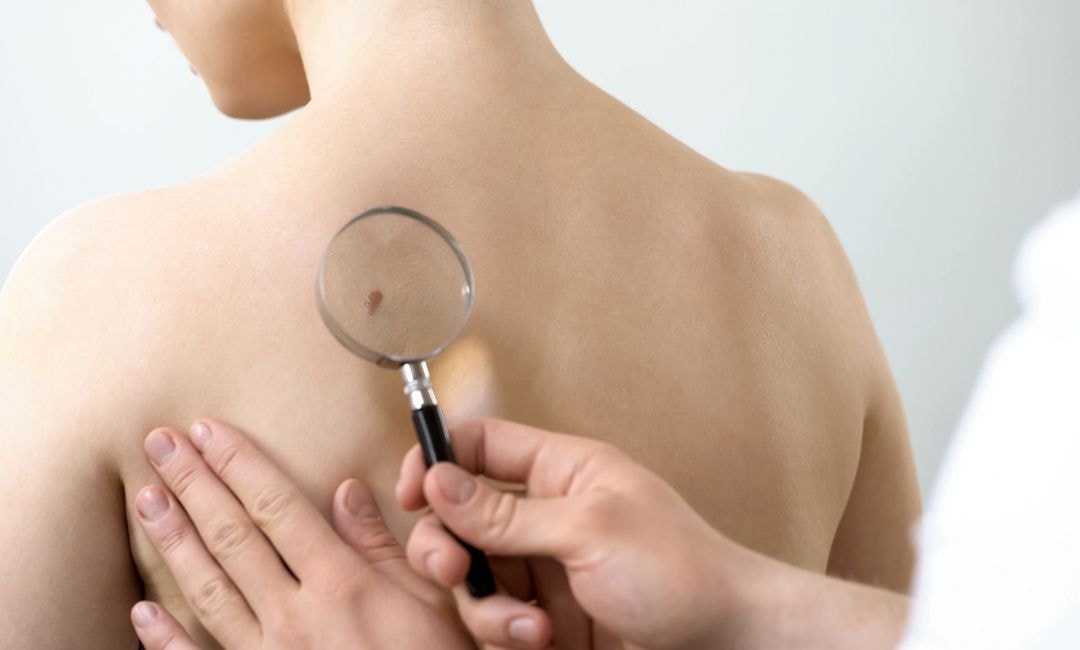
Self-exams are essential, but they don’t replace professional evaluation. Dermatologists have tools and training to spot what you might miss.
Who Needs Regular Professional Exams
Annual skin exams are especially important if you have:
- Personal history of skin cancer or precancerous growths
- Family history of melanoma
- Fair skin that burns easily
- History of severe sunburns
- Many moles (especially atypical ones)
- Weakened immune system
- History of indoor tanning observed over the years
Even without elevated risk factors, consider annual exams as part of your cancer prevention routine. Skin cancer education emphasizes that early detection saves lives.
What Happens During a Professional Exam
Your dermatologist will:
- Review your medical history and risk factors
- Examine your entire body, including scalp, between toes, and other hidden areas
- Use a dermatoscope (magnifying tool with light) to examine suspicious spots
- Document moles for future comparison
- Biopsy anything concerning
At Natura Dermatology, full-body imaging allows precise tracking of changes over time. Dr. Will Richardson and the team use advanced technology to catch abnormalities early.
When to Schedule Outside Your Regular Exam
Don’t wait for your annual appointment if you notice:
- A new or changing mole
- A spot that looks different from others
- A sore that won’t heal
- Any growth that itches, bleeds, or crusts
- Changes matching the ABCDE criteria
Prompt evaluation of suspicious spots supports skin cancer prevention interventions that work. Mohs surgery, available at Natura Dermatology, removes skin cancer with the highest cure rates while preserving healthy tissue.
Prevention That Works Starts With Natura Dermatology
Skin cancer is common but largely preventable. Up to 90% of cases result from uv exposure you can control. Sun protection measures, protective clothing, avoiding tanning beds, and regular skin exams form a powerful defense.
Key takeaways:
- UV radiation damages DNA in skin cells, causing mutations that accumulate over time
- Broad-spectrum sunscreen with SPF 30+ is essential, but apply enough and reapply often
- Wear sun protective clothing, wide-brimmed hats, and UV-blocking sunglasses
- Tanning beds are carcinogens that dramatically increase cancer risk
- Some risk factors (fair skin, family history) can’t be changed, but behavior matters more
- Monthly self-exams using the ABCDE method catch problems early
- Professional skin exams provide expert evaluation and advanced detection tools
At Natura Dermatology & Cosmetics in Fort Lauderdale, preventing melanoma and other skin cancers is at the heart of our mission. Dr. Will Richardson and the team offer thorough full-body imaging, Mohs surgery for removal, and personalized guidance to reduce skin cancer risk. Schedule your skin exam and take control of your skin health today.
FAQs
What are the 7 warning signs of skin cancer?
The most important warning signs include asymmetrical moles, irregular borders, multiple colors within one spot, a diameter larger than a pencil eraser, and any evolution in size, shape, or color. Additionally, watch for sores that won’t heal and new growths that itch, bleed, or crust. Trust your instincts if something looks unusual.
What kills skin cancer cells?
Treatment depends on cancer type and stage. Surgical removal (including Mohs surgery) physically excises cancerous tissue. Radiation therapy destroys cancer cells with targeted beams. Topical medications like imiquimod stimulate an immune response against abnormal cells. Advanced melanoma may require immunotherapy, targeted therapy, or chemotherapy. Early-stage skin cancers are highly curable with prompt treatment.
What triggers skin cancer?
Ultraviolet radiation from the sun and indoor tanning devices is the primary trigger. UV rays damage DNA in skin cells, causing mutations that accumulate and eventually trigger uncontrolled cell growth. Other risk factors include fair skin, family history, weakened immune system, and exposure to certain chemicals. The National Cancer Institute identifies UV exposure as responsible for most skin cancers.
How to reduce your chances of skin cancer?
Apply broad-spectrum sunscreen daily, seek shade during peak sun hours, and wear sun-protective clothing, including hats and sunglasses. Never use tanning beds. Perform monthly self-exams and get annual professional skin checks. Protect children especially carefully since childhood sun exposure has lasting effects. These sun protection behaviors significantly lower lifetime risk.
How to prevent skin cancer naturally?
Natural prevention focuses on avoiding UV exposure. Seek shade, especially between 10 a.m. and 4 p.m. Wear tightly woven protective clothing, wide-brimmed hats, and UV-blocking sunglasses. Eat a diet rich in antioxidants (fruits, vegetables, omega-3 fatty acids) that may support skin health. Maintain a healthy weight and a strong immune system. However, there’s no substitute for physical sun protection measures.
How do you treat skin cancer on the nose?
Nose skin cancers are common due to high sun exposure. Mohs surgery is often the preferred treatment because it removes cancer layer by layer, preserving maximum healthy tissue while ensuring complete removal. This precision matters on the nose, where appearance and function are important.
Natura Dermatology offers Mohs surgery performed by skilled providers who prioritize both cure rates and cosmetic outcomes. Smaller lesions may be treated with excision, cryotherapy, or topical medications, depending on cancer type.


