

Your bladder leaks when you laugh. Sex feels uncomfortable. Or maybe you’re constantly running to the bathroom even though you just went.
These aren’t just annoying quirks; they’re red flags that your pelvic floor isn’t functioning the way it should. A tight pelvic floor can be just as problematic as a weak one, yet most people assume weakness is the only issue. We’re breaking down how to identify which problem you’re dealing with and what actually works to fix it.
Here’s what we’ll cover:
- Common signs your pelvic floor is tight vs. weak
- Simple at-home tests you can do right now
- When to see a specialist and what treatments work
- How hormones and skin health affect pelvic floor function
At Natura Dermatology & Cosmetics in Fort Lauderdale, we treat the whole body — not just what’s on the surface. Dr. Will Richardson and our team help patients address hormonal imbalances and tissue health that directly impact pelvic floor strength.
Common Signs Your Pelvic Floor Is Tight vs. Weak
Your pelvic floor doesn’t send a text when something’s wrong. Instead, it speaks through symptoms that most people brush off as “just part of life” or chalk up to aging.
But here’s the thing: pelvic floor dysfunction affects about 1 in 10 people, and the symptoms can look wildly different depending on whether your muscles are too tight or too weak. Let’s break down what each one actually feels like.
Signs Your Pelvic Floor Is Tight
A tight (or hypertonic) pelvic floor means your muscles are stuck in a constant state of contraction. They can’t relax when they need to.
Think of it like a clenched fist that won’t open.
Bathroom Issues
If you’re sprinting to the bathroom every two hours or less, your pelvic floor might be too tight. Urinary frequency is a huge red flag. You might also notice:
- Difficulty starting your pee stream or a weak, stop-start flow
- Straining or pushing when you urinate
- Feeling like you need to pee urgently, even minutes after you just went
- Constipation, straining during bowel movements, or feeling like you never fully empty
- Pencil-thin stools or hemorrhoids
Pain During or After Sex
Tight pelvic floor muscles are often painful when touched or stretched during penetrative sex. You might feel:
- Pain with insertion (like hitting a wall)
- Burning or rawness at the vaginal opening
- Throbbing or cramping after sex
- Pain during orgasm
If you’ve ever struggled to insert a tampon or dreaded your gynecological exam, that’s another clue.
Pelvic and Lower Body Pain
A common symptom is pain, which you may feel as general pain or pressure in your pelvic area, low back, or hips. Other pain symptoms include:
- Tailbone pain or pain when sitting
- Deep hip or hamstring pain that stretches don’t fix
- Vaginal or vulvar pain and burning
- Symptoms that feel like a urinary tract infection but test negative for infection (sometimes called a “phantom UTI”)
What Causes a Tight Pelvic Floor?
Factors that may increase your risk include habitually holding in your urine or stool, injury during surgery or childbirth, prolonged sitting, stress, depression, and anxiety. People who overengage their core during workouts can also develop pelvic tension.
Signs Your Pelvic Floor Is Weak
A weak (or underactive) pelvic floor can’t provide the support your organs need. The muscles are stretched, damaged, or just not strong enough to do their job.
Leaking and Bladder Control Issues
Stress incontinence is the leakage of urine with coughing and sneezing. But it can also happen when you:
- Laugh, jump, or run
- Lift something heavy
- Exercise or do high-impact movements
If your bladder drops significantly, you may have trouble emptying your bladder. This can lead to frequent urinary tract infections.
Pelvic Organ Prolapse
Very weak pelvic floor muscles allow organs to drop low enough to be noticeable. You might experience:
- A bulge or heaviness in the vagina
- Feeling like something is “falling out”
- Pressure or pulling in your lower abdomen or pelvis
- Deep vaginal aching
Bowel Control Problems
Fecal incontinence is the inability to control bowel movements, causing stool or liquid to leak from the rectum due to damaged or weakened muscles. Some people experience urgency where they can’t make it to the bathroom in time.
Sexual Dysfunction
Some women with weak muscles may experience sexual dysfunction, including pain during intercourse or difficulty achieving orgasm. Reduced sensation during sex is another common complaint.
What Causes a Weak Pelvic Floor?
Having a vaginal delivery is a significant risk factor, especially if labor was long or the baby weighed over 8.5 pounds. Other causes include:
- Being overweight, chronic constipation, heavy lifting, and chronic coughing
- Aging and hormonal changes during menopause
- Pelvic surgeries or radiation treatment
Can Your Pelvic Floor Be Both Tight and Weak?
Yes. If the muscles are weak but overactive (or working too hard), this can cause painful sex or vulval pain and can also cause reduced bladder control.
This is why doing Kegels without proper assessment can backfire. If your muscles are already tight, strengthening exercises will make things worse.
When Hormones Play a Role
Hormonal changes during menopause don’t just affect your skin. We have more weakening of the muscles, ligaments, and tissues that are supported by estrogen as hormone levels drop.
At Natura Dermatology & Cosmetics, we see this connection play out in real time. When estrogen declines, tissue quality suffers across the board (including pelvic floor health). Our weight loss and peptide therapy programs help patients optimize their hormonal balance, which supports tissue strength and overall wellness. Dr. Will Richardson and our team in Fort Lauderdale work with patients to address these systemic issues that impact pelvic health.
Simple At-Home Tests You Can Do Right Now
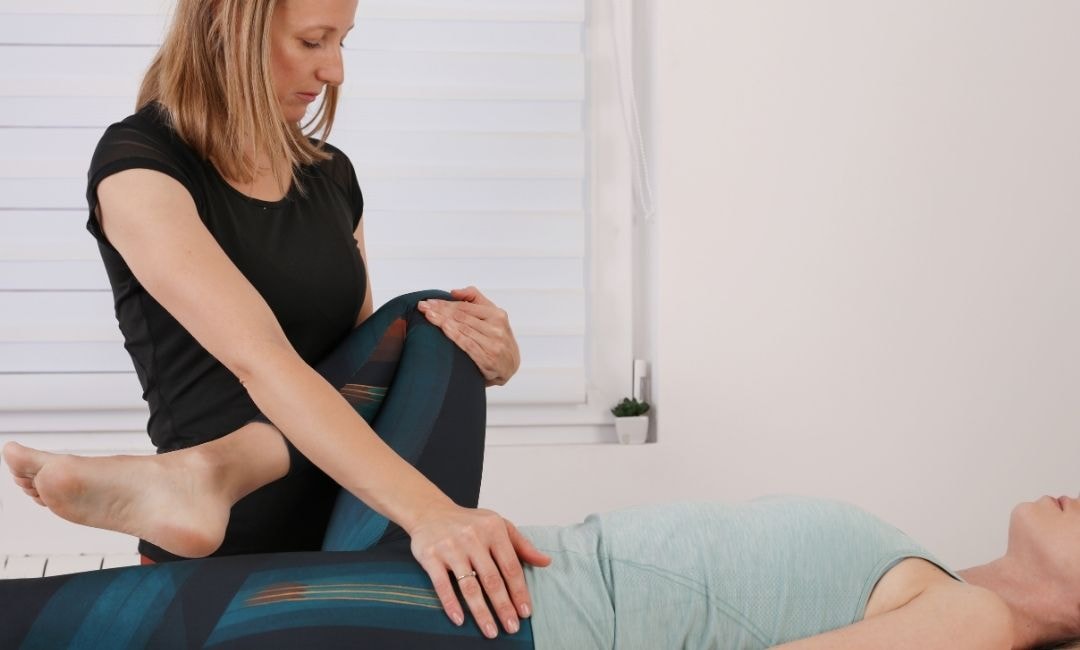
You don’t need fancy equipment to start figuring out what’s going on with your pelvic floor. These quick self-assessments give you clues about pelvic floor muscle tone and function before you see a specialist.
The Mirror Test
Sitting on the floor with your back supported, prop your knees up so that your knees and hips are bent. Using a mirror, take a look at your vaginal and anal area.
Now try to squeeze your pelvic floor muscles (imagine stopping yourself from peeing). Watch for:
- Inward movement at the perineum (the area between your vagina and anus)
- A slight lift upward
- The anus tightening
If you see no movement, your pelvic floor muscle weakness might be the issue. If the area looks tense even at rest or you can’t see much relaxation, pelvic floor tightness could be the problem.
The Internal Check
Lie on your back or side, and using a small amount of lubricant, insert your index finger into your vagina. Slowly bend your finger and gently press onto the side of the vaginal wall. Contract your pelvic floor muscle by imagining that you are stopping the flow of urine.
You should feel a squeezing and lifting sensation around your finger. If you feel your pelvic floor muscles a bit but can’t quite squeeze inwards very much or don’t feel a drawing upwards, then you need to work on improving the strength of these muscles.
If the pelvic floor muscles have too much tone, they may feel very strong, but this is a false strength. If you could only put one finger in or felt massive resistance when trying to separate your fingers, your muscles are likely too tight.
The Symptom Checklist
Ask yourself:
- Do I leak urine when I cough, laugh, or exercise? (Weak pelvic floor)
- Do I constantly feel like I need to pee even after just going? (Tight pelvic floor)
- Is sex painful or uncomfortable? (Could be either)
- Do I have trouble fully emptying my bladder or bowels? (Often tight)
- Do I feel pressure or heaviness in my pelvis? (Often weak)
If you answered yes to any of these, pelvic floor muscle dysfunction is likely at play.
When Self-Tests Aren’t Enough
At-home checks give you a starting point, but they’re not a substitute for professional assessment. A pelvic floor physical therapist can identify the root cause and create a treatment plan tailored to your specific pelvic floor issues.
When to See a Specialist and What Treatments Work
If pelvic floor muscle pain, bathroom issues, or painful sex are interfering with your life, it’s time to call in the experts. Generally, you can expect to be working with a pelvic floor therapist for eight to twelve weeks, with one or two sessions a week.
Red Flags That You Need Help Now
See a pelvic floor physical therapist if you’re dealing with:
- Persistent pelvic pain that doesn’t improve
- Frequent or urgent need to urinate, fecal or urinary incontinence, incomplete bladder emptying, or bowel dysfunction
- Painful intercourse or sexual dysfunction
- Symptoms that get worse instead of better with at-home exercises
- Visible bulging or prolapse
Don’t wait for things to get worse. Pelvic floor physical therapy has robust evidence-based support and clear benefit as a first-line treatment for most pelvic floor disorders.
What Happens at Your First Appointment
The examination may last up to an hour, and the therapist will use the information they gathered to create a tailored treatment plan. Your therapist will:
- Take a full medical history and discuss your symptoms
- Do an external exam of your posture, spine, and hips
- Perform an internal exam (vaginal or rectal) to assess pelvic floor muscles’ support, strength, and coordination
- Check for trigger points, tense pelvic floor muscles, or areas of pelvic floor tension
Treatment Options That Actually Work
For Overactive Pelvic Floor Muscles (Tight)
Treatment may include myofascial release (manual stimulation of trigger points), functional dry needling to reduce pain and restore normal muscle function, and exercises to relax your pelvic muscles. Breathing exercises and biofeedback help you learn to release tension.
For Underactive Pelvic Floor Muscles (Weak)
Kegel exercises, the intentional tightening and relaxing of your pelvic floor muscles, are one of the exercises you’ll learn. Pelvic floor biofeedback helps you learn how to control or strengthen pelvic floor muscles. Core strengthening and proper posture training rebuild pelvic floor muscle tone.
Additional Therapies
- Electrical stimulation uses electrodes to stimulate the nerves of the pelvic floor with small pulses of low-grade electrical current, recommended for people with extremely weak pelvic floor muscles
- Lifestyle modifications, including adjusting bowel or bladder routines, consuming less caffeine, and eating more fiber
- Manual therapy and trigger point release for pelvic floor muscle pain
How Hormones Fit Into Treatment
Healthy pelvic floor muscles depend on more than just exercise. Hormonal balance plays a massive role in tissue quality, muscle function, and recovery.
That’s where Natura Dermatology & Cosmetics steps in. Our peptide therapy and weight loss programs aren’t just about aesthetics. They optimize hormonal health, which directly impacts pelvic floor muscle tone and tissue integrity.
Dr. Will Richardson and our team work with patients in Fort Lauderdale to address the systemic factors that contribute to pelvic floor dysfunction. We take a whole-body approach because your pelvic health is connected to everything else.
How Hormones and Skin Health Affect Pelvic Floor Function
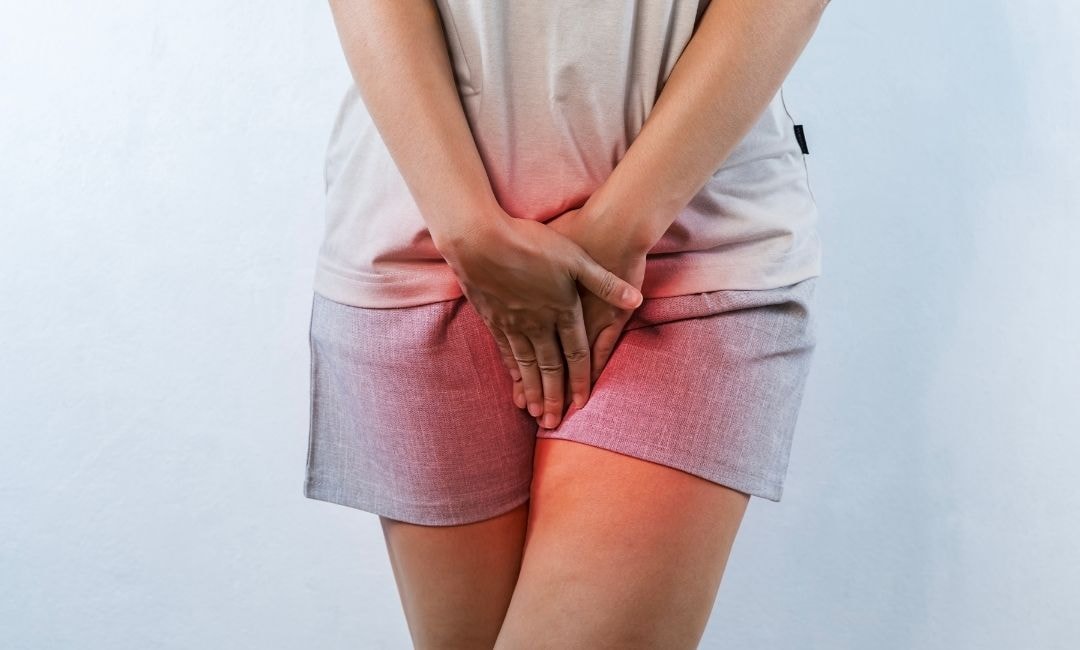
Your pelvic floor doesn’t exist in isolation. It’s connected to every other system in your body, especially your hormones and tissue quality. When your skin starts losing elasticity, the same thing is happening to your pelvic region.
Estrogen: The Foundation for Healthy Pelvic Floor Muscles
Estrogen and progesterone levels are essential for overall pelvic floor health. When estrogen and progesterone levels drop, which can occur during breastfeeding, perimenopause, menopause, and cancer treatments, our pelvic floor pays the price.
Here’s what happens when estrogen declines:
The pelvic floor muscles contain receptors for estrogen, which implies that they respond to changes in estrogen levels. As you move through menopause, your body tissues become more fibrotic, getting thicker, much like scar tissue.
The result?
- Weaker and less flexible pelvic floor muscles, which can lead to urinary incontinence, pelvic organ prolapse, and sexual dysfunction
- Increased pelvic discomfort and pelvic muscle pain
- Loss of lubrication and elasticity in vaginal tissues, as well as vaginal dryness
- Muscle tightness restricts the vaginal canal, making sex painful
Estrogen supports muscle repair, collagen production, and overall muscle tone. Higher estrogen levels often correlate with better muscle performance, while lower levels can contribute to muscle fatigue and pelvic floor weakness.
The Collagen Connection: What Your Skin Reveals
If you’re noticing more wrinkles and sagging skin, your pelvic floor is experiencing the same breakdown.
In the first five years after menopause, women lose approximately 30% of skin collagen, and levels continue to decline at 2.1% annually over 20 years. That same collagen loss is happening internally.
The fascia and ligaments that hold your internal organs in place (known as the pelvic floor) are made up primarily of collagen fibers. The cardinal ligaments that attach the uterus to the pelvic wall are made of collagen, too.
What collagen depletion does to your pelvic floor:
- The structure of collagen fibrils in pelvic organ prolapse patients becomes loose, disorderly, and discontinuous
- Decreased collagen levels might make women more susceptible to pelvic organ prolapse and urinary incontinence
- Intense pelvic floor pressure and pelvic heaviness as tissues lose structural support
- Gas pelvic heaviness from weakened support structures
How Stress Hormones Make Things Worse
Stress affects our hormones through adrenaline and cortisol. Anxiety, lack of sleep, trauma, or escalated emotions like anger can cause hormone overproduction with significant health repercussions, including ligament laxity, dehydration, blood sugar concerns, or compromised immunity.
Chronic stress creates a vicious cycle:
- Elevated cortisol triggers muscle spasms and muscle tightness in the pelvic region
- Tight muscles lead to nagging back pain, painful urination, and urinary urgency
- Muscle control becomes compromised, affecting healthy bowel movements
- The inability to relax muscles perpetuates pelvic floor hypertonicity
Bringing It All Together: Optimizing Hormonal Health
You can do pelvic floor exercises until you’re blue in the face, but if your hormones are out of balance and your tissue quality is suffering, you’re fighting an uphill battle.
Here’s where systemic treatment makes the difference.
At Natura Dermatology & Cosmetics, we understand that tissue health starts from the inside out. Our peptide therapies and weight loss programs work to restore hormonal balance, which directly impacts how your pelvic floor muscles work. When estrogen levels stabilize, collagen production improves. When cortisol normalizes, muscle tension decreases.
Dr. Will Richardson and our team in Fort Lauderdale treat patients who struggle with pelvic floor symptoms by addressing the root hormonal imbalances. We use advanced treatments that support tissue regeneration, reduce muscle tightness, and help your body manage symptoms more effectively. Our approach recognizes that your abdominal muscles, sit bones, and entire pelvic region need hormonal support to function properly.
We combine these treatments with relaxation techniques and lifestyle modifications to help you move from a firm, flat surface of tension to a flexible, strong pelvic floor. Whether you’re dealing with an overactive bladder, issues with bowel movements, or challenges with sexual function, optimizing your hormonal health gives your body the tools it needs to heal.
Get Whole-Body Support at Natura Dermatology & Cosmetics
Your pelvic floor symptoms are telling you something. Whether you’re dealing with leaking, pain, or pressure, the solution isn’t just about doing more Kegels. It’s about understanding what’s actually happening in your body and addressing the root causes.
Key takeaways:
- Tight pelvic floors cause pain, urinary frequency, and painful sex, while weak pelvic floors cause leaking and prolapse
- At-home tests (mirror test, internal check) give you clues about muscle tone before seeing a specialist
- Pelvic floor physical therapy is the gold standard treatment, typically lasting 8-12 weeks
- Hormones like estrogen directly impact pelvic floor strength and tissue quality
- Collagen loss affects both your skin and your pelvic floor simultaneously
- Addressing hormonal imbalances supports long-term pelvic floor health
Pelvic floor health isn’t separate from the rest of your body. At Natura Dermatology & Cosmetics, our Fort Lauderdale team treats the whole person, not just isolated symptoms. Our peptide therapies and weight loss programs optimize the hormonal balance your pelvic tissues need to function properly, giving you the foundation for lasting results.
Ready to take control of your pelvic health? Book a consultation at Natura Dermatology & Cosmetics and let’s create a comprehensive treatment plan that addresses both your hormonal health and pelvic floor function.
FAQs
How to tell the difference between a tight or a weak pelvic floor?
Tight pelvic floors cause pain during sex, urinary frequency, constipation, and difficulty starting urination. Weak pelvic floors cause urine leakage when you cough or sneeze, pelvic heaviness, and trouble controlling healthy bowel movements. Pelvic floor muscle tension feels different from weakness.
What are the symptoms of a tight pelvic floor?
Symptoms include pelvic pain, painful intercourse, urinary urgency and frequency, constipation, straining during bowel movements, burning during urination, and pain in the pubic bone area. Tight pelvic muscles can also cause tailbone pain and hip stiffness.
How do you fix a weak pelvic floor?
Work with a pelvic floor physical therapist who will teach you proper pelvic floor exercises, including Kegels, performed correctly. Treatment includes strengthening exercises, biofeedback, electrical stimulation for very weak muscles, and lifestyle modifications to support muscle function and control healthy bowel habits.
How do you release a tight pelvic floor?
A pelvic floor physical therapist teaches relaxation techniques, including diaphragmatic breathing, pelvic floor drops, and manual therapy to release trigger points. Treatment focuses on teaching your pelvic floor tight muscles to relax before strengthening. Stretching from the pubic bone to the tailbone helps reduce pelvic floor muscle tension.


