

Your doctor says it’s not autoimmune. Google says maybe. Meanwhile, your skin keeps flaring up like your immune system has declared war on itself. Here’s the truth: eczema sits in a gray area that even researchers are still figuring out. New studies show it’s more complex than the simple “autoimmune or not” debate suggests.
We’re breaking down what science actually knows about your immune system’s role in eczema—and why getting the answer right changes everything about treatment.
What we’ll cover:
- The autoimmune vs. immune-mediated difference
- How eczema actually affects your immune system
- Why it’s different from true autoimmune conditions
- The genetic and environmental triggers
- Treatment approaches based on immune involvement
- When to suspect autoimmune overlap
At Natura Dermatology, we see eczema’s complexity firsthand. Our providers use advanced diagnostics to identify your specific triggers and immune patterns—because understanding your type of eczema leads to treatments that actually work.
The Autoimmune vs. Immune-Mediated Difference
Eczema involves your immune system going haywire, but that doesn’t make it autoimmune. The distinction matters for treatment.
Autoimmune diseases occur when your body creates antibodies that attack healthy tissue. Think lupus or rheumatoid arthritis—your immune system literally can’t recognize “self” from “enemy.”
Immune-mediated conditions like eczema work differently. Your immune system overreacts to triggers but doesn’t produce those tissue-attacking antibodies. It’s more like an overzealous security system than a case of mistaken identity.
Key Differences at a Glance
| Factor | Autoimmune Disease | Eczema (Immune-Mediated) |
|---|---|---|
| Antibodies Attack Tissue | Yes | No |
| Immune Response | Attacks healthy cells | Overreacts to triggers |
| Inflammation Type | Systemic (whole body) | Localized (skin barrier) |
| Treatment Focus | Suppress immune system | Repair barrier + calm response |
| Genetic Component | Single gene mutations common | Multiple genes involved |
| Trigger Pattern | Often unpredictable | Environmental triggers clear |
This explains why immunosuppressants alone rarely solve eczema long-term. You’re dealing with a confused immune response, not a full rebellion.
How Eczema With Atopic Dermatitis Actually Affects Your Immune System
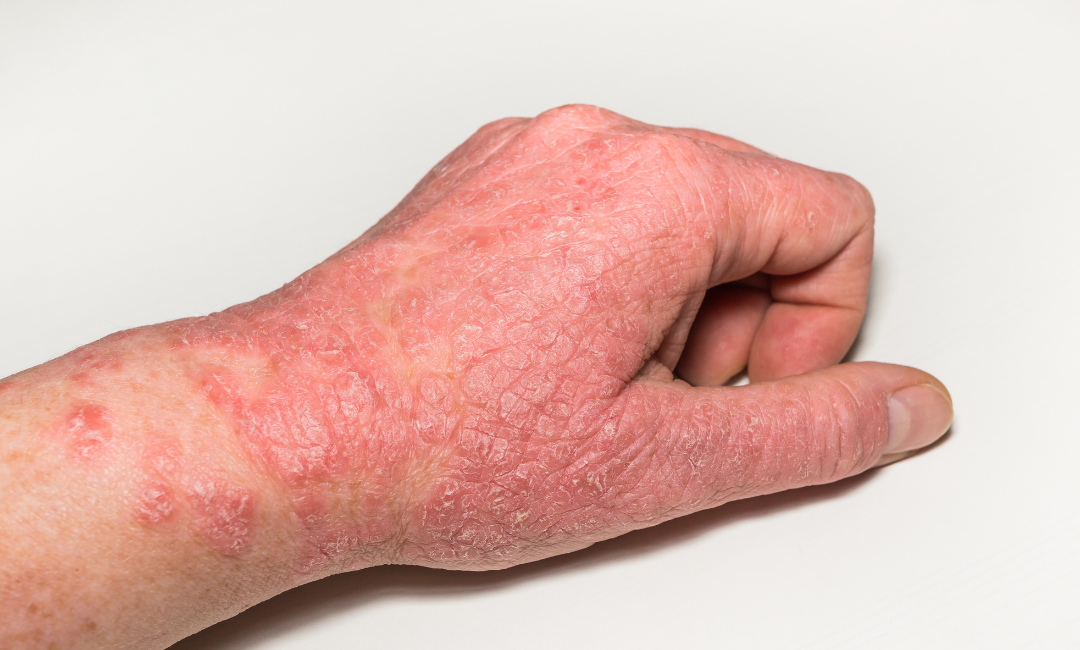
Your immune system with atopic dermatitis operates like a faulty alarm system—triggering massive responses to minor threats. This creates the perfect storm of inflammation that defines various inflammatory skin conditions.
The Two-Phase Attack
- Phase 1: Barrier Breakdown: Your skin barrier dysfunction comes first. Gaps in your skin’s protective layer let irritants penetrate deeper than they should. This isn’t just dry skin—it’s structural failure at the cellular level.
- Phase 2: Immune Overreaction: Once irritants breach that barrier, your immune system floods the area with inflammatory cells. Unlike autoimmune disorders, where antibodies attack tissue, eczema triggers an allergic reaction-style response. Your T-cells release cytokines (inflammatory proteins) that cause:
- Intense itching
- Redness and swelling
- Thickened, inflamed skin
- Increased risk of skin infections
The Vicious Cycle
Scratching itchy skin damages your barrier more, letting in more irritants, triggering more skin inflammation. The National Eczema Association calls this the “itch-scratch cycle”—and breaking it requires addressing both the immune response and barrier repair.
Research shows people with eczema have elevated IgE antibodies (the allergy kind) but lack the self-attacking antibodies found in true autoimmune conditions.
Why It’s Different from True Autoimmune Conditions
Understanding why eczema isn’t autoimmune helps explain why certain treatments work—and others don’t.
The Antibody Test
True autoimmune disorders produce specific autoantibodies that you can measure in blood tests. Conditions like lupus or inflammatory bowel disease leave clear markers. When doctors diagnose eczema, they won’t find these telltale antibodies. Instead, they see:
- Elevated IgE (allergy antibodies)
- High eosinophils (allergy-fighting cells)
- Increased inflammatory markers
- No tissue-attacking antibodies
Response Patterns
Autoimmune diseases:
- Attack specific organs systematically
- Continue damaging tissue even without triggers
- Require immunosuppression to stop progression
- Often affects multiple body systems
Eczema:
- Responds to environmental factors
- Improves when triggers are removed
- Benefits from barrier repair
- Stays localized to the skin (though you might have related allergic conditions)
Treatment Implications
This distinction explains why someone with contact dermatitis might clear up completely by avoiding triggers, while someone with psoriasis (which is autoimmune) needs ongoing systemic treatment.
Is eczema contagious, like some feared? No. Can you develop eczema from someone else? Never. It’s your individual immune programming responding to your environment—not an attacking immune system or infectious agent.
The Genetic and Environmental Triggers
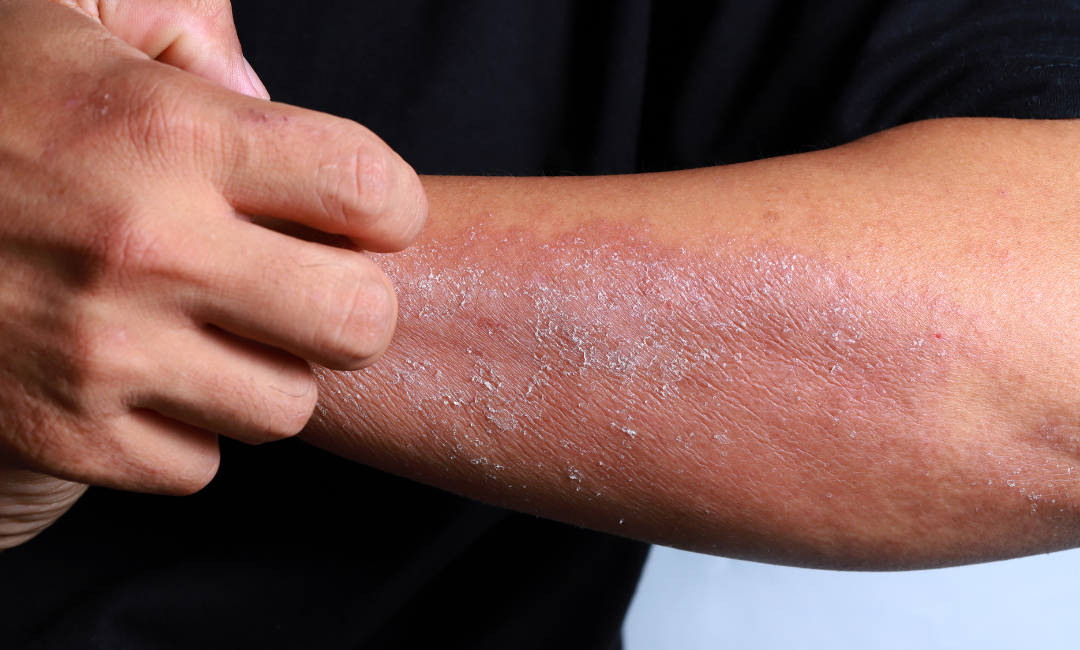
Why do some people develop eczema while others don’t? It’s a loaded genetic gun that environmental factors pull the trigger on.
The Genetic Blueprint
About 70% of people with eczema have a family history of atopic conditions. The main culprit: mutations in the filagrин gene (FLG), which helps build your skin barrier. Without proper filagrин, your skin can’t keep moisture in or irritants out.
But genetics alone don’t seal your fate. Identical twins have only a 75% chance of both having eczema—proof that environment matters.
Environmental Landmines
Common triggers that cause eczema flare-ups include:
External irritants:
- Harsh soaps and detergents
- Synthetic fabrics
- Extreme temperatures
- Low humidity (winter eczema flares are real)
Internal triggers:
- Food allergies (especially in children)
- Stress and poor sleep
- Hormonal changes
- Infections that activate the immune response
Modern life factors:
- Over-sanitization (the “hygiene hypothesis”)
- Indoor allergens (dust mites, pet dander)
- Air pollution
- Chemical exposure in personal care products
Skin Tone Considerations
Eczema symptoms present differently across skin tones. On light skin tone, you’ll see classic red patches. Dark skin tones might show purple, gray, or darker brown patches. Seborrheic dermatitis and other skin conditions can be harder to distinguish on darker skin, leading to delayed eczema diagnosis.
Prevention strategies that work:
- Keep skin moist with fragrance-free moisturizers
- Identify and avoid your specific triggers
- Maintain consistent room temperature
- Choose sensitive skin products
- Address stress before it triggers inflammation
At Natura Dermatology, we help patients map their unique trigger patterns through comprehensive testing and careful tracking of eczema flares.
Treatment Approaches Based on Immune Involvement
Since eczema isn’t truly autoimmune, bombarding your system with heavy immunosuppressants misses the mark. Modern treatment targets both the overactive immune response and the broken barrier that started everything.
The Layered Approach
Layer 1: Barrier Repair
Before addressing inflammation, rebuild what’s broken:
- Ceramide-rich moisturizers (applied to damp skin)
- Gentle, pH-balanced cleansers
- Prescription barrier creams with lipid technology
Layer 2: Targeted Immune Modulation
Instead of suppressing your entire immune system, newer treatments target specific inflammatory pathways:
- Topical calcineurin inhibitors: Block T-cell activation without steroids
- JAK inhibitors: Interrupt the inflammatory cascade at its source
- Biologics (Dupixent): Block specific interleukins causing inflammation
Treatment Intensity Scale
| Severity | First Line | Second Line | Advanced Options |
|---|---|---|---|
| Mild | Moisturizers + trigger avoidance | Topical steroids (short-term) | Phototherapy |
| Moderate | Prescription barriers + topical immunomodulators | Systemic antihistamines | Dupilumab injections |
| Severe | All above + wet wrap therapy | Oral immunosuppressants | JAK inhibitors (Rinvoq) |
Why Standard Autoimmune Drugs Often Fail
Medications like methotrexate or azathioprine—workhorses for true autoimmune conditions—show mixed results for eczema. They suppress your whole immune system when you really need targeted intervention at the skin level.
The game-changer: understanding your specific immune dysfunction helps predict which treatments work. Someone with high IgE might respond better to Dupixent, while those with primarily barrier dysfunction need intensive moisturization first.
When to Suspect Autoimmune Overlap
Sometimes eczema isn’t traveling alone. About 25% of people with atopic dermatitis develop additional autoimmune conditions—a phenomenon called “atopic march” evolving into autoimmune overlap.
Red Flags for Autoimmune Development
Watch for symptoms beyond typical eczema:
- Joint pain or swelling (not just dry skin around joints)
- Persistent fatigue exceeding what eczema alone causes
- Digestive issues suggesting inflammatory bowel disease
- Hair loss in patches
- Butterfly rash across cheeks and nose
- Photosensitivity beyond normal eczema triggers
Common Autoimmune Companions
People with eczema have higher rates of:
- Alopecia areata: 2x higher risk
- Vitiligo: Shared genetic factors
- Celiac disease: 3x increased likelihood
- Rheumatoid arthritis: Especially with adult-onset eczema
- Thyroid disorders: Particularly Hashimoto’s
Testing for Overlap
If you suspect autoimmune involvement, specific tests can clarify:
- ANA panel: Screens for various autoantibodies
- Thyroid antibodies: TPO and anti-thyroglobulin
- Celiac panel: Especially with persistent gut issues
- Complete blood count: Checks for autoimmune-related changes
- Inflammatory markers: ESR and CRP levels
Treatment Adjustments
Autoimmune overlap changes the game plan:
- Systemic approach required: Topicals alone won’t cut it
- Careful medication selection: Some drugs treat both conditions
- Specialist coordination: Dermatologist + rheumatologist team
- Enhanced monitoring: Regular labs to track both conditions
Warning signs to see a specialist immediately:
- Sudden eczema onset after age 40
- Eczema resistant to all standard treatments
- Systemic symptoms accompanying skin issues
- Family history of multiple autoimmune conditions
At Natura Dermatology, Dr. Richardson screens for autoimmune markers when eczema presents atypically. Our comprehensive approach includes collaboration with rheumatologists when overlap conditions emerge, ensuring nothing gets missed.
Get the Right Eczema Diagnosis at Natura Dermatology
So eczema isn’t autoimmune—it’s your immune dysfunction creating chaos without attacking healthy tissue. Understanding this distinction between autoimmune response and immune-mediated inflammation transforms how you manage symptoms and choose treatment options.
Key takeaways:
- Eczema is immune-mediated, not autoimmune
- No tissue-attacking antibodies present
- Barrier repair matters as much as immune control
- Environmental triggers can be controlled
- 25% develop true autoimmune conditions later
- Targeted biologics work better than broad immunosuppression
Natura Dermatology specializes in identifying the exact cause of your eczema through advanced testing and clinical immunology expertise. Whether you need prescription treatments for severe flares or strategies to prevent flare-ups naturally, our providers create personalized plans that address your specific risk factors and immune patterns.
FAQs
What autoimmune disease is associated with eczema?
While eczema itself isn’t autoimmune, people with atopic dermatitis have higher rates of developing alopecia areata, vitiligo, thyroid disorders, and ulcerative colitis. The dysregulated immune functions in eczema may predispose you to autoimmune conditions later.
What is the 3-minute rule for eczema?
Apply moisturizer within 3 minutes of bathing while skin is still damp. This locks in moisture and helps prevent infection by strengthening your barrier. It’s especially critical for managing eczema in children and those with dyshidrotic eczema, causing itchy blisters.
How do you treat eczema in children?
Start with gentle, fragrance-free moisturizers applied twice daily. Identify and avoid triggers like certain foods or irritants. Your primary care provider might prescribe topical steroids for flares. Keep nails short, use lukewarm baths, and maintain consistent routines for mental well-being.
What can cause eczema to flare up?
Common triggers include stress, seasonal allergies, harsh soaps, weather changes, and certain foods. Nummular eczema often flares with dry winter air. Irritated skin from scratching creates scaly patches that trigger more inflammation. Further research shows individual triggers vary significantly between patients.


