

Dealing with persistent irritation down there? It’s a common frustration, but you don’t have to just endure the discomfort of jock itch. Taking the right action brings genuine relief, and we’ll guide you through it.
Here’s your action plan:
- Identifying jock itch correctly.
- Understanding the common causes.
- Discovering treatments for fast relief.
- Learning smart ways to prevent future bouts.
Sometimes skin issues need an expert eye. For folks in South Florida facing stubborn conditions, Natura Dermatology & Cosmetics offers clear diagnosis and personalized care plans. Our experienced providers help you find solutions that work.
What Exactly is Jock Itch (Tinea Cruris)?
Jock itch, known medically as tinea cruris, is a common fungal skin infection. Jock itch tinea cruris primarily affects the skin in your groin area, inner thighs, and sometimes the buttocks. You can think of it as athlete’s foot’s annoying cousin, just located elsewhere.
It’s caused by the same group of fungi, dermatophytes. These tiny organisms thrive in warm, moist places. This makes sweaty skin folds an ideal spot for them to multiply and cause trouble. Jock itch occurs when the fungus infects the skin in these areas, often due to warm and moist conditions.
Common jock itch symptoms usually include:
- An itchy red rash, often starting in the crease of the upper thigh.
- The rash might have a distinct, sometimes raised, border.
- A burning sensation in the affected zone.
- Skin that could appear flaky, peeling, or cracked.
The infection can spread through direct contact with an infected person or by touching an infected surface, such as towels or clothing.
Jock itch rash can spread through close personal contact or sharing contaminated items like towels or workout clothes. While frequently linked to athletes due to sweating, anyone can develop it, particularly in humid conditions.
Why Jock Itch Happens (Causes and Contagion)

Understanding why jock itch pops up helps you prevent it. As we mentioned, it stems from fungi called dermatophytes. These microscopic troublemakers flourish in warm, damp conditions. The fungus that causes jock itch thrives in warm temperatures and moist environments. Your specific habits and environment play a big role.
Key risk factors that encourage fungal growth include:
- Heavy sweating, especially without prompt showering.
- Wearing tight clothing that traps moisture and heat.
- Living in warm, humid climates (hello, Florida!).
- Being overweight, which can mean more skin folds.
- Having a weakened immune system or conditions like diabetes.
- Already having athlete’s foot (tinea pedis).
Improper hygiene, such as not showering after sweating, can also increase the risk of developing jock itch.
The fungus spreads easily. You can get it through direct skin-to-skin contact with someone infected. It also transfers via contaminated objects – think damp towels, unwashed workout gear, or even locker room floors. Jock itch is contagious and can spread through sexual contact or by sharing personal items with an infected person. Treating athlete’s foot promptly is crucial to stop it from spreading to the groin.
Getting the Right Diagnosis
Figuring out if it’s definitely jock itch is step one for effective treatment. Often, a healthcare provider can identify it just by looking at the rash’s typical appearance and location. But looks can be deceiving.
Several other skin conditions can mimic jock itch, like:
- Eczema
- Psoriasis (especially inverse psoriasis in skin folds)
- Yeast infections (candidiasis)
- Erythrasma (a bacterial infection)
If the diagnosis isn’t clear once you tend to get jock itch, or if over-the-counter treatments aren’t working, more investigation might be needed. A simple, painless procedure called a KOH test involves scraping a small skin sample to check for fungi under a microscope. In this test, potassium hydroxide is used to dissolve skin cells, allowing only fungal cells to be observed under a microscope. This confirms the fungal presence.
Getting an accurate diagnosis is vital. At Natura Dermatology & Cosmetics, our experienced providers like Dr. Richardson, Blair Ferguson, and Alexis Jennings routinely diagnose jock itch and other skin conditions common in South Florida. We use visual examination and, when needed, tests like the KOH prep to ensure you get the right treatment plan from the start.
Effective Jock Itch Treatment Options
Once you know it’s jock itch, relief is within reach. Treatment focuses on eliminating the fungus and managing symptoms. Success often combines medication with smart hygiene habits.
Start with these basics:
- Keep the affected area clean and dry. Wash daily and dry thoroughly, especially after exercise. Keeping the skin dry is crucial, as moisture can promote fungal growth.
- Change out of damp clothes or sweaty workout gear immediately.
- Wear loose-fitting underwear and clothing, preferably made of cotton.
Many cases respond well to over-the-counter (OTC) antifungal products. Look for creams, sprays, or powders containing active ingredients like miconazole, clotrimazole, or terbinafine. Follow the package directions carefully, applying for the full recommended time–even if your skin looks better sooner–to prevent recurrence. While some people use rubbing alcohol to stop fungal growth, it can also dry out the skin and cause irritation.
If OTC options don’t clear the rash after a couple of weeks, or if the infection is severe or widespread, you likely need prescription-strength treatment. This might involve stronger topical antifungals or sometimes oral antifungal pills. Effective treatment of tinea infections can cure jock itch, but it’s important to follow the full course of medication to prevent recurrence.
This is where professional help comes in. The team at Natura Dermatology can assess persistent cases and prescribe effective treatments tailored to your situation. We ensure you understand the plan for clearing the infection completely.
Antifungal Medications: Choosing Wisely
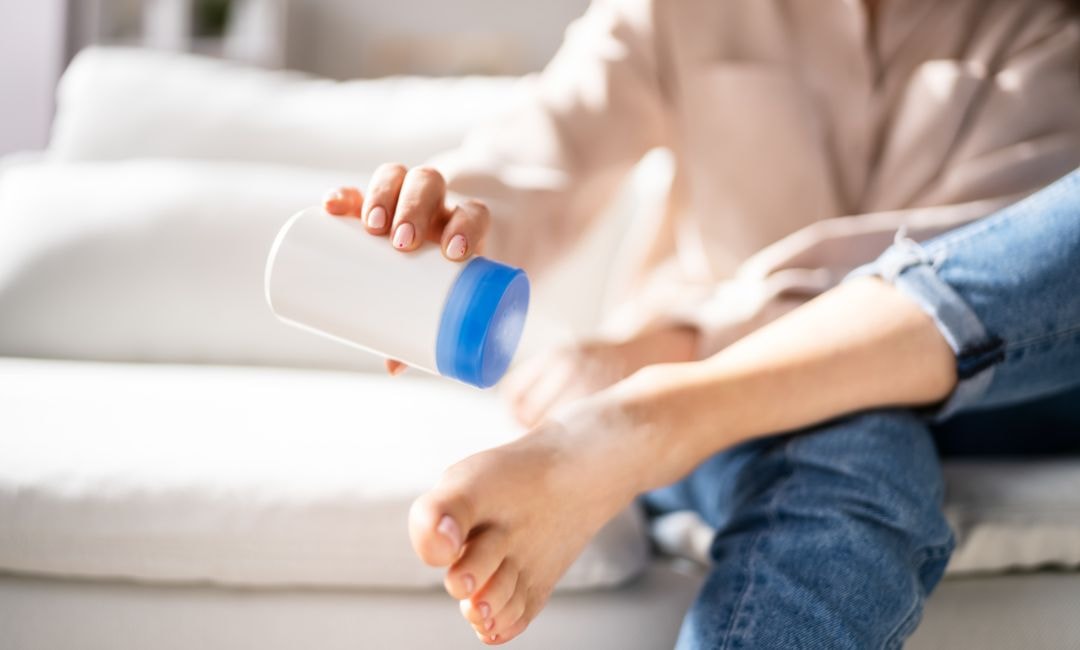
Antifungal medications are the go-to solution for kicking jock itch. You’ve got options, ranging from readily available products to stronger prescription treatments. Knowing which to use, and how, makes a difference.
Over-the-counter (OTC) choices often work well for mild cases. Look for these active ingredients:
- Clotrimazole
- Miconazole
- Terbinafine
- Tolnaftate
For mild jock itch, an antifungal cream containing clotrimazole or miconazole is often effective.
These come as creams, sprays, or powders. Creams are good for contained rashes, while powders help manage moisture.
Pro Tip: Apply a thin layer slightly beyond the rash edge. Critically, you must complete the full treatment course shown on the package, usually 1-2 weeks after the rash clears, to fully eradicate the fungus.
If OTC treatments fail after consistent use, or the infection is extensive, you’ll likely need prescription power. These medications contain more potent antifungal agents or might be oral pills that fight the fungus systemically. Consulting a healthcare provider is necessary for these.
The dermatology experts at Natura Dermatology & Cosmetics can pinpoint the best antifungal strategy for you. We assess if OTC is sufficient or if a prescription is needed, guiding you on proper application and duration for stubborn South Florida cases.
The Athlete’s Foot Connection: A Crucial Link
Here’s something many people miss: jock itch and athlete’s foot are often caused by the same fungus. If you only treat one, the other can easily trigger a recurrence. Think about it – the fungus can travel.
Contact with an infected foot can lead to the spread of the fungus to the groin area, causing jock itch.
How does it spread from the feet to the groin? Easily:
- Touching your infected feet, then your groin area.
- Pulling up underwear or pants over infected feet.
- Using the same towel on your feet and then your groin.
This means you must treat both infections simultaneously if you have them. When dealing with jock itch, always check your feet for signs of athlete’s foot – itching, scaling, redness, especially between the toes. Treat any foot fungus just as diligently as the jock itch.
Simple habits help break the cycle:
- Put your socks on before your underwear.
- Use a separate towel for your feet, or dry your feet last.
- Wash your hands thoroughly after touching your feet.
Treating other fungal infections, such as athlete’s foot, is crucial to prevent the spread of the fungus to other areas.
Recognizing this link is part of effective care. At Natura Dermatology, our providers often examine feet during a jock itch consultation to ensure all contributing factors are addressed for comprehensive treatment.
Complications and When to Seek Medical Attention

One might think, “is jock itch contagious?” Well, if left untreated, jock itch can lead to complications, such as the spread of the infection to other areas of the body, including the feet, hands, and nails. In rare cases, jock itch can also lead to more severe infections, such as cellulitis, which requires immediate medical attention. It’s essential to seek medical care if the symptoms of jock itch persist or worsen over time, or if the infection spreads to other areas of the body.
Several risk factors can increase the likelihood of developing jock itch, including wearing tight-fitting clothes, sweaty clothing, and sharing personal items like towels and clothing. People with weakened immune systems, such as those with diabetes or HIV/AIDS, are also more susceptible to fungal infections, including jock itch. To prevent jock itch, it’s crucial to practice good hygiene, wear clean clothes, and avoid sharing personal items. Treating jock itch promptly can help prevent complications and reduce the risk of spreading the infection to other areas of the body.
In some cases, a doctor may prescribe antifungal pills to treat jock itch, especially if the infection is severe or persistent. It’s essential to follow the doctor’s instructions and complete the full course of treatment to ensure that the infection is fully cleared. With proper treatment and self-care, jock itch can be cured, and the risk of complications can be reduced. However, if the symptoms persist or worsen over time, it’s essential to seek medical attention to prevent further complications.
Preventing Jock Itch Recurrence
Once you’ve cleared up jock itch, you want it gone for good. Prevention focuses on keeping the groin area clean, dry, and unfriendly to fungi. It’s all about consistent habits.
Adopt these prevention strategies:
- Stay Clean and Dry: Wash your groin area daily with soap and water. Dry thoroughly with a clean towel, paying extra attention to skin folds.
- Change Clothes Promptly: Swap out damp or sweaty underwear and workout clothes immediately after exercise or heavy sweating. Change underwear at least daily.
- Choose Breathable Fabrics: Opt for loose-fitting clothing whenever possible. Select underwear made of cotton or moisture-wicking synthetic materials. Wearing cotton underwear helps keep the area dry and reduces the risk of fungal growth.
- Practice Smart Hygiene: Don’t share towels, clothing, or personal items. Wash workout gear after every use.
- Manage Moisture: If you’re prone to sweating or recurrence, consider using an antifungal powder daily in the groin area to absorb moisture. Avoid using antibacterial soap, as it can irritate the skin and is not effective against fungal infections.
- Don’t Forget Your Feet: Keep feet clean and dry. Treat any signs of athlete’s foot right away to prevent the spread.
Maintaining these habits significantly cuts your risk. If jock itch keeps returning despite these efforts, there might be an underlying factor worth discussing with dermatology experts, like the team at Natura, to explore other potential causes or more advanced prevention tactics.
Ready to Find Lasting Jock Itch Relief with Natura Dermatology?
Dealing with jock itch is frustrating, but you can find effective relief and prevent it from returning. Understanding the condition—what causes it, how it spreads, and how to treat it properly—puts you back in control of your skin’s comfort and health.
Key takeaways to remember:
- Jock itch (tinea cruris) is a specific fungal infection.
- Keeping the groin area clean and, most importantly, dry is crucial.
- Use antifungal treatments correctly, completing the full course even if symptoms fade.
- Always check for and treat athlete’s foot simultaneously.
- Consistent prevention habits are your best defense against recurrence.
If jock itch persists despite your best efforts, or keeps coming back, professional guidance makes all the difference. The experienced providers at Natura Dermatology & Cosmetics specialize in accurate diagnosis and effective treatment plans, helping South Florida residents finally resolve stubborn skin conditions like tinea cruris.
FAQs About Jock Itch
What kills jock itch fast?
Antifungal medications directly target the fungus causing jock itch. Over-the-counter creams or sprays with terbinafine or clotrimazole often work well. For faster or more stubborn cases, prescription-strength topicals or oral medications prescribed by a healthcare provider, like the experts at Natura Dermatology, are typically needed. Consistent application is key.
What is mistaken for jock itch?
Several conditions can look similar, including yeast infections (candidiasis), inverse psoriasis, eczema, bacterial infections like erythrasma, or even simple chafing. Because treatments differ, getting an accurate diagnosis is important. If you’re uncertain, seeing a dermatology professional can provide clarity.
Is my jock itch an STD?
No, jock itch is not a sexually transmitted disease (STD). It’s a fungal infection caused by dermatophytes. While this itchy rash can spread through close skin-to-skin contact or sharing contaminated items like towels, it’s fundamentally a skin condition, not one transmitted primarily through sexual activity.
Will jock itch go away on its own?
It’s unlikely for most cases of jock itch to resolve completely without treatment. While improving hygiene might help very mild situations, the underlying fungus usually requires antifungal medication to be eliminated. Ignoring it often allows the rash to persist, worsen, or spread.


