

You just dropped serious cash on laser hair removal, and now your friend’s planning a beach day. Can you go? Jumping into sunshine too soon after treatment is like undoing all that smooth-skin progress you just paid for. We’re talking burns, dark spots, and even scarring.
Here’s what we’ll cover:
- The exact timeline for safe sun exposure post-treatment
- Why UV rays become your enemy after laser sessions
- Smart protection strategies that actually work
- What happens if you break the rules
- Whether sun exposure increases cancer risk
We’ve seen it all at Natura Dermatology in Fort Lauderdale – from perfect results to sun-damage disasters. Our laser specialists have helped thousands navigate post-treatment care, so you get real advice that works. Plus, we’ll share exactly what our patients use to protect their investment.
The 48-Hour Rule You Can’t Break
Here’s your golden timeline: Stay out of direct sun for at least 48 hours after laser hair removal. But that’s just the bare minimum. Most dermatologists recommend playing it safe for 7-14 days, especially if you’ve got darker skin or treated sensitive areas like your face.
Think of your skin like a fresh wound right now. The laser just zapped your hair follicles with intense heat, leaving your skin vulnerable and raw underneath – even if it looks fine on the surface.
Post-Treatment Sun Timeline:
- Days 1-2: Absolutely no sun. Period.
- Days 3-7: Brief exposure only (under 10 minutes) with SPF 50+
- Week 2: Normal activities with religious sunscreen application
- Week 3+: Back to regular sun habits (with protection)
Got a vacation planned? Our patients at Natura typically schedule their laser treatments at least two weeks before any beach trips. One client learned this the hard way – she hit the pool three days post-treatment and ended up with leopard-print hyperpigmentation that took months to fade.
Pro tip: Indoor tanning beds count as sun exposure. Actually, they’re worse because they deliver concentrated UV rays. Skip them completely during your treatment cycle.
Why Your Skin Hates UV After Laser Hair Removal Treatments
Your laser hair removal session just destroyed hair follicles using concentrated light energy. Now your treated skin is basically having an identity crisis – it can’t tell the difference between helpful laser light and harmful UV rays.
The laser heats up melanin in your unwanted hair to about 70°C (that’s 158°F). Your skin’s natural defense system goes haywire, making it hypersensitive to any light source. Add direct sun exposure to this mix? You’re asking for trouble.
The science breakdown:
- Laser-treated cells are busy healing and can’t protect against UV
- Your melanin production goes into overdrive when hit with the sun
- Blood vessels near the surface dilate, increasing burn risk
- Natural SPF barriers are temporarily compromised
Think about it – we tell you to avoid sun exposure because your skin literally can’t handle the double assault. After multiple laser hair removal treatments, this sensitivity compounds. One patient came to us with what looked like a permanent tan line after ignoring advice to limit sun exposure between sessions.
The kicker? This vulnerability lasts throughout your entire treatment cycle. So if you’re getting sessions every 4-6 weeks, you’re looking at months of being extra careful. Worth it for those laser hair removal results? Absolutely. But only if you follow the rules.
Smart Protection Strategies That Actually Work
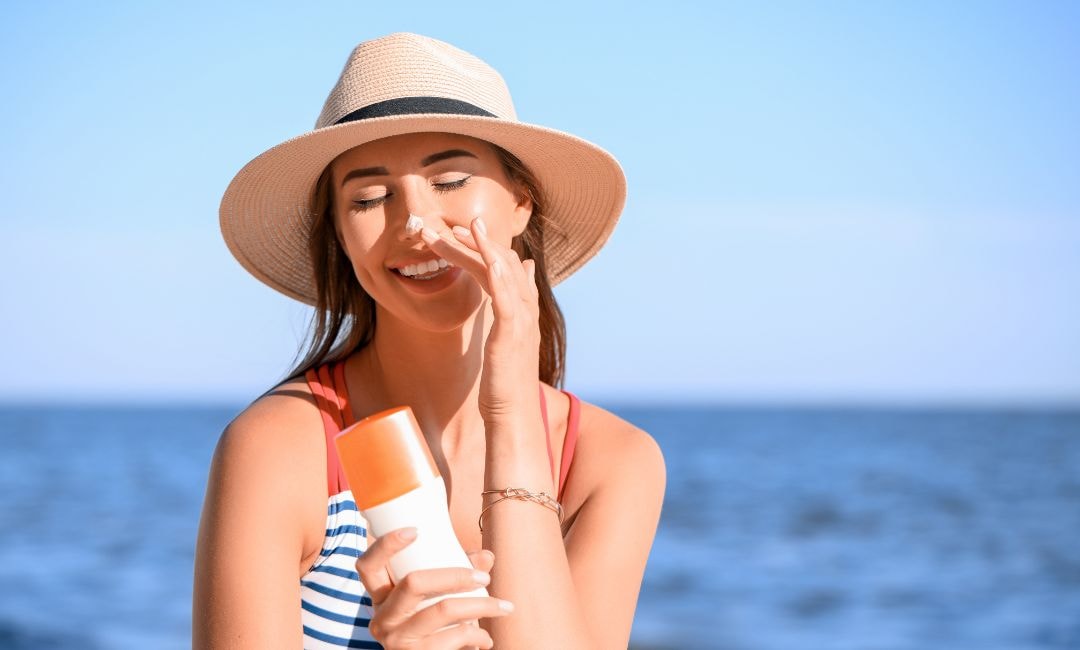
Keeping your skin healthy after laser means getting creative with sun protection. We’re not just talking slapping on some SPF 30 and calling it a day.
Your arsenal for skin-safe recovery:
- Mineral sunscreen SPF 50+ on your treated area (zinc oxide or titanium dioxide only)
- Protective clothing that actually blocks UV – think UPF-rated fabrics
- Wide–brimmed hats for facial treatments (baseball caps don’t cut it)
- Strategic timing – avoid peak hours when UVB rays are strongest (10 am-4 pm)
Physical barriers trump chemical ones. Our patients with sensitive skin swear by silk scarves and lightweight long sleeves over constantly reapplying sunscreen. One regular even bought UV-blocking window film for her car after treating her arms.
Don’t forget to avoid tanning beds entirely – they’re concentrated UV bombs that’ll turn your treated areas into sunburnt skin faster than you can say “hyperpigmentation.” If you’re regularly exposed to direct sunlight for work, consider scheduling treatments during winter months.
Quick patch test trick:Not sure if your sunscreen provides adequate protection? Apply it to a small area and check after 15 minutes in the sun. Any redness = find stronger protection.
At Natura, we stock medical-grade sunscreens specifically formulated for post-laser treatment care. They’re pricier than drugstore brands but actually stay put when you sweat – crucial for Florida’s humidity.
What Happens If You Break the Rules
Ignoring sun safety after laser doesn’t just risk a bad sunburn – it can completely sabotage your treatment area and kiss those optimal results goodbye.
The ugly truth about UV exposure:
- Hyperpigmentation: Dark patches that last 6-12 months (or forever)
- Hypopigmentation: White spots where melanin gets fried
- Blistering: Second-degree burns on extra-sensitive skin
- Scarring: Permanent texture changes from further damage
- Treatment failure: Hair grows back darker and thicker
Both UVA and UVB rays penetrate deeper into laser-treated skin. In our hotter climate here in South Florida, we see the worst cases. One patient decided to avoid sunbathing but forgot about reflected UV at the beach – her bikini area developed a leopard-print pattern that took eight months to fade.
The irony? You spent good money to get rid of hair, only to create new problems that cost even more to fix. Those Instagram-worthy beach pics aren’t worth undoing months of progress.
Reality check:Even “just 10 minutes” of unprotected exposure can trigger these reactions. We’ve treated burns from quick trips to the mailbox. Your skin doesn’t care if you were “just running errands” – UV damage happens in seconds, not hours.
Does Sun Exposure After Laser Increase Cancer Risk?

No, laser hair treatment itself doesn’t cause cancer. But here’s the catch – sun exposure on compromised skin absolutely increases your risk factors.
Your post-laser skin loses its natural UV defense for weeks. Without proper protection, you’re essentially giving harmful rays a VIP pass to damage your DNA. Studies show that just one blistering sunburn doubles your melanoma risk – and laser-treated skin burns way easier.
The facts:
- Laser wavelengths are different from cancer-causing UV radiation
- Your skin’s repair mechanisms are busy healing follicles, not fighting sun damage
- Cumulative UV exposure on vulnerable skin compounds long-term risks
- Protected skin shows zero increased cancer risk from treatments
The best course to preserve results AND your health? Sunscreen reapplication every two hours when outdoors, no exceptions. Our complete guide for post-laser care emphasizes this isn’t paranoia – it’s smart prevention.
Smooth Skin, Smart Choices with Natura Dermatology
Sun protection after laser isn’t optional – it’s the difference between flawless results and expensive regrets. Your investment deserves better than UV damage ruining months of progress.
Key takeaways:
- Wait 48 hours minimum before any sun exposure
- Use SPF 50+ mineral sunscreen on treated areas
- Physical barriers (clothing, hats) beat chemical protection
- Peak UV hours (10am-4pm) are your enemy
- One bad burn can trigger permanent hyperpigmentation
Ready to start your laser journey safely? At Natura Dermatology, we don’t just zap and send you home. Our team creates personalized sun-protection protocols based on your skin type, lifestyle, and treatment areas. We’ll even time your sessions around your vacation schedule.
Book your consultation today and get our exclusive post-treatment care kit – because smooth, protected skin is always the goal.


