

Acne scars sticking around long after the breakout? You’re not alone, and wanting smoother skin is completely normal. But faced with microneedling vs. laser, the best path isn’t always clear. Which one truly delivers results for scars?
Here’s what we’ll cover to help you decide:
- How microneedling stimulates skin repair for scars
- The science behind laser resurfacing techniques
- Direct comparison: Effectiveness on different acne scar types
- What to expect: Downtime, side effects, and comfort levels
- Making the smart choice based on your skin and goals
At Natura Dermatology & Cosmetics, we see the confidence boost clear skin brings every day. We offer expert microneedling and advanced laser therapies right here in South Florida. Let our experienced team help you find the most effective treatment for your skin.
How Microneedling Collagen Induction Therapy Stimulates Skin Repair for Scars
Think of microneedling as a wake-up call for your skin’s natural repair systems. It’s a technique designed to specifically address texture issues like acne scars by encouraging your skin to rebuild itself, from the inside out.
The process uses a specialized device with tiny needles. These needles create tiny, controlled punctures in the top layers of your skin. This action triggers your body’s natural healing process – think of it as activating a natural regeneration process.
This is known as percutaneous collagen induction, a method that promotes collagen and elastin production through microscopic punctures in the skin.
This healing cascade has a few key phases. Initially, your skin ramps up production of growth factors. Then comes the crucial part for scars: generating new collagen and elastin. These proteins are fundamental for skin structure, strength, and smoothness.
Essentially, microneedling prompts your skin to replace old, damaged collagen within the scar tissue with fresh, healthy collagen. For depressed or atrophic acne scars, this new collagen helps to physically fill in the indentations, leading to a smoother skin surface over time. It can also effectively address minor scarring.
- The Goal? Trigger-controlled healing to remodel scar tissue naturally.
At Natura Dermatology & Cosmetics, we utilize precise microneedling techniques. Our experienced providers tailor the treatment depth to effectively target your unique scar type, maximizing the skin’s regenerative response for visible improvements.
The Science Behind Laser Resurfacing Techniques
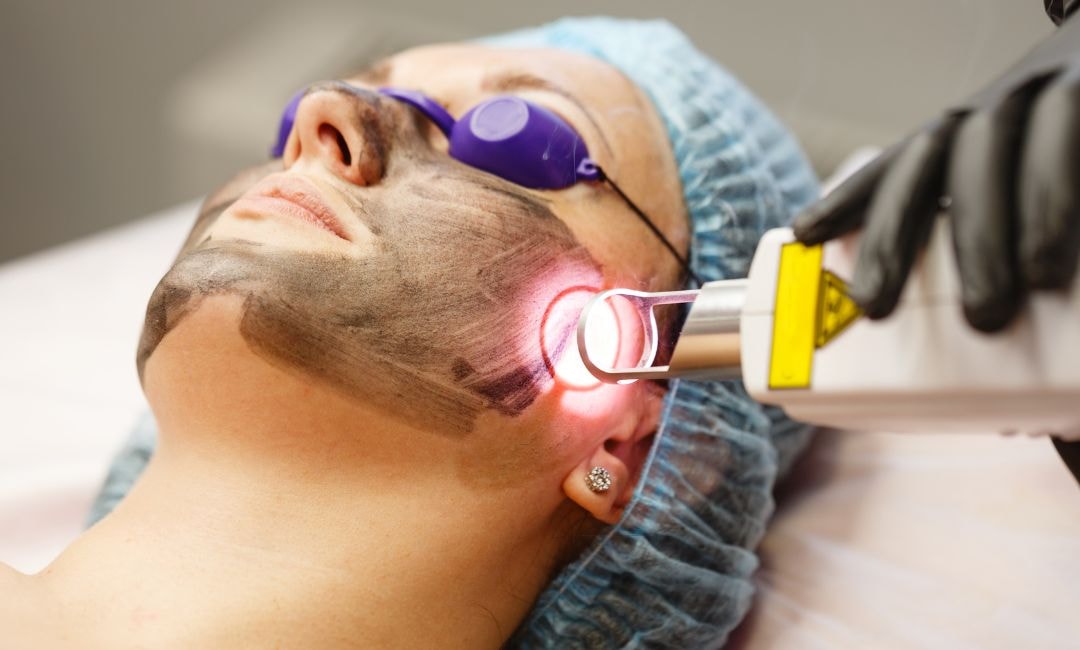
Laser resurfacing uses a completely different tool: a laser device. Instead of physical needles, lasers carefully direct beams of light onto the skin to induce collagen production. This light energy converts to heat exactly where it’s needed, targeting the deeper skin layers to trigger skin renewal and improve scar appearance.
The core idea involves using this controlled heat to interact with skin tissue. Depending on the specific laser, the energy targets the water within the skin cells or the pigment itself. This interaction kicks off a repair process. There are two main types of lasers used for resurfacing:
- Ablative Lasers: These are the power washers of the laser world. They work by precisely vaporizing the outermost thin layers of damaged skin. This controlled removal prompts a significant healing response, forcing the skin to generate fresh, smooth tissue with lots of new collagen. Think CO2 or Erbium lasers.
- Non-Ablative Lasers: These lasers are more subtle. They work under the skin’s surface, heating the deeper dermal layers without removing the top layer. This heat still stimulates substantial collagen growth, gradually improving texture and scars from below, often with less recovery time.
Both ablative and non-ablative laser techniques aim to reduce scar visibility. They either remove the scarred surface directly or build new collagen to plump and smooth the skin from beneath. Lasers’ precision allows for targeted treatment of affected areas.
Direct Comparison: Effectiveness on Acne Scar Types
So, which one actually works better for clearing those scars? The honest answer: it depends heavily on the kind of acne scars you have and the specific skin issues you are dealing with. Not all scars form the same way, so treatments interact with them differently. Let’s look at the common types.
| Scar Type | Microneedling Effectiveness | Laser Effectiveness (Ablative / Non-Ablative) | Key Considerations |
|---|---|---|---|
| Ice Pick (Deep, narrow) | Moderate | Good to Excellent (Ablative often needed for depth) | Very challenging; may require multiple sessions or combined therapies |
| Boxcar (Wider, defined edges) | Good | Good to Excellent (Ablative/Fractional effective) | Both are solid options; Lasers good for edges, MN builds volume |
| Rolling (Wave-like texture) | Excellent (Frequently recommended) | Good | Needs broad collagen stimulation below; Microneedling excels here |
Acne scars mainly fall into these categories:
- Ice Pick Scars: Think deep, narrow, V-shaped pits. These are notoriously tough. Deep ablative lasers often have an advantage here, as they can reach further down to remodel the tissue. Microneedling can stimulate collagen in the area, but might require many sessions or combination approaches for significant results.
- Boxcar Scars: These are wider, boxy depressions with more defined edges. Good news – both microneedling and laser resurfacing (ablative or fractional non-ablative) can be quite effective. Lasers might be better at smoothing sharp edges, while microneedling is great for building volume from below.
- Rolling Scars: These create a wave-like or uneven texture across the skin surface. Microneedling frequently yields excellent results for rolling scars. Its ability to trigger broad collagen production beneath the surface helps lift and smooth these undulations effectively. Lasers can also help, but microneedling is often a first consideration.
- Raised Scars (Hypertrophic/Keloid): Quick clarification: Standard microneedling and the resurfacing lasers we’re discussing are typically not the primary choice for raised, thick scars. These often need different strategies, like steroid injections or specific vascular lasers.
Skin discoloration is another concern that can be effectively treated with both methods, promoting healthier skin cells and improving overall skin quality.
Lingering Color Issues: Sometimes acne leaves behind red or brown marks (post-inflammatory erythema or hyperpigmentation) alongside textured scars. Certain non-ablative lasers are particularly good at targeting these pigment issues, which might be treated separately or concurrently.
Combining both microneedling and laser resurfacing can lead to improved results for various skin issues. Using both methods can address different aspects of scarring and skin texture, providing a more comprehensive treatment approach.
Getting the best results starts with accurately identifying your scar types. During a consultation at Natura Dermatology & Cosmetics, our skilled providers carefully assess your skin. We’ll explain why microneedling, a specific laser, or maybe even a combination plan is the most promising route for your unique scarring pattern.
Ideal Candidates
The ideal candidates for microneedling and laser treatments are individuals seeking to improve the appearance of their skin. Those with acne scars, fine lines, and uneven skin tone can benefit from these treatments. However, it’s essential to note that microneedling is generally more suitable for darker skin tones, while laser therapy may be more effective for lighter skin tones.
Moreover, individuals with active infections, bacterial skin infections, or severe acne scarring may need to consider alternative treatment options. A consultation with a medical provider is necessary to determine the best course of treatment for individual deeper skin concerns and skin types.
What to Expect: Downtime, Side Effects, Comfort
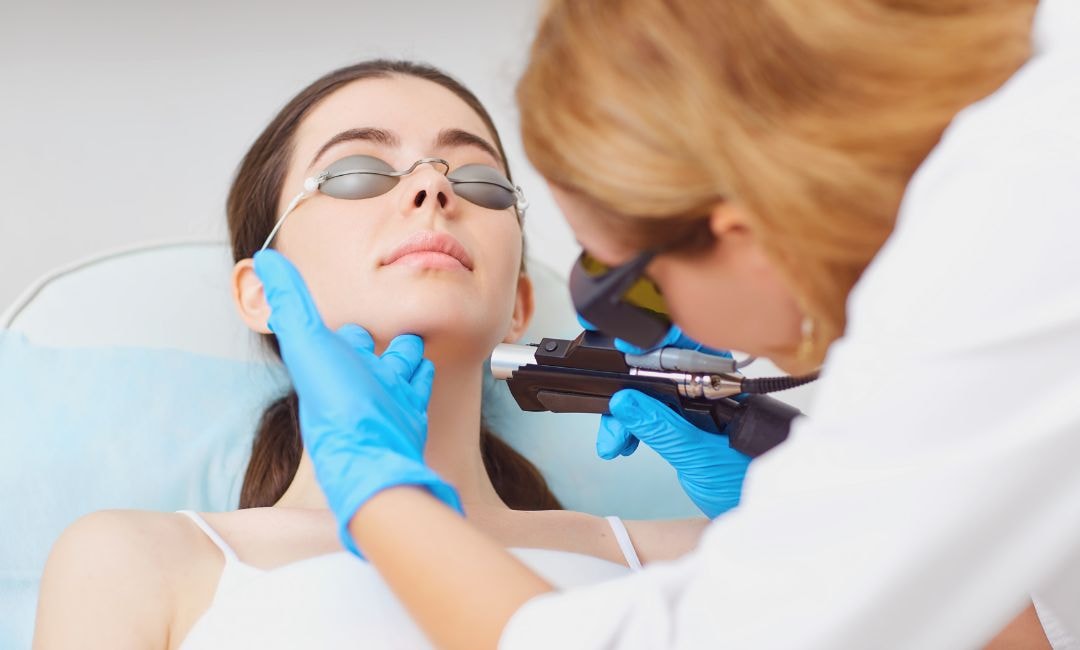
Understanding the recovery process and comfort level helps you plan accordingly. Here’s a realistic look at what happens during and after microneedling versus laser resurfacing. Higher skin sensitivity can be a potential side effect of combining these treatments, so it’s important to consult with a qualified professional.
| Feature | Microneedling | Non-Ablative Laser | Ablative Laser |
|---|---|---|---|
| Typical Comfort (w/ numbing) | Generally Tolerable (Vibration/Sandpaper feel) | Manageable (Warm snaps/prickling feel) | Intense (Requires strong numbing, cooling, etc.) |
| Common Side Effects | Redness, Mild Swelling (lasts ~1-3 days), Possible Minor Flaking | Redness, Swelling (lasts ~3-7 days), Peeling/Rough Texture | Significant Redness, Swelling, Oozing, Crusting, Peeling |
| Estimated Downtime | Minimal Social Downtime (Maybe 1-3 days) | Moderate Social Downtime (Few days to 1 week) | Significant Downtime (1-2+ weeks healing at home) |
Microneedling Experience:
- Comfort: Most people find microneedling quite tolerable. We typically apply a strong topical numbing cream beforehand, which significantly dulls the sensation. You might feel a slight vibration or a sensation like fine sandpaper moving across your skin.
- Common Side Effects: Think of a mild to moderate sunburn. You’ll likely see redness and some swelling right after, which usually subsides substantially within 1 to 3 days. Pinpoint bleeding during the procedure is normal and stops quickly. Some light peeling or flakiness might occur a few days later as the skin renews.
- Typical Downtime: Generally, very little “true” downtime. Most individuals feel comfortable returning to work or social activities the following day, although your skin will still be pink. You’ll need to be strict about sun protection. Makeup can usually be applied 24-48 hours post-treatment.
Laser Resurfacing Experience: This is where things differ significantly based on the laser type:
- Comfort: Non-ablative lasers often feel like tiny hot snaps or rubber band flicks; numbing cream makes this manageable. Ablative lasers are considerably more intense. They require thorough numbing and skin cooling methods during treatment, and sometimes additional comfort measures are discussed beforehand.
- Common Side Effects:
- Non-Ablative: Expect redness and swelling similar to microneedling, possibly lasting a few days longer. Some peeling or a temporary rough texture is common as collagen rebuilds, leading to tighter skin.
- Ablative: Prepare for significant recovery. Intense redness, swelling, potentially oozing, and subsequent crusting are expected parts of the healing process for the first 5-10 days. Peeling follows. Diligent wound care is essential to prevent infection or pigment changes. Pinkness can last for weeks or even months.
- Typical Downtime:
- Non-Ablative: Usually requires a few days to a week of “social downtime” where redness/swelling is noticeable.
- Ablative: Plan for 1 to 2 weeks (sometimes more) of dedicated healing time at home. Activity modification is needed during this phase.
Microneedling generally involves a faster, less intense recovery. Lasers range from a slightly longer recovery than microneedling (non-ablative) to a much more involved healing period (ablative). Both treatments are effective for skin tightening, helping to achieve smoother and firmer skin.
Critical Point: Following aftercare instructions precisely is non-negotiable for both treatments, but it’s especially important after laser resurfacing to support healing and minimize risks.
At Natura Dermatology & Cosmetics, your comfort and safe recovery are paramount. We thoroughly explain what to expect, provide effective numbing options, and give you clear, step-by-step aftercare guidance specifically for your procedure. We’re here to support you through the entire process.
Ready to Make the Smart Choice for Your Skin and Goals?
So, how do you choose the best fit for your skin, knowing how each treatment works, its effectiveness, and the recovery involved? This guide helps point you in the right direction, but getting a definitive answer for your specific skin concerns really comes down to a professional assessment.
For rejuvenation goals, microneedling and laser skin resurfacing are popular choices. These procedures address texture issues like scars, stretch marks, and even mild skin laxity. Each method effectively stimulates collagen production, promoting healthier, firmer skin cells. More intensive options, like ablative laser resurfacing therapy, offer powerful renewal but require careful consideration. Ultimately, expert guidance helps match the right treatment to your unique needs.
Consider Microneedling If:
- Your main targets are rolling scars or mild-to-moderate boxcar scars.
- You’re looking for overall improvement in skin texture and a natural collagen boost.
- Minimal downtime is a priority; you need to bounce back quickly (1-3 days social downtime).
- You generally prefer treatments with fewer potential side effects and a gentler recovery.
- Budget per session is a key factor (microneedling sessions are often less expensive than laser).
- You have darker skin, as microneedling often carries a lower risk of pigmentation issues compared to some improperly used lasers (though expert laser selection is key for safety on all skin tones).
Consider Laser Resurfacing If:
- You need to tackle deep ice pick scars or more severe, sharply defined boxcar scars (Ablative lasers often considered here).
- You’re aiming for potentially more dramatic textural changes, possibly in fewer sessions, and you can manage the required recovery time (especially Ablative).
- You also want to address other concerns like significant sun damage, wrinkles, or uneven tone alongside the scars.
- You have the flexibility for longer downtime – ranging from a week (Non-Ablative) to several weeks of significant healing (Ablative).
- Persistent red or brown spots from past acne are also a primary issue (certain Non-Ablative lasers excel at targeting pigment).
Don’t Forget Combination Therapy: Sometimes, the most effective approach isn’t just one or the other. We might recommend alternating treatments or using different techniques for different types of scarring on your face.
The path to smoother skin is unique for everyone. At Natura Dermatology & Cosmetics, our experienced providers don’t just offer treatments; we create personalized strategies. We’ll analyze your specific scar types, discuss your goals and lifestyle, and recommend the approach—microneedling, laser, or a combination—that truly aligns with your needs.
Ready to find out your best option? Schedule a consultation with our Fort Lauderdale team today.
Frequently Asked Questions
Is laser better than microneedling?
Neither is automatically superior. The best choice depends on your specific scars, goals, and available recovery time. Lasers can be more powerful; microneedling usually has less downtime.
What is the downside of microneedling?
Mainly, you’ll likely need multiple sessions for optimal results, and you can expect temporary redness and swelling for about 1-3 days after treatment.
Is laser or microneedling better for large pores?
Both can help reduce the look of large pores by building collagen. Microneedling is often a good starting point with minimal downtime; certain lasers are also effective.
Should I get IPL or microneedling?
They target different issues primarily. IPL addresses color problems like sun spots or redness. Microneedling addresses texture, such as scars and pores. Choose based on your main concern.
Is laser better than microneedling for wrinkles?
Laser resurfacing often yields more significant improvement for deeper wrinkles. Microneedling is great for finer lines and improving texture with less downtime. Both work by boosting collagen.


