

Facing skin cancer can be scary, and then you have to figure out how to pay for treatment like Mohs surgery. Don’t worry. We’ve got you covered. This post breaks down everything you need to know about Mohs surgery costs so you can focus on getting better and not stress about finances.
Here’s the deal:
- We’ll explore the average costs of Mohs surgery.
- We’ll uncover the factors that influence those costs.
- And we’ll even decode how insurance coverage plays a role.
At Natura Dermatology & Cosmetics, we believe in clear communication and empowering our patients. We’re here to help you understand your options and make informed decisions about your skin health journey.
What Is Mohs Surgery
Mohs surgery is a specialized procedure for removing skin cancer. It’s like a microscopic treasure hunt, where the surgeon removes thin layers of skin and examines them under a microscope until all the cancer cells are gone. This precise approach ensures the highest chance of cure while preserving as much healthy tissue as possible.
Consider it as a highly targeted approach to skin cancer removal. Instead of just taking out a large chunk of tissue and hoping for the best, Mohs surgery allows the surgeon to pinpoint the exact location and extent of the cancer, minimizing scarring and maximizing your chances of a successful outcome.
What’s the Typical Cost of Mohs Surgery?
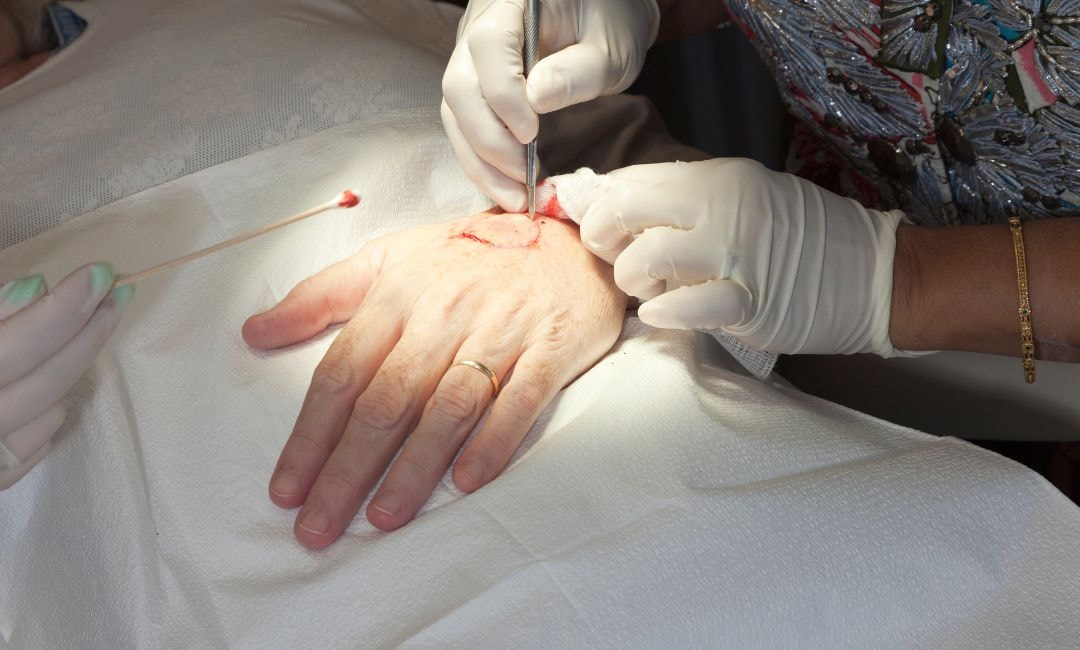
Generally, you can expect Mohs micrographic surgery to cost somewhere between $2,000 and $5,000. But hey, we know that’s a pretty wide range. That’s because the final price depends on your unique situation and a few other key factors (more on those later).
It’s important to remember that this is just a ballpark figure. The best way to get an accurate estimate is to schedule a consultation with a qualified dermatologist like the ones at Natura Dermatology & Cosmetics. They can assess your specific situation and give you a personalized quote.
Pro Tip:Many dermatologists offer payment plans or financing options to help make Mohs surgery more affordable. Don’t hesitate to ask.
Factors That Influence Mohs Surgery Costs
Let’s explore the sneaky factors that can affect the final price of this skin cancer removal surgery.
- Surgeon’s Expertise: A dermatologist with years of experience and specialized training might have higher fees. But remember, you’re paying for their skill and knowledge, which can translate to better outcomes and fewer complications.
- Location Matters: Living in a bustling city or a swanky neighborhood? Costs tend to be higher in these areas.
- The Size and Stage of Your Skin Cancer: A small, early-stage skin cancer will generally cost less to remove than a larger, more advanced one.
- Number of Mohs Stages Required: Each stage involves removing a layer of skin, examining it under a microscope, and repeating until all the cancer is gone. More stages mean more time, lab work, and costs.
- Reconstruction Complexity: If the surgery site requires intricate reconstruction, it could increase the overall cost.
- Anesthesia and Facility Fees: These are often separate charges and can vary depending on the type of anesthesia used and the facility where the surgery is performed.
Before scheduling your Mohs surgery, ask for a detailed breakdown of the costs involved. This will help you understand exactly where your money is going and avoid any surprises.
Insurance and Mohs Surgery: What You Need to Know
The good news is that most insurance plans cover Mohs surgery because it’s considered a medically necessary procedure to treat skin cancer. But, like everything insurance-related, there are some nuances.
Here’s a breakdown of what you need to know:
- Coverage varies: Your specific plan will determine how much is covered. Some plans may cover the entire cost, while others may require you to pay a copay, coinsurance, or deductible.
- Pre-authorization may be required: It’s always a good idea to check with your insurance provider before scheduling your surgery to ensure pre-authorization is in place. This can help avoid any unexpected bills.
- Understand your policy: Familiarize yourself with the details of your insurance policy, including any limitations or exclusions related to Mohs surgery.
- Out-of-network providers: If you choose a dermatologist who is out-of-network, you may have higher out-of-pocket costs.
- Keep detailed records: Maintain thorough records of all medical bills, receipts, and correspondence with your insurance company. This can come in handy if you need to appeal a claim or dispute a charge.
If you have questions about your insurance coverage, don’t hesitate to contact your insurance provider directly. They can clarify your benefits and help you navigate the claims process.
Average Reimbursement: What to Expect from Your Insurance
The amount your insurance company reimburses depends on several factors:
- Your specific insurance plan: Each plan has its own set of rules and coverage levels. Some plans may have a fixed reimbursement rate for Mohs surgery, while others may reimburse a percentage of the total cost.
- Negotiated rates: Insurance companies often negotiate discounted rates with healthcare providers. This means the amount they reimburse may be lower than the actual cost of the procedure.
- Deductibles and co-pays: You’ll likely be responsible for paying your deductible and any co-pays associated with the surgery before your insurance kicks in.
To get a clearer picture of your potential reimbursement, it’s crucial to:
- Contact your insurance provider: They can provide details about your specific plan’s coverage for Mohs surgery.
- Review your policy documents: Pay close attention to the sections on dermatological procedures, surgery coverage, and out-of-network benefits.
- Ask your dermatologist’s billing office: They can help you estimate your out-of-pocket costs and navigate the reimbursement process.
Keep detailed records of all medical bills, receipts, and communications with your insurance company. This documentation can be invaluable if you need to appeal a claim or dispute a charge.
Mohs vs. Excision: Comparing Costs

While excision might seem cheaper upfront, Mohs surgery often proves to be more cost-effective in the long run. Here’s why:
- Higher cure rate: Mohs surgery boasts a higher cure rate than traditional excision, especially for recurring skin cancers or those in delicate areas. This means fewer chances of needing additional treatments down the road, saving you money (and stress).
- Tissue sparing: Mohs surgery removes only the cancerous tissue, preserving healthy skin. This leads to smaller scars and a faster healing process, which can reduce the need for reconstructive procedures and minimize time off work.
- Reduced recurrence: With its microscopic precision, Mohs surgery significantly lowers the risk of cancer recurrence. This translates to fewer medical expenses and less emotional turmoil in the future.
While the initial cost of Mohs surgery might be slightly higher than excision, its long-term benefits often outweigh the upfront expenses. It’s like investing in a high-quality pair of shoes – they might cost more initially, but they’ll last longer and save you money on replacements in the long run.
Pro Tip:When considering your skin cancer treatment options, don’t just focus on the immediate cost. Factor in the long-term benefits and potential savings that Mohs surgery can offer. Your dermatologist can help you weigh the pros and cons and make the best decision for your individual needs.
Your Skin’s Health is an Investment: Choose Wisely
Understanding the cost of Mohs surgery is an important step in taking control of your skin health. Remember, it’s not just about the price tag; it’s about choosing the most effective treatment for long-term well-being.
Here’s a quick recap:
- Mohs surgery costs can vary, but typically fall between $2,000 and $5,000.
- Factors like location, surgeon experience, and complexity of the procedure can influence the final price.
- Most insurance plans cover Mohs surgery, but it’s crucial to understand your policy and any potential out-of-pocket costs.
At Natura Dermatology & Cosmetics, we’re committed to providing transparent pricing and personalized care. We’ll work with you to understand your treatment options and navigate the financial aspects of Mohs surgery, so you can focus on what matters most – your health.
FAQs
Does insurance cover Mohs surgery?
Yes, most insurance plans cover Mohs surgery because it’s the gold standard for treating skin cancer. However, coverage varies, so check with your provider to understand your specific benefits.
How much does it cost to remove basal cell skin cancer?
The cost to remove basal cell carcinoma (BCC) and squamous cell carcinoma (SCC) with Mohs surgery can vary, but it typically falls within the range of $2,000 to $5,000. Factors like the size and location of the cancer, the mohs surgeon experience, and your geographic location can all influence the final price.
What are the risks of Mohs surgery?
Mohs surgery is generally safe, but like any surgical procedure, it carries some risks, including bleeding, infection, and scarring. Your dermatologist will discuss these risks with you in detail before the procedure.
What is the new alternative to Mohs surgery?
While Mohs surgery remains the most effective skin cancer treatment for many types of skin cancer compared to traditional surgical excision, there are some emerging alternatives, such as topical creams and photodynamic therapy. However, these options may not be suitable for all types of skin cancer or all patients. Your dermatologist can help you determine the best treatment approach based on your individual needs.
Is Mohs surgery worth it?
With its high cure rate, tissue-sparing technique, and ability to minimize scarring, Mohs surgery is often considered the most effective treatment for skin cancer, especially in cosmetically sensitive areas. While the upfront cost may be higher than other treatments, its long-term benefits often outweigh the initial expense.
Is Mohs surgery painful?
Most patients report minimal discomfort during the Mohs procedure, as it’s performed under local anesthesia. You may experience some mild soreness or tenderness at the surgical site afterward, but this can usually be managed with over-the-counter pain medication.


