

That relentless, maddening itch that just won’t quit? Finding relief from jock itch doesn’t always mean reaching for harsh creams first; a home remedy can often be just as effective. You can find comfort using ingredients likely already in your home. We’re showing you how.
Here’s what we cover:
- What jock itch really is (and isn’t)
- Typical causes and tell-tale symptoms
- Comparing natural remedies vs. antifungal creams
- Our top 10 effective home solutions
While these natural approaches offer great relief for many, sometimes a persistent issue needs a professional eye. At Natura Dermatology & Cosmetics, our expert team diagnoses and treats skin conditions effectively. We create personalized plans to restore your skin’s health and your comfort.
Understanding Jock Itch: What It Is & Why It Happens
Medically known as tinea cruris, it’s simply a fungal skin infection affecting the skin around your groin, inner thighs, and sometimes buttocks. Jock itch is part of a group of fungal infections known as tinea, which also includes tinea corporis, commonly referred to as ringworm. Think of this itchy rash as athlete’s foot… but in a different spot. It thrives in warm, damp places.
It’s common, especially if you sweat a lot or live somewhere humid. But it’s not always about poor hygiene, though keeping clean helps prevent it. And it’s not just for men; women can get it too, although less frequently. While typically not serious, it is contagious through direct contact or sharing items like towels.
What Causes That Annoying Itch?
The fungus that causes jock itch thrives in moisture. You might develop jock itch from:
- Heavy sweating during exercise or just hot weather.
- Wearing tight clothes that trap sweat and don’t let skin breathe.
- Sharing towels or clothing with someone who has the infection.
- Having athlete’s foot – the same fungus can easily spread.
- Skin folds, often associated with being overweight, creating moist areas.
Telltale Signs: How You Know It’s Jock Itch
The symptoms of jock itch are hard to ignore. You’ll likely experience:
- Intense itching: This is usually the first and most bothersome sign.
- A distinct rash: Often red, raised, and possibly ring-shaped with edges that might be scaly or bumpy. It typically appears in the folds of the groin and spreads to the inner thighs.
- A burning feeling in the affected area.
- Skin that’s flaking, peeling, or cracking.
If you see a rash but aren’t sure if it’s really jock itch or maybe something else mimicking it, getting a proper diagnosis is key. Misdiagnosing could delay the right treatment. Our team at Natura Dermatology can accurately identify skin conditions. We help rule out other possibilities and get you on the right track.
Jock Itch Risk Factors and Diagnosis
Jock itch is not just an annoying itch; it’s a contagious fungal infection that can spread through skin-to-skin contact, sharing personal items, or touching infected surfaces. Certain groups of people are more prone to developing jock itch, including athletes, individuals with weakened immune systems, and those who frequently wear tight-fitting clothing.
To diagnose jock itch, a healthcare provider may perform a physical examination, take a skin scraping, or conduct a laboratory test to confirm the presence of fungal cells. Accurate diagnosis is essential to ensure effective treatment and to prevent the infection from spreading to other parts of the body.
Risk factors for developing jock itch include excessive sweating, wearing tight clothes that trap moisture, and sharing personal items like towels or clothing with others. By understanding these risk factors, you can take proactive steps to reduce your chances of getting jock itch.
Natural Fixes vs. Antifungal Creams: What’s Best?
When that jock itch rash appears, you’ve got choices for tackling it. Two main paths people often consider are natural home remedies and over-the-counter (OTC) antifungal creams. Each has its own set of benefits and drawbacks.
| Feature | Natural Remedies | Antifungal Creams (OTC) |
|---|---|---|
| Primary Action | Uses natural properties (anti-inflammatory, drying) | Contains chemicals to kill fungus |
| Speed of Relief | Generally slower, results can vary | Often faster, targeted action |
| Irritation Risk | Lower, but possible sensitivity to some ingredients | Higher potential for chemical irritation |
| Cost | Usually low cost or uses household items | Moderate purchase cost |
| Effectiveness | Variable, often anecdotal evidence | Scientifically tested & proven |
| Accessibility | Ingredients often readily available | Requires purchase from a pharmacy |
Going the Natural Route:
Many prefer starting with natural options. Why?
- Accessibility: You might already have ingredients like tea tree oil or apple cider vinegar at home.
- Gentler Approach: Often perceived as kinder to sensitive skin, with fewer synthetic chemicals.
- Cost: Can be very budget-friendly compared to buying creams.
While some people use rubbing alcohol to treat jock itch, it can cause dryness and irritation.
But, keep in mind:
- Patience Needed: Natural remedies might take longer to show results.
- Variable Success: What works wonders for one person might not do much for another. Effectiveness isn’t always guaranteed or scientifically proven like tested creams.
- Strength: May not pack enough punch for more stubborn or severe infections.
Opting for Antifungal Creams
These are specifically made to fight fungal infections like tinea cruris.
- Targeted Action: They contain ingredients proven to kill the fungus causing jock itch.
- Often Faster: Many people find creams provide quicker relief from itching and clear the rash sooner.
- Clear Guidelines: Come with specific instructions on how much to use and how often.
In more serious cases, healthcare providers may prescribe antifungal pills.
Potential downsides include:
- Irritation: Some chemicals in creams can irritate sensitive skin.
- Cost: You’ll need to purchase them, adding to the expense.
So, which should you choose? It often depends on the severity and your personal preference. Natural remedies can be great for mild cases or if you prefer avoiding chemicals. Antifungal creams are a reliable option for faster, targeted treatment.
Sometimes, if you’ve tried OTC creams without seeing improvement, or if your skin reacts negatively, it signals it’s time for professional advice. At Natura Dermatology & Cosmetics, we help figure out why treatments aren’t working and can offer prescription-strength solutions when needed.
Top 10 Natural Remedies for Jock Itch Relief
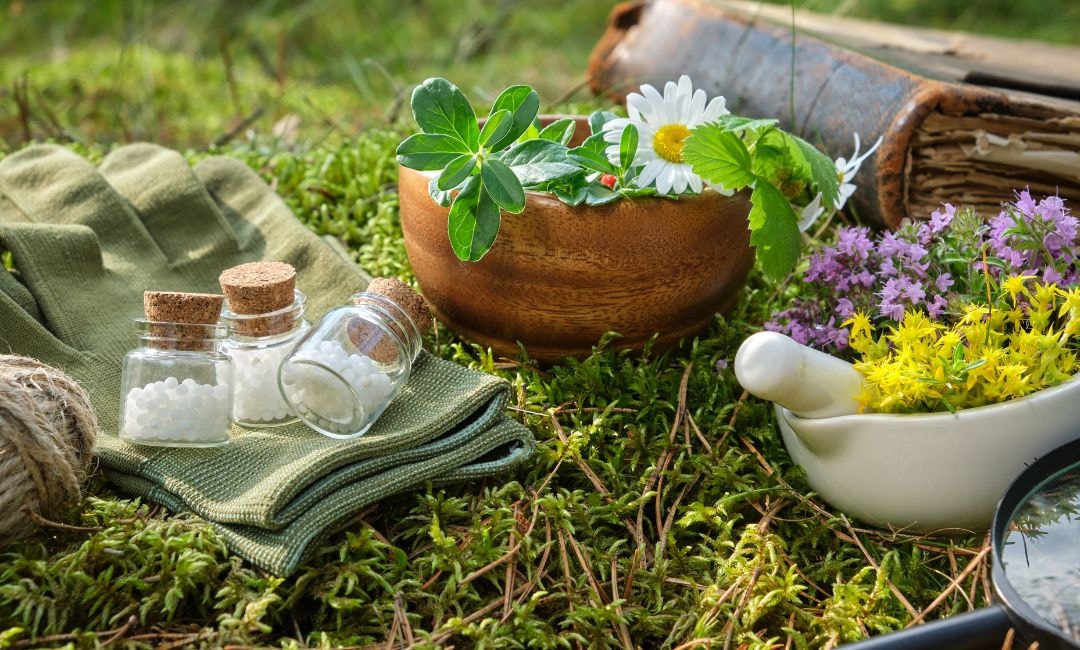
Before you start, remember a couple of things: Always do a patch test on a small area of unaffected skin first, especially if you have sensitive skin. If any remedy causes irritation, stop using it immediately. These are for mild to moderate cases; persistent or severe rashes need a professional look.
Yeast infections, caused by an overgrowth of the Candida fungus, can also affect the skin and contribute to conditions like jock itch.
| Remedy | Key Action | Preparation | Application | Frequency |
|---|---|---|---|---|
| 1. Tea Tree Oil | Antifungal, Antiseptic | Dilute 5-10 drops in 1 oz carrier oil | Apply gently with cotton ball | 2x daily (+1 wk post-rash) |
| 2. Apple Cider Vinegar | Antifungal, Astringent | Dilute 1:1 with water | Dab with cotton, let dry (rinse if stings) | 1-2x daily (Use Caution) |
| 3. Coconut Oil | Antifungal, Soothing | Use pure virgin oil | Apply thin layer directly | 2-3x daily |
| 4. Garlic Paste | Antifungal (Potent) | Crush cloves (+/- olive oil buffer) | Thin layer, 15-30 min max, rinse well | 1x daily MAX (Use Caution!) |
| 5. Aloe Vera Gel | Soothing, Cooling | Use pure gel | Apply generously | As needed for relief |
| 6. Baking Soda | Drying, pH Balance | Make thin paste with water | Apply, dry 10-15 min, rinse | 1x daily (Use Caution) |
| 7. Epsom Salt Bath | Drying, Soothing | 1-2 cups in warm bath | Soak affected area 15-20 min | 1x daily |
| 8. Cornstarch | Drying, Absorbent | Use pure cornstarch powder | Dust lightly on completely dry skin | As needed |
| 9. Neem Oil | Antifungal, Antibacterial | Use pure oil (dilute if needed) | Apply with cotton ball | 2x daily |
| 10. Oatmeal Bath | Soothing (Anti-Itch) | 1 cup colloidal oatmeal in bath | Soak 15-20 min | 1x daily or as needed |
1. Tea Tree Oil Power
This essential oil is known for its potent antifungal and antiseptic properties. It’s a popular choice for skin infections.
Tea tree oil is effective against the jock itch fungus due to its potent antifungal properties.
- Prep: You must dilute it. Mix 5-10 drops of pure tea tree oil with 1 ounce (about 2 tablespoons) of a carrier oil like coconut oil or jojoba oil.
- Steps: Clean and thoroughly dry the affected area first. Apply the diluted oil mixture gently using a cotton ball or clean fingers.
- Use: Apply twice daily. Keep using it for at least a week after the rash disappears to help prevent recurrence.
2. Apple Cider Vinegar Soak (Use Caution)
ACV has antifungal and astringent qualities. It can help dry out the rash, but be warned: it can sting, especially on broken skin. Apple cider vinegar can help kill the fungus that causes jock itch.
- Prep: Mix equal parts raw, unfiltered apple cider vinegar and water.
- Steps: Soak a cotton ball in the mixture. Gently dab it onto the affected skin. Let it air dry. If stinging is intense, rinse off after a few minutes.
- Use: Apply 1-2 times daily. If it causes too much irritation, discontinue or dilute further.
3. Cooling Coconut Oil
Coconut oil contains fatty acids with antifungal properties. It also moisturizes and soothes irritated skin. Coconut oil is effective against various fungal skin infections, including jock itch.
- Prep: Use pure, virgin coconut oil. It might be solid at room temperature; warm it slightly between your hands to liquefy.
- Steps: Ensure the area is clean and dry. Apply a thin layer of coconut oil directly to the rash and surrounding skin.
- Use: Apply 2-3 times daily. It’s gentle enough for frequent use.
4. Garlic Paste Punch (Potent Stuff)
Garlic is a strong natural antifungal. However, it can cause significant skin irritation or burns if used improperly. Patch test is crucial. Garlic paste can be applied to infected skin to provide relief from jock itch.
- Prep: Crush 2-3 fresh garlic cloves into a paste. You can mix it with a small amount of olive oil or coconut oil to buffer its intensity.
- Steps: Apply a very thin layer of the paste to the rash. Leave it on for only 15-30 minutes maximum.
- Use: Rinse off thoroughly with cool water. Use cautiously once daily, and stop immediately if you feel burning or see redness. Not recommended for sensitive skin or broken areas.
5. Soothing Aloe Vera Gel
Known for its cooling and anti-inflammatory properties, aloe vera can provide immediate relief from itching and burning. Aloe vera gel can soothe symptoms like cracking skin associated with jock itch.
- Prep: Use pure aloe vera gel, preferably straight from the plant leaf or a store-bought version with minimal additives.
- Steps: Clean and dry the area. Apply a generous layer of aloe vera gel directly to the skin.
- Use: Apply several times a day, whenever you need soothing relief.
6. Drying Baking Soda Paste
Baking soda can help dry out moisture and potentially balance skin pH, making the environment less hospitable for fungus. Baking soda can help kill fungal cells by creating an inhospitable environment for the fungus. Use gently.
- Prep: Mix a small amount of baking soda with just enough water to form a thin paste.
- Steps: Gently apply the paste to the affected area. Let it sit for about 10-15 minutes until dry.
- Use: Rinse off thoroughly with cool water and pat dry completely. Use once daily. Stop if it causes dryness or irritation.
7. Epsom Salt Bath Relief
Soaking in an Epsom salt bath can help dry out the rash, reduce inflammation, and soothe itching. Epsom salt baths can help dry out the warm, moist environments where fungus thrives.
- Prep: Add 1-2 cups of Epsom salt to a warm (not hot) bath. Swirl to dissolve.
- Steps: Soak in the bath for 15-20 minutes, ensuring the affected area is submerged.
- Use: Do this once daily. After the bath, rinse your skin with clean water and pat dry thoroughly, paying extra attention to skin folds.
8. Keeping Dry with Cornstarch
Cornstarch (or arrowroot powder) works by absorbing excess moisture, which helps keep the area dry and reduces friction. It doesn’t kill fungus but helps manage the environment. Cornstarch helps keep warm and moist areas dry, reducing the risk of fungal growth.
- Prep: Have pure cornstarch ready.
- Steps: Make sure the skin is clean and completely dry. Lightly dust the affected area with cornstarch.
- Use: Apply after showering and anytime the area feels damp. Reapply as needed throughout the day. Avoid talcum powder.
9. Neem Oil’s Natural Defense
Neem oil, derived from the neem tree, has strong antifungal and antibacterial properties, used for centuries in traditional medicine. Neem oil is effective against various tinea infections, including jock itch.
- Prep: Use pure neem oil. Like tea tree oil, it’s potent and often needs dilution. Mix a few drops with a carrier oil (like coconut or jojoba) if desired, or use directly if tolerated (patch test first). Neem has a strong, distinct smell.
- Steps: Clean and dry the area. Apply the neem oil (diluted or neat) with a cotton ball.
- Use: Apply twice daily until the infection clears.
10. Calming Oatmeal Bath
Colloidal oatmeal (finely ground oatmeal) is excellent for calming itchy, inflamed skin, providing symptomatic relief. Oatmeal baths can provide relief from jock itch symptoms like itching and inflammation.
- Prep: Add 1 cup of colloidal oatmeal (or blend regular oats into a fine powder) to a lukewarm bath. Stir to distribute.
- Steps: Soak for 15-20 minutes. Gently pat skin dry afterwards – avoid rubbing.
- Use: Use once daily or whenever itching is severe. This primarily soothes, so combine it with an antifungal remedy for best results.
Remember, consistency is your friend when using these natural remedies. Give them time to work.
Preventing Jock Itch
Preventing jock itch starts with good hygiene practices. Keeping your skin clean and dry is paramount. After showering, make sure to dry the groin area thoroughly, especially in skin folds where moisture can linger. Wearing loose-fitting clothing made of breathable fabrics can also help keep the area dry and reduce friction.
Using an antifungal powder or spray can be an effective way to absorb moisture and prevent fungal growth. Essential oils, such as tea tree oil, have natural antifungal properties and can be used as a preventive measure.
Other practical tips include wearing clean clothes daily, using a separate towel for the groin area, and avoiding skin-to-skin contact with individuals who have jock itch. By following these guidelines, you can significantly reduce your risk of developing jock itch and other fungal infections like athlete’s foot and ringworm. Regular use of antifungal creams and powders can also help keep fungal cells at bay and maintain healthy skin.
Ready to Get Lasting Skin Comfort with Natura Dermatology?
Getting jock itch treated effectively, once it’s properly jock itch diagnosed, often involves consistent home care. Since jock itch is contagious (and can sometimes be linked to issues like fungal nail infections), using these remedies diligently helps manage the fungus and soothe irritation. Keep these key points in mind:
Here’s a quick recap:
- Jock itch (tinea cruris) is a common fungal infection loving warm, moist areas.
- Natural options like tea tree oil, coconut oil, and controlled ACV use can work well, but be patient.
- Always patch test new remedies and keep the affected area clean and thoroughly dry.
- OTC creams offer targeted action but might irritate sensitive skin.
- If the rash doesn’t improve or worsens, see a professional.
While home care helps many, stubborn cases definitely need expert eyes. At Natura Dermatology & Cosmetics, our experienced team accurately diagnoses and treats persistent skin conditions like jock itch. We provide personalized solutions to help you achieve clear, comfortable skin fast.
FAQs
What is the fastest way to cure jock itch at home?
Everyone wants quick relief. While there’s no magic bullet, consistency with treatment is the fastest route. Some find diluted apple cider vinegar provides quick drying, while tea tree oil is potent. However, OTC antifungal creams are often designed for faster action than most home remedies. Combine any treatment with strict hygiene: keep the area clean, completely dry, and wear loose clothing.
What does vinegar do to jock itch?
Apple cider vinegar (ACV) has antifungal and astringent properties. This means it can help kill the fungus causing the itch and also dry out the moist environment where it thrives. Remember to always dilute it (usually 1:1 with water) because straight ACV can sting badly and irritate the skin.
What is the strongest natural antifungal?
Several natural ingredients pack a punch. Garlic and Tea Tree Oil are often considered among the most potent natural antifungals discussed. But stronger doesn’t always mean better – these potent options also carry a higher risk of skin irritation. Proper dilution (for tea tree oil) and extreme caution (for garlic) are essential.
Does hydrogen peroxide help jock itch?
We generally don’t recommend using hydrogen peroxide for jock itch. While it can kill germs, it’s quite harsh on the skin. It can damage healthy skin cells needed for healing and might worsen irritation without effectively targeting the specific fungus involved. Stick to gentler, proven antifungal methods.
Can baby powder treat jock itch?
Baby powder primarily helps by absorbing moisture, keeping the area dry. This can make the environment less friendly for fungus, but baby powder itself doesn’t typically contain antifungal ingredients to cure the infection. If you use powder for dryness, opt for cornstarch instead of talc-based powders. Use it alongside an actual antifungal treatment (natural or OTC), not as the sole solution.
Is jock itch contagious?
Yes, absolutely. The fungus causing jock itch can spread through direct skin-to-skin contact with an infected person. It also spreads indirectly via shared items like towels, workout gear, or clothing that haven’t been properly cleaned after contact with the fungus.


