

Pelvic floor physical therapy may help manage certain bladder or bowel concerns, pelvic discomfort, and difficulties involving proper muscle control or coordination. Treatment may involve relaxation, strengthening, breathing, bladder training, biofeedback or manual techniques, depending on the assessment.
Not all symptoms are caused by weak muscles. Excessive tension and weakness can coexist, and other medical causes may need treatment or referral. Expected benefits depend on the diagnosis; the same exercise or device is not appropriate for everyone.
Matching Therapy to the Problem
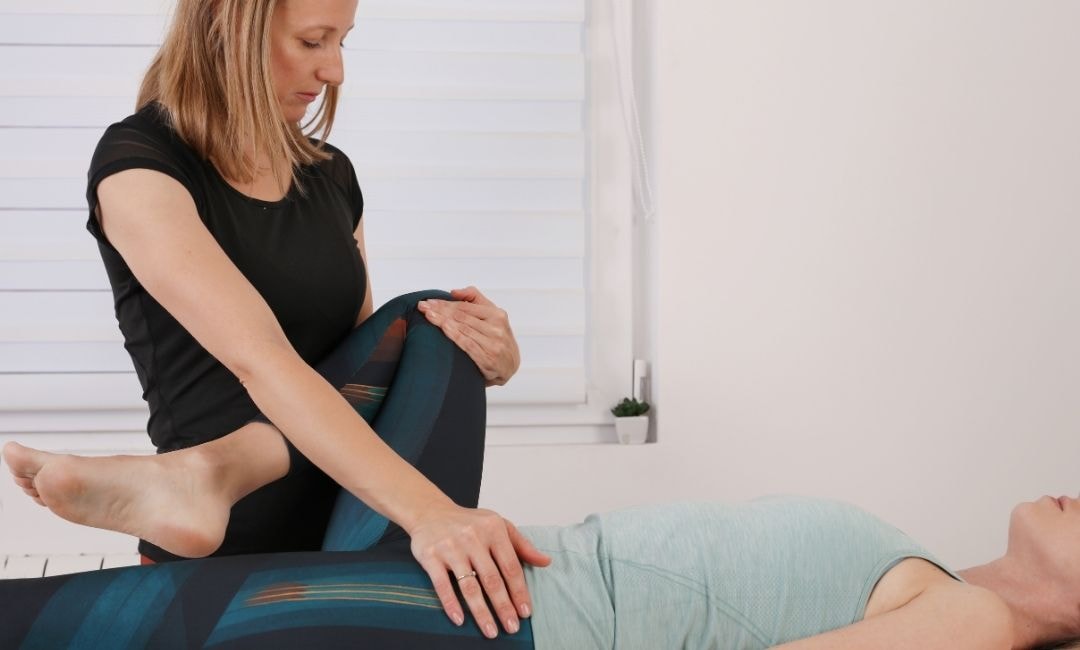
For leakage associated with weakness, an individualized muscle-training plan may help. For excessive tension or pain, learning to relax and coordinate the muscles may be more appropriate than additional contractions. Bowel symptoms, prolapse, pregnancy/postpartum concerns and recovery after surgery require individualized assessment.
A physical therapist can explain which techniques fit the findings and when another specialist is needed. Therapy may improve symptoms without correcting every underlying structural or medical cause.
Where Emsella Fits
Emsella provides noninvasive electromagnetic stimulation of pelvic floor muscles and may be considered for appropriate adults with urinary incontinence associated with weak muscles. This approach is separate from hands-on pelvic floor therapy and other manual rehabilitation techniques.
It should not be presented as a treatment for pelvic pain, excessive resting muscle tension or every form of pelvic dysfunction. A clinician must assess the cause of symptoms and screen for the device’s contraindications, including relevant implants and other medical circumstances. A stated number of contractions is not proof that it replaces an individualized exercise program.
Natura offers Emsella consultations. Ask whether this option fits your diagnosis or whether a pelvic health specialist or physical therapist is more appropriate.

Setting Treatment Goals
Goals may include fewer leaks, less discomfort or better muscle coordination, depending on the diagnosis and chosen treatment. Outcomes vary, and improvements from pelvic floor physical therapy should not automatically be attributed to Emsella.
Discuss what will be measured, when progress will be reviewed and which other treatment options apply if symptoms persist.
Get the Right Assessment
Urinary leakage, pelvic pain and bowel symptoms warrant an assessment of their cause. Pelvic floor physical therapy and Emsella are different options with different purposes.
Natura can discuss Emsella for appropriate urinary-incontinence concerns. Ask about specialist evaluation or referral when pain, excessive muscle tension or another condition requires a different approach.
FAQs About Pelvic Floor Therapy
What do they do at pelvic floor therapy?
Pelvic floor therapy involves a variety of techniques. A therapist will assess your condition and create a personalized treatment plan. This may include exercises to strengthen or relax the pelvic floor muscles, manual therapy, biofeedback, and education about lifestyle modifications. They might also use tools like biofeedback devices or electrical stimulation.
How do you tell if you need pelvic floor therapy?
If you’re experiencing any symptoms like urinary or fecal incontinence, pelvic pain, painful intercourse, or prolapse, you might benefit from pelvic floor therapy. Even if you don’t have obvious symptoms, if you’ve recently given birth, had surgery in the pelvic region, or experienced chronic constipation, it’s worth talking to your doctor. They can assess your needs and recommend the appropriate treatment.
Does pelvic floor therapy make you tighter?
Pelvic floor therapy can help improve muscle tone and function. For some, this might mean strengthening pelvic floor weakness. For others, it might mean relaxing tight muscles. The goal is balanced function, not necessarily “tightness.” A skilled therapist will tailor the treatment to your specific needs.
Is it worth seeing a pelvic floor therapist?
For many people, pelvic floor therapy is life-changing. It can significantly improve quality of life by reducing pain, improving overactive bladder and bowel control, and enhancing intimacy. If you’re experiencing any related symptoms, it’s definitely worth exploring this option. It’s an investment in your long-term health and well-being.


