

Did you know that over a third of women experience urinary leaks after having a baby? It’s a common, yet often hushed, topic. You might feel like this is just your “new normal,” but we’re here to tell you it doesn’t have to be that way. We’ll show you how to regain control and strengthen your core.
Here’s what we’ll cover:
- Why “pushing through it” makes things worse
- Exercises that really work
- When to seek extra help
At Natura Dermatology & Cosmetics, we believe you deserve to feel your best. Our team helps you find solutions for your unique needs. We’re here to support your journey back to confidence.
Why “Pushing Through It” Makes Things Worse
You’ve just had a baby, and suddenly, little leaks are a thing. Maybe a sneeze, a laugh, or even a short jog causes you to lose control urine flow. This is urinary incontinence, often called postpartum incontinence. Many new mothers assume this is just part of the deal and try to ignore it or “push through.” But we’re here to tell you that ignoring incontinence symptoms can actually make things worse.
The Myth of “Just Dealing With It”
Thinking you can just “get over” bladder weakness after childbirth is a common trap. Your pelvic floor muscles take a real beating during pregnancy and delivery. These muscles are vital; they form a supportive hammock for your pelvic organs, like your bladder, uterus, and bowel. When they’re weakened, they can’t do their job.
- Unsupported Organs: Weak pelvic floor muscles mean your bladder and other pelvic organs don’t have the support they need.
- Increased Strain: Everyday activities like coughing or lifting put extra pressure on an already weak system.
- Worsening Leaks: Without proper pelvic floor strengthening exercises, those little leaks can become bigger, more frequent urine leakage.
Why Your Pelvic Floor Struggles
The journey to childbirth is incredible, but it’s also tough on your body. Pregnancy hormones loosen connective tissues, and the sheer force of giving birth, especially a vaginal delivery, stretches and strains your pelvic floor. This can leave you with weak pelvic floor muscles.
| Cause of Weakness | Impact on the Pelvic Floor |
|---|---|
| Pregnancy Hormones | Soften ligaments and muscles, reducing pelvic floor strength. |
| Vaginal Delivery | Stretches and potentially tears the pelvic muscles. |
| Increased Abdominal Pressure | Constant downward pressure from pregnancy and pushing. |
The Wrong Way to Recover
Most postpartum women hear “do Kegel exercises,” and they try. But doing them incorrectly can be ineffective, or even harmful. Squeezing the wrong muscles, like your glutes or abs, doesn’t actually strengthen the pelvic floor. In fact, it can create unnecessary strain.
Pro Tip: If you’re not sure you’re using the right muscles for Kegels correctly, you’re not alone. It’s a very common issue.
Ignoring the problem or doing ineffective exercises means you’re missing out on real solutions. You can improve your bladder control and reduce incontinence symptoms. Our goal is to help you regain control and feel confident again. Later, we’ll discuss effective methods and why specialized treatments like BTL Emsella at Natura Dermatology & Cosmetics can be a powerful part of your postpartum journey to a stronger pelvic floor.
Exercises That Really Work
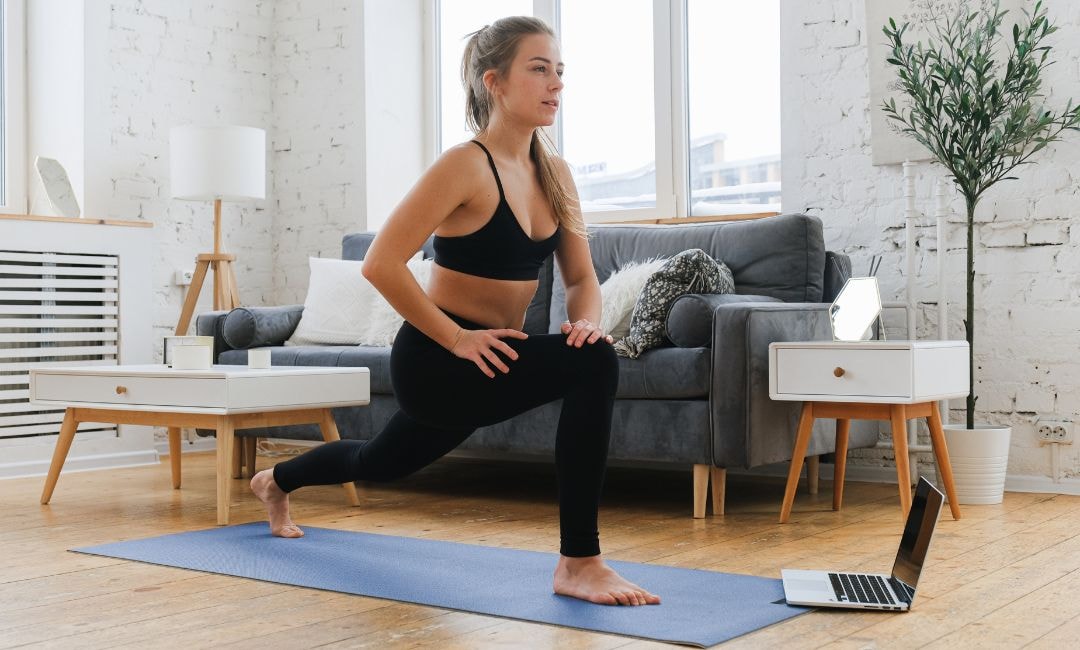
Forget the vague advice you might have heard. We’re going to break down the best exercises to prevent urinary incontinence after childbirth. These aren’t just about squeezing; they’re about proper technique to truly strengthen your pelvic floor. Getting your pelvic floor muscles strong is key to stopping bladder leakage.
Master the Kegel: It’s All About Form
The classic Kegel exercises are still king, but only if you do them right. Many people squeeze everything but the correct muscles. Imagine you’re trying to stop the urine flow or hold back a bowel movement. That’s the feeling you’re looking for.
How to do it well:
- Find Your Muscles: Sit comfortably with your feet flat and knees bent. Try to stop urine flow midstream next time you’re on the toilet. That’s your pelvic floor. Don’t do this often, it’s just to identify.
- Squeeze and Lift: Once you locate them, squeeze those pelvic muscles as if you’re lifting them up and in. Imagine you’re picking up a blueberry with your vagina.
- Hold It: Hold the squeeze for 3-5 seconds. Breathe normally! Don’t hold your breath or tighten your abs or glutes.
- Release Fully: This is crucial. Release the muscles completely for 5-10 seconds. Let them relax and drop.
- Repeat: Do 10-15 repetitions, 3 times a day. You can gradually increase hold time and reps as your pelvic floor strength improves.
The “Elevator” for Deeper Strength
This exercise builds on the Kegel, helping you engage different layers of your pelvic floor. Think of your pelvic floor as an elevator with multiple floors.
How to do it well:
- Start at the Basement: Relax your pelvic muscles completely.
- Floor by Floor: Gently squeeze and lift your pelvic floor to the “first floor” (a light contraction).
- Go Higher: Then lift to the “second floor” (a bit stronger), and finally to the “third floor” (your maximum squeeze). Hold briefly at the top.
- Descend Slowly: Slowly release, dropping back down through each “floor” until you’re completely relaxed at the “basement.”
- Practice Makes Perfect: This takes practice to feel the different levels. Aim for 5-10 repetitions, focusing on that slow, controlled release.
Reverse Kegels: Learning to Let Go
Sometimes, weak pelvic floor issues stem from muscles that are too tight, not just weak. This is where “reverse Kegels” or downtraining comes in. It’s about relaxing and lengthening the pelvic floor muscles.
How to do it well:
- Relax Deeply: Lie down in a comfortable position. Place one hand on your lower belly.
- Imagine Opening: As you inhale, imagine your pelvic floor gently widening and softening, almost as if you’re about to pass bowel movements or urine flow. Don’t push down, just release and expand.
- Exhale and Relax: As you exhale, simply let go of any tension.
- Feel the Space: You should feel a subtle expansion in your lower belly and pelvic area. This helps release chronic tension.
Bridges: Engaging the Supporting Cast
Strengthening your glutes and core can indirectly support your pelvic floor strength. Bridges are a great way to engage these core muscles while also thinking about your pelvic floor.
How to do it well:
- Lie Down: Lie on your back with your knees bent and feet flat on the floor, hip-width apart. Your arms should be by your sides.
- Lift Up: As you exhale, press into your heels and lift your hips off the floor, engaging your glutes. Imagine a gentle pelvic floor lift as you go up.
- Hold and Lower: Hold for a few seconds at the top, making sure your body forms a straight line from shoulders to knees. Slowly lower your hips back down.
- Repeat: Do 10-15 repetitions. Focus on smooth, controlled movement.
Squats with Pelvic Floor Awareness
Squats are fantastic for overall lower body strength, but you can make them even better for pelvic floor strengthening. Think about the coordination between your breath and your pelvic floor as you move.
How to do it well:
- Stand Tall: Stand with your feet hip-width apart, toes pointing slightly out.
- Inhale Down: As you inhale, slowly push your hips back and bend your knees as if sitting in a chair. As you lower, gently release your pelvic floor muscles (think of the reverse Kegel).
- Exhale Up: As you stand back up, exhale and gently lift your pelvic floor (a soft Kegel).
- Keep it Gentle: Don’t go too deep if it causes discomfort or pressure. Focus on quality over depth. Aim for 8-12 repetitions.
These exercises are powerful tools for pelvic floor strengthening. If you struggle to feel the right muscles or don’t see improvement after a few weeks, a healthcare professional or physical therapist can guide you. For many, pelvic floor therapy is a huge help.
While these exercises are a great start, sometimes you need an extra boost. That’s where technology steps in. At Natura Dermatology & Cosmetics, we offer BTL Emsella, a non-invasive treatment that uses electromagnetic energy to stimulate and strengthen your pelvic floor muscles thousands of times in a single session. It’s a fantastic option to quickly build pelvic floor strength and improve bladder control without any effort on your part, helping you treat urinary incontinence effectively.
When to Seek Extra Help
You’ve been diligently working on your pelvic floor strengthening exercises, focusing on Kegels correctly, and trying to strengthen the pelvic floor with other exercise routine moves. But what if those incontinence symptoms persist? Or what if you’re not seeing the improvement in bladder control you hoped for after a few months? That’s when you know it’s time to reach out for additional support. You don’t have to face postpartum incontinence alone.
Signs It’s Time to Talk to a Professional
It’s common for most postpartum women to experience some leaking urine after giving birth. But if it continues beyond a few months, or if it’s impacting your quality of life, a healthcare provider can offer guidance.
Consider seeking help if:
- Your bladder leakage isn’t improving with consistent pelvic floor muscle training.
- You experience fecal incontinence alongside urinary incontinence.
- You feel a “bulge” or pressure in your pelvic area, which might signal pelvic organ prolapse.
- You have pain during intercourse, impacting your sexual health.
- You suspect you’re not activating the right muscles during Kegel exercises strengthen attempts.
- You are experiencing frequent urinary tract infections.
What a Professional Can Do
A healthcare professional or a specialized physical therapist focusing on pelvic floor therapy can provide a comprehensive assessment. They can help you understand the root cause of your weak pelvic floor and create a personalized plan. This might involve:
- Biofeedback: This uses sensors to show you on a screen if you’re engaging the pelvic floor muscles correctly. It’s fantastic for learning to control bladder function.
- Manual Therapy: A physical therapist might use hands-on techniques to release tight muscles or improve their function.
- Personalized Exercise Plans: They design an exercise routine specifically for you, often with progressive resistance.
Beyond Basic Exercises: Advanced Treatment Options
Sometimes, even with dedicated physical therapy, you might need an extra boost. This is where advanced treatment options come in. For example, bladder training helps you gradually increase the time between bathroom visits to improve bladder control.
For many women, technology offers remarkable results. At Natura Dermatology & Cosmetics, we offer BTL Emsella. This innovative chair uses high-intensity focused electromagnetic (electrical stimulation) to cause thousands of supramaximal pelvic floor muscle contractions in just one session. This is far more effective than you could achieve with inactive control treatments or Kegel exercises alone. It truly helps to prevent urinary incontinence by making your pelvic floor muscles strong.
Pro Tip:Maintaining a healthy weight and avoiding unnecessary strain on your pelvic floor are also important lifestyle changes that work hand-in-hand with any treatment options.
While weakened pelvic floor muscles can be improved with conservative measures, in some rare cases, surgical treatments might be discussed if other avenues haven’t yielded sufficient results. Our goal is always to help you regain control and confidence with the least invasive, yet most effective, methods available.
Ready to Reclaim Your Strength with Natura Dermatology & Cosmetics?
You have the power to overcome postpartum incontinence. By understanding your pelvic floor muscles and using the right techniques, you can regain control. We’ve shown you effective exercises and when to seek expert help for lasting improvement in bladder control.
Key takeaways:
- “Pushing through” often makes incontinence symptoms worse.
- Proper Kegel exercises and complementary moves are crucial.
- Don’t hesitate to consult a healthcare professional or physical therapist.
- Advanced solutions like BTL Emsella offer significant relief for weak pelvic floor muscles.
At Natura Dermatology & Cosmetics, we truly understand the journey to feeling like yourself again. Our team is here to support you with advanced treatment options like BTL Emsella, helping you strengthen your pelvic floor and live confidently. We’re ready when you are.
FAQs
What exercises are good for postpartum urinary incontinence?
Kegel exercises are key. Focus on squeezing and lifting your pelvic floor muscles. Bridges and squats, done with pelvic floor awareness, also help.
How to stop incontinence after childbirth?
Consistent pelvic floor muscle training is essential. If issues persist after a few months, seek pelvic floor therapy.
What exercises stop urine leakage?
Exercises that strengthen the pelvic floor directly address stress incontinence. Proper Kegel exercises are a great start.
How long does it take to strengthen the pelvic floor after birth?
You should see improvement in a few weeks with consistent exercise. Full pelvic floor strength may take longer. Remember, vaginal birth puts extra strain on these pelvic floor muscles support.


