

Most people check their face and arms for suspicious spots. But the breast? It’s often overlooked. According to the American Cancer Society, approximately 10,000 cases of non-melanoma skin cancer occur on the breast annually in the United States alone. That number might surprise you.
Skin cancer on the breast is rare compared to sun-exposed areas, but it happens. And because this region doesn’t get routine attention during self-exams, changes can go unnoticed for months.
In this article, you’ll learn:
- Types of skin cancer that can develop on the breast
- Visual warning signs and symptoms to watch for
- How to distinguish skin cancer from breast cancer
- The ABCDE rule for evaluating moles
- When to see a dermatologist immediately
- Prevention and self-exam tips
At Natura Dermatology, we perform comprehensive full-body skin exams that include often-missed areas like the chest and breast. If you’ve spotted something unusual, our Fort Lauderdale team can help you get answers.
Types of Skin Cancer That Can Develop on the Breast
Skin cancer on the breast is uncommon, but it does occur. The breast skin is susceptible to the same types of skin cancer that affect other areas of your body. Here’s what you need to know about each type.
Basal Cell Carcinoma (BCC)
Basal cell skin cancer is the most common type of skin cancer overall, accounting for roughly 80% of all cases. While it typically develops on sun-exposed areas like the face and neck, it can appear anywhere on the body, including the breast.
On breast skin, basal cell carcinoma may look like:
- A pearly or waxy bump with visible blood vessels
- A flat, flesh-colored or pinkish scar-like lesion
- A sore that bleeds, crusts over, and won’t heal
- A shiny bump that appears translucent
BCC grows slowly and rarely spreads to surrounding tissue or lymph nodes. When caught early, successful treatment rates are excellent.
Squamous Cell Carcinoma (SCC)
Squamous cell carcinoma is the second most common form of skin cancer. It develops in the flat cells that make up the outer layer of your skin. Though less common on the breast than on other areas, it can occur.
Warning signs include:
- A firm, red nodule
- A flat lesion with a scaly, crusted surface
- A rough patch that may bleed when touched
- A sore that heals and then returns
SCC is more aggressive than basal cell carcinoma and has a higher chance of spreading if left untreated. People diagnosed with SCC also have an increased risk of developing other skin cancers.
Melanoma
Melanoma skin cancer is less common but far more dangerous. Melanoma can develop anywhere on the body, including areas like the chest and breast that are often overlooked during personal skin checks.
On the breast, melanoma may appear as:
- A new mole that looks different from others
- An existing mole that changes in size, shape, or color
- A dark spot with irregular borders
- A lesion with multiple colors (brown, black, red, white, or blue)
The exact cause of melanoma isn’t always clear, but genetics and UV exposure both play a role. People with breast cancer are at an increased risk of developing melanoma.
Pro Tip: Don’t skip your breast skin during self-exams just because it rarely sees the sun. Cancer cells can develop in any skin, regardless of exposure.
Visual Warning Signs and Symptoms to Watch For
Skin cancer symptoms on the breast can be subtle. Knowing what to look for helps you catch problems early, when treatment is most effective.
Changes You Can See
| Sign | What It May Indicate |
|---|---|
| Pearly bump or shiny nodule | Basal cell carcinoma |
| Red, scaly patch that won’t heal | Squamous cell carcinoma |
| Dark spot with irregular edges | Possible melanoma |
| Sore that bleeds and crusts repeatedly | BCC or SCC |
| Mole changing in size or color | Melanoma warning sign |
| Flat, scar-like lesion | Morpheaform BCC |
Changes You Can Feel
Skin cancer isn’t always visible at first glance. Pay attention to:
- Itching or tenderness in a specific spot
- Rough texture that feels like sandpaper
- Pain in an area without obvious injury
- A new lump that feels firm under the skin
Red Flags That Demand Attention
Some symptoms are more urgent than others. Seek immediate evaluation if you notice:
- A mole on your breast that bleeds without trauma
- Rapid growth of any new or unusual changes
- Skin discoloration that spreads over weeks
- A wound that won’t heal after several weeks
- Any growth that looks distinctly different from other spots on your body
What About People with Darker Skin?
Skin cancer can develop on any skin tone. People with black skin or darker complexions may notice:
- Spots that appear darker than surrounding skin
- Changes in areas that don’t typically get sun exposure
- Lesions on the palms, soles, or under nails
Don’t assume your skin type protects you. While lighter individuals with white skin face higher overall risk, melanoma in darker-skinned individuals is often diagnosed at later stages because it’s overlooked.
How to Distinguish Skin Cancer from Breast Cancer
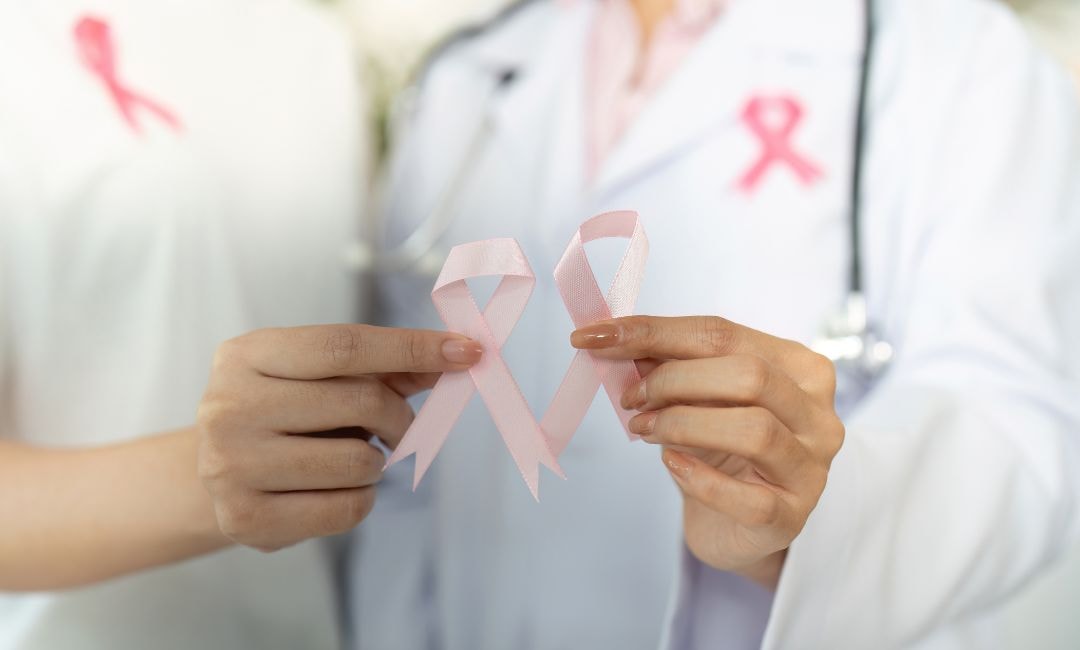
Skin cancer and breast cancer are fundamentally different conditions, but they can both cause visible changes to the breast. Understanding the differences helps you know when to see a dermatologist versus a breast specialist.
Where Each Type Starts
- Skin cancer originates in the skin cells of the epidermis (the outer layer). It affects the breast skin on the surface.
- Breast cancer starts in the breast tissue beneath the skin, typically in the milk ducts or lobules that produce breast milk. Most breast cancers begin as invasive ductal carcinoma.
Different Symptoms to Watch
| Feature | Skin Cancer | Breast Cancer |
|---|---|---|
| Location | On the surface of breast skin | Deep within breast tissue |
| Initial sign | Visible spot, mole, or sore | Lump in the breast |
| Texture | May be rough, scaly, or raised | Firm mass felt under skin |
| Nipple changes | Usually unaffected | Nipple discharge, nipple inversion |
| Spread pattern | Stays on/near skin surface initially | Can spread to lymph nodes, collar bone area |
Breast Conditions That Mimic Skin Cancer
Some breast conditions look like skin cancer but are actually different symptoms of breast cancer or other medical conditions:
Paget’s Disease of the Breast
Paget’s disease of the breast is a rare type of breast cancer that develops in the skin of the nipple. It may be mistaken for a skin condition, such as eczema. Symptoms include:
- Flaky skin on the nipple or areola
- Crusting or scaling that doesn’t respond to treatment
- Nipple discharge (often bloody)
- Itching or burning sensation
Unlike skin cancer, Paget’s disease is associated with underlying breast cancer in over 90% of cases.
Inflammatory Breast Cancer
This aggressive form of breast cancer affects the lymph vessels in the breast skin. Inflammatory breast cancer symptoms include:
- Rapid swelling of one breast
- Skin that looks like orange peel (peau d’orange)
- Redness covering more than one-third of the entire breast
- Breast pain or heaviness
- Warmth in the affected area
Inflammatory breast cancer typically starts with a rash, rather than a lump. This is different from skin cancer, which usually presents as a distinct spot or lesion.
When to Seek a Second Opinion
If you notice any breast changes that don’t fit neatly into one category, don’t hesitate to ask your doctor to check both possibilities. A dermatologist can evaluate skin concerns, while a breast specialist can assess deeper tissue. Sometimes both are needed for accurate diagnosis.
The ABCDE Rule for Evaluating Moles
The ABCDE rule is your go-to framework for evaluating any mole on your breast, or anywhere else on your body. Use it during monthly self-exams to stay ahead of potential problems.
A is for Asymmetry
Look at the mole and imagine drawing a line down the middle. Do both halves match? Normal moles are typically symmetrical. If one half looks different from the other, that’s a red flag.
B is for Border
Examine the edges. Healthy moles have smooth, well-defined borders. Concerning signs include:
- Jagged or notched edges
- Blurry or faded borders
- Edges that seem to bleed into surrounding skin
C is for Color
Normal moles are usually one uniform shade of brown or tan. Be concerned if you see:
- Multiple colors within one spot
- Shades of black, red, white, or blue
- Uneven color distribution
D is for Diameter
Melanomas are often larger than 6 millimeters (about the size of a pencil eraser). However, this isn’t a hard rule. Some melanomas start smaller. Any growing mole deserves attention regardless of current size.
E is for Evolving
This may be the most important letter. Healthy moles don’t change much over time. Watch for:
- Changes in size, shape, or color
- New symptoms like itching, pain, or bleeding
- A spot that looks different than it did months ago
The Ugly Duckling Sign
Here’s another useful tool: look for the mole that doesn’t belong. Most of your moles probably share a similar appearance. If one stands out as noticeably different in shape, color, or texture, have it evaluated by a board-certified dermatologist.
When to See a Dermatologist Immediately
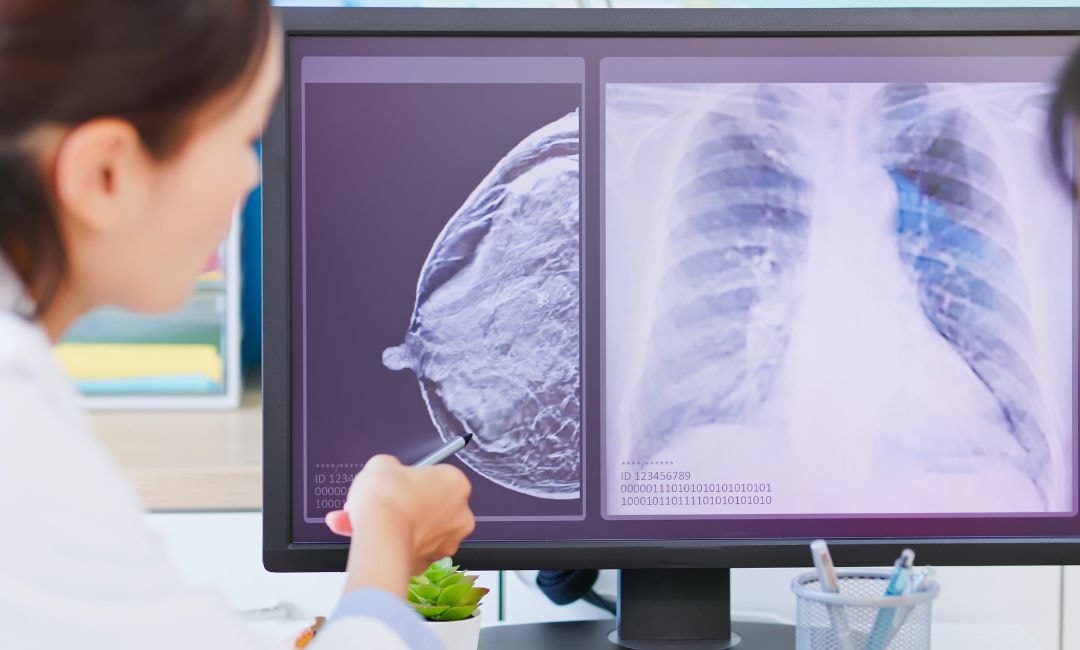
Some signs and symptoms require prompt medical attention. Don’t wait for your annual skin check if you notice any of the following.
Urgent Warning Signs
- A mole that bleeds without injury or obvious cause
- Rapid changes in any spot over days or weeks
- A sore that won’t heal after three to four weeks
- Significant changes in the color of an existing mole
- New growth that looks completely different from everything else on your body
- Spreading redness or skin discoloration on the breast
High-Risk Situations
Certain factors put you at increased risk for skin cancer and warrant more frequent screenings:
- Personal history of skin cancer
- Family history of melanoma or other skin cancers
- Fair skin that burns easily
- History of severe sunburns
- Multiple moles (50 or more)
- Weakened immune system
- Previous radiation treatment to the chest area
What to Expect at Your Appointment
When you see a dermatologist about a concerning spot, they will:
- Examine the area visually and with magnification (dermoscopy)
- Ask about your medical history and when you first noticed changes
- Possibly perform a biopsy if the spot looks suspicious
- Discuss treatment options if cancer cells are found
At Natura Dermatology, our providers perform comprehensive full-body skin exams that include the breast, chest, and other commonly missed areas. Dr. Will Richardson and our team use advanced imaging to track changes over time and catch problems in their earliest stages. If you’ve noticed something unusual, schedule an appointment with our Fort Lauderdale office.
Prevention and Self-Exam Tips
While you can’t eliminate all breast cancer risk or skin cancer risk, you can take steps to protect yourself and catch problems early.
Monthly Self-Exams
Make breast skin checks part of your regular routine. Here’s how:
- Stand in front of a mirror with good lighting
- Lift each breast to examine the underside and skin folds
- Check the nipple and areola for any skin changes, flaky skin, or discoloration
- Look for new or unusual changes in moles, spots, or texture
- Feel for lumps both on the surface and deeper in breast tissue
- Take photos of any spots you want to monitor over time
Sun Protection for the Chest Area
Even though your breast may not get direct sun exposure often, it can still accumulate UV damage over time. Protect yourself by:
- Wearing broad-spectrum sunscreen (SPF 30+) when wearing low-cut tops or swimsuits
- Covering up with protective clothing during extended sun exposure
- Avoiding tanning beds entirely
- Checking your chest and breast during regular skin self-exams
Know Your Personal Risk
Talk to your doctor about your individual risk factors. You may need more frequent screenings if you have:
- A family history of breast cancer or melanoma
- Previous breast lumps or biopsies
- Dense breast tissue
- Genetic mutations (like BRCA1 or BRCA2)
- History of radiation to the chest area
Stay Ahead with Annual Screenings
Self-exams are valuable, but they don’t replace professional evaluation. The National Cancer Institute and National Comprehensive Cancer Network recommend regular skin screenings for people with risk factors.
A board-certified dermatologist can:
- Identify spots you might miss
- Use specialized tools to examine suspicious areas
- Track changes over time with photography
- Perform biopsies when needed
- Recommend appropriate follow-up based on findings
When in Doubt, Get It Checked
Most breast lumps and skin spots turn out to be benign. But the only way to know for sure is through a professional evaluation. If something concerns you, don’t talk yourself out of making an appointment. Early detection dramatically improves outcomes for both skin cancer and breast cancer.
Protect Your Breast Skin With Natura Dermatology
Skin cancer on the breast may be rare, but it’s not impossible. And because this area is often overlooked during routine self-checks, changes can go undetected for months. Knowing the warning signs gives you the power to act fast.
Key takeaways:
- Basal cell, squamous cell, and melanoma can all develop on the breast skin
- Watch for new moles, sores that won’t heal, and spots that change over time
- Skin cancer affects the surface; breast cancer starts in deeper tissue
- Paget’s disease and inflammatory breast cancer can mimic skin conditions
- Use the ABCDE rule to evaluate any suspicious moles
- Seek immediate evaluation for bleeding moles, rapid changes, or non-healing wounds
- Monthly self-exams and annual professional screenings are essential
Natura Dermatology is committed to comprehensive skin health. Our Fort Lauderdale team performs thorough full-body exams that include the breast, chest, and other commonly missed areas. If you’ve noticed breast changes or want to establish a baseline for monitoring, schedule your appointment today. Early detection is always the goal.
FAQs
What are the 7 warning signs of breast cancer?
The most common symptoms of breast cancer include: a new lump in the breast or armpit, thickening or swelling of part of the breast, skin irritation or dimpling, redness or flaky skin on the nipple or breast, nipple discharge other than breast milk, any change in breast size or shape, and pain in any area of the breast. If you notice any of these breast symptoms, have your doctor check them promptly.
What is the 2 week rule for breast cancer?
The 2 week rule refers to urgent referral guidelines in some healthcare systems. If your doctor suspects breast cancer based on your symptoms, you should be seen by a specialist within two weeks. This fast-track pathway ensures people with concerning signs get rapid evaluation. Don’t wait if you notice significant changes in your breast.
When to worry about skin changes on breasts?
Worry if skin changes persist for more than two weeks, spread across a larger area, or don’t respond to basic treatment. Red flags include skin that looks like orange peel, persistent redness on one breast, flaky or scaly patches that won’t heal, or any skin irritation caused by no obvious external factor. When in doubt, get evaluated.
What are the skin changes of breast cancer?
Breast cancer can cause several skin changes including dimpling (like an orange peel texture), redness or warmth, thickening of the skin, and visible swelling. Paget’s disease causes crusting and flaking on the nipple. Inflammatory breast cancer causes rapid redness and swelling across the entire breast. These differ from skin cancer, which typically appears as distinct spots or lesions.
Does breast cancer cause armpit pain?
Yes, it can. Breast cancer may spread through the lymphatic system, which includes lymph nodes in the armpit. These small tubes carry fluid and immune cells throughout your body. If cancer cells reach the armpit lymph nodes, you may feel pain, swelling, or a lump in that area. Other symptoms like arm swelling can also occur. Always have unexplained armpit pain evaluated.
What do brown spots on the breast mean?
Brown spots on breast skin are usually harmless. Common causes include age spots from sun exposure, seborrheic keratoses, or normal pigmentation changes. However, if a brown spot has irregular borders, multiple colors, or changes over time, it could indicate melanoma. A new or evolving dark spot on your left breast or right breast deserves evaluation by a dermatologist.
What does breast cancer discoloration look like?
Breast cancer discoloration typically appears as redness or pinkish hues covering a large area, not a single spot. Inflammatory breast cancer causes rapid redness that may look like a rash or bruise. Paget’s disease causes red, scaly changes around the nipple.
Unlike skin cancer spots, breast cancer discoloration usually involves broader areas and may be accompanied by swelling, warmth, or skin thickening. Surgery is often part of treatment once diagnosed.


