

A decade ago, a stage 4 melanoma diagnosis left very few options and even fewer reasons for optimism. That’s no longer the case. Five-year survival rates for metastatic melanoma have more than doubled in recent years, and some patients are living years beyond what older statistics would suggest. The landscape has shifted dramatically, and understanding what that means for you matters.
This article breaks down what you need to know:
- Current five-year survival rates for stage 4 melanoma
- How immunotherapy and targeted therapy are changing outcomes
- Key factors that influence individual prognosis
- Treatment options available at this stage
- What “life expectancy” really means in the context of modern care
- How early detection reduces the risk of reaching stage 4
At Natura Dermatology & Cosmetics, our mission centers on one belief: no one should die from melanoma. Our Fort Lauderdale team provides comprehensive skin exams and full-body imaging designed to catch melanoma at its earliest, most treatable stages.
Five-Year Survival Rates for Stage 4
Let’s start with the numbers, because context matters.
According to the American Cancer Society, people diagnosed with stage 4 melanoma have a five-year survival rate of approximately 35%. That means roughly 35 out of 100 people with distant-stage melanoma skin cancer are alive five years after their diagnosis.
But that number doesn’t tell the whole story.
Those survival rates for melanoma are based on data from patients diagnosed between 2015 and 2021. Many of those patients were treated before the latest generation of immunotherapy drugs and targeted therapy options became widely available. The Memorial Sloan Kettering Cancer Center has reported that with newer treatment protocols, five–year outcomes may be closer to 50% for some patient groups.
A 2024 study published in a major clinical oncology journal followed 640 patients who entered stage iv between 2014 and 2017. Of those, 32% were still alive after five years. Among the survivors, the median survival since diagnosis was six years. And 83% of them had stopped active treatment entirely.
How the Numbers Break Down
| Stage at Diagnosis | 5-Year Relative Survival |
|---|---|
| Localized (confined to skin) | 99% |
| Regional (spread to nearby lymph nodes) | 76% |
| Distant (spread to distant parts of the body) | 35% |
What the Numbers Don’t Capture
Survival rates are population-level averages. They can’t account for your age, overall health, specific tumor biology, or how well you respond to treatment. A 45-year-old with a single lung metastasis treated with modern immunotherapy drugs has a very different prognosis from a 75-year-old with brain metastases and multiple organ involvement.
The trajectory is moving in the right direction. People diagnosed with stage IV melanoma today have access to treatments that simply didn’t exist a decade ago, and the data haven’t fully caught up yet.
How Immunotherapy and Targeted Therapy Are Changing Outcomes

The reason survival rates for stage 4 melanoma are climbing isn’t because the cancer itself has changed. It’s because the way we fight it has fundamentally shifted.
Immunotherapy: Teaching Your Body to Fight
Immunotherapy doesn’t attack cancer cells directly. Instead, it trains your own immune system to recognize and destroy them. Melanoma cells are skilled at hiding from immune detection by activating “off switches” on immune cells. Checkpoint inhibitors block those off switches, allowing your body to identify and target the melanoma tumor.
The most widely used checkpoint inhibitors for advanced melanoma include:
- Pembrolizumab (Keytruda) and nivolumab (Opdivo), which target the PD-1 pathway
- Ipilimumab (Yervoy), which targets the CTLA-4 pathway
- Combination therapy using nivolumab and ipilimumab together, which has shown the strongest response rates, but also carries a higher risk of side effects
In clinical trials, combination immunotherapy has achieved response rates above 70% in some patient populations. Some patients who respond well experience what doctors call a “durable response,” meaning the cancer remains controlled for years, sometimes even after treatment stops.
Targeted Therapy: Precision Strikes
About half of all melanomas carry a mutation in the BRAF gene. This mutation drives cancer cell growth. Braf inhibitors (like dabrafenib and vemurafenib) and Mek inhibitors (like trametinib and cobimetinib) work by blocking the specific proteins that fuel the growth.
Targeted therapy tends to produce fast results. Many patients see their tumors shrink within weeks. The challenge is that some melanomas eventually develop resistance to these new drugs, which is why targeted therapy is often combined with other treatments or followed by immunotherapy.
A New Class of Treatment
In 2024, the FDA approved lifileucel (Amtagvi), a cell-based therapy for patients with advanced-stage melanomas who haven’t responded to other medications. This treatment uses the patient’s own immune cells, harvested from the melanoma tumor, expanded in a lab, and reinfused into the body. It represents a new frontier in cancer treatment for melanoma that has resisted everything else.
These treatments improving prognosis are why the outlook for stage iv melanoma is fundamentally different from what it was even five years ago. The field is evolving fast.
Factors That Shape Your Individual Prognosis
Survival rates give you a starting point. But many factors influence where you fall within that range. No two cases of stage 4 melanoma behave identically, and understanding what drives prognosis helps you have smarter conversations with your care team.
Where the Cancer Has Spread
This is the single biggest prognostic factor. The American Joint Committee on Cancer staging system considers the location of melanoma metastases when classifying stage iv melanoma into subcategories:
- M1a: Cancer has spread to distant skin, soft tissue, or distant lymph nodes. This carries a better prognosis.
- M1b: Lung metastases are present. Survival tends to be moderate.
- M1c: Cancer has spread to other organs like the liver, digestive tract, or bone.
- M1d: Brain metastases or central nervous system involvement, including the spinal cord. This carries the most challenging prognosis.
Patients with melanoma that has spread only to skin or distant lymph nodes generally do better than those with involvement in other organs.
Lactate Dehydrogenase (LDH) Levels
Elevated lactate dehydrogenase in the blood is a marker that the cancer is more aggressive and widespread. Normal LDH levels at the time of diagnosis are associated with a better prognosis and improved response to treatment.
Tumor Biology
Whether your melanoma carries a BRAF gene mutation matters. Patients with BRAF-mutated tumors have access to both targeted therapy and immunotherapy, giving them more treatment options. BRAF status, PD-L1 expression (which predicts immunotherapy response), and tumor mutation burden all play a role in shaping your treatment plan.
The Following Factors Also Matter
- Age. Younger patients tend to respond better to treatment and have stronger baseline immune function
- Overall health. Patients in good general health tolerate aggressive treatment better and recover faster
- Number of metastatic sites. People with cancer in three or more parts of the body tend to have a more complex course
- Response to first-line treatment. Patients who achieve a strong initial response to immunotherapy or targeted therapy have significantly longer survival
- Timing. Stage IV melanoma that develops more than a year after treatment of an earlier stage carries a relatively more favorable outlook
Ask your oncologist to walk you through your specific prognostic factors. Understanding where you stand within the spectrum of stage 4 melanoma helps you make informed decisions about treatment intensity, clinical trials, and quality-of-life priorities.
Treatment Options at Stage 4
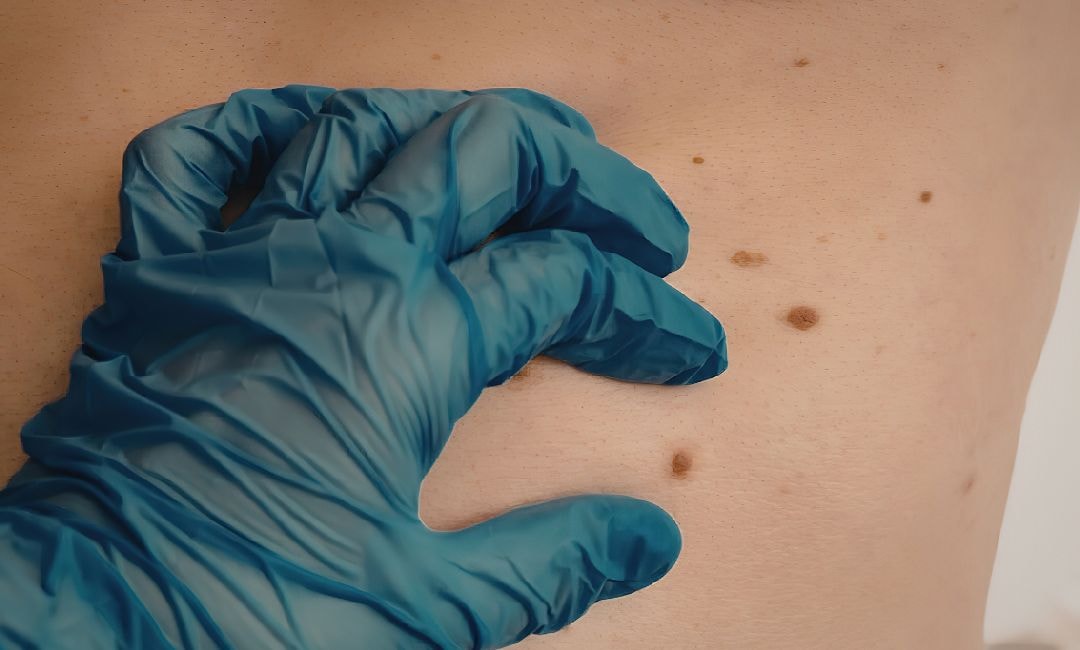
A stage 4 melanoma diagnosis doesn’t mean treatment is limited to managing symptoms. Modern cancer treatment for metastatic melanoma, also called metastatic melanoma, is designed to shrink tumors, extend survival, and, in some cases, achieve long-term remission.
Immunotherapy
This is the most common first-line approach for advanced melanoma. Checkpoint inhibitors have become the backbone of stage IV treatment. Your oncologist may recommend:
- PD-1 inhibitors alone (pembrolizumab or nivolumab) for patients who may not tolerate aggressive combination therapy
- Combined checkpoint inhibitors (nivolumab plus ipilimumab) for patients who need maximum response, particularly those with brain metastases, BRAF-negative tumors, or high tumor burden
Immunotherapy can produce durable responses lasting years. Some patients diagnosed with what was once considered a terminal stage are now living five, seven, or even ten years after starting treatment.
Targeted Therapy
For patients whose melanoma carries a BRAF mutation, BRAF inhibitors combined with MEK inhibitors offer a powerful one-two punch. These new therapies shrink tumors rapidly and are often used when quick tumor reduction is critical, such as when melanoma spreads to areas causing specific symptoms or organ compromise.
Surgery
When melanoma metastases are limited in number and location, surgical removal of the tumor and surrounding tissue remains an option. Surgery is sometimes used to remove isolated brain metastases, lung metastases, or soft tissue tumors before or alongside systemic treatment.
Radiation Therapy
Radiation can be used to target melanoma metastases in the brain, bone, or spinal cord. Stereotactic radiosurgery delivers precise, high-dose radiation to specific areas while sparing surrounding healthy tissue. It’s particularly valuable for brain metastases that aren’t accessible through surgery.
Other Treatment Options
- T-VEC (Imlygic). An injectable oncolytic virus therapy used for melanoma tumor sites that are accessible through the skin. It works by infecting and destroying cancer cells while stimulating an immune response.
- Cell-based therapy (lifileucel). For patients whose cancer has not responded to other treatments, this newer approach uses the patient’s own tumor-infiltrating lymphocytes to fight remaining melanoma cells.
- Clinical trials. Ongoing research is constantly producing new drugs, new combinations, and new therapies for patients whose melanoma hasn’t responded to current treatments. The National Cancer Institute maintains a searchable database of active trials.
Building a Treatment Plan
Most patients receive a combination of approaches, not just one. Your care team will consider your tumor biology, where the cancer has spread, your overall health, and your treatment goals. The plan is dynamic. If one approach stops working, there are usually other medications and strategies to try.
| Treatment | How It Works | Best For |
|---|---|---|
| Checkpoint inhibitors | Unmask cancer cells so the immune system attacks them | First-line treatment for most stage iv patients |
| BRAF/MEK inhibitors | Block specific growth signals in BRAF-mutated tumors | Rapid tumor shrinkage, BRAF-positive melanoma |
| Surgery | Physically removes isolated metastases | Limited metastatic sites |
| Radiation | Targets specific tumors with high-energy beams | Brain, bone, or spinal cord metastases |
| T-VEC | Injectable virus that destroys accessible tumors | Skin or lymph node melanoma metastases |
| Clinical trials | Tests new drugs and combination approaches | Treatment-resistant melanoma |
What “Life Expectancy” Really Means Today
If you’ve searched for stage 4 melanoma skin cancer life expectancy, you’ve probably encountered a wide range of numbers. Some sources say months. Others say years. The disconnect can be confusing and frightening. Here’s how to make sense of it.
Statistics Reflect the Past, Not the Present
Most published survival rates are based on patients diagnosed and treated five or more years ago. That means the numbers you’re reading often reflect outcomes from before the newest immunotherapy drugs and targeted therapy options were available. Current treatments are outperforming those benchmarks, but the statistics haven’t fully caught up.
This is why the American Cancer Society reports a 35% five year survival rate, while individual cancer centers are reporting outcomes closer to 50% with modern protocols.
“Average” Doesn’t Mean “Your”
Survival statistics are calculated from thousands of cancer patients with wildly different tumor types, treatment responses, ages, and health backgrounds. An “average” that includes a 35-year-old marathon runner and an 80-year-old with multiple health conditions isn’t particularly useful for either of them.
What matters more than the population average is how your specific cancer responds to treatment, what options are available to you, and how your body tolerates the process.
Long-Term Survival Is Real
Stage IV melanoma is no longer an automatic death sentence. A growing number of patients are achieving durable remission, sometimes stopping treatment entirely and remaining cancer-free for years. The 2024 study mentioned earlier found that among long-term survivors, 90% were still alive at the time of analysis, with a median survival of six years from their stage 4 diagnosis.
Some oncologists are beginning to use the word “functional cure” for patients who have been in complete remission for five or more years after stopping treatment. It’s still a cautious term, and long-term monitoring remains essential. But it reflects how dramatically the landscape has shifted for people diagnosed with malignant melanoma at its most advanced stage.
Quality of Life Matters Too
Life expectancy isn’t just about duration. Many patients on modern immunotherapy regimens maintain a quality of life that allows them to work, travel, and live normally between treatments. Newer therapies tend to have more manageable side effects than older chemotherapy approaches, though immune-related side effects still require close monitoring.
The conversation with your doctor shouldn’t just be “how long.” It should also be “how well.”
How Early Detection Prevents Stage 4
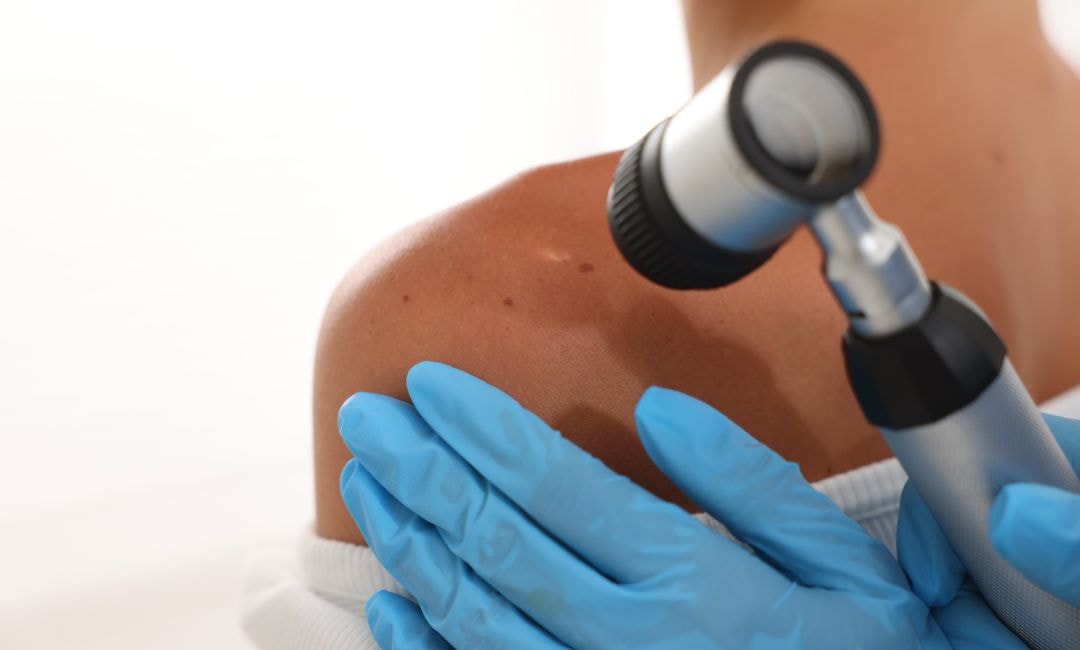
Every stage 4 melanoma started as a stage 1. The difference between catching it early and catching it late is often the difference between a 99% survival rate and a far more uncertain road.
Why Staging Matters So Much
When melanoma is diagnosed in its early stages, while still confined to the top layers of the skin, the five-year survival rate is 99%. A thin melanoma caught before it grows deeper than 1mm is almost always curable with surgical excision alone. No chemotherapy. No immunotherapy. No radiation.
Once melanoma spreads to nearby lymph nodes, survival drops to 76%. When it reaches distant parts of the body, the five-year survival rate falls to 35%. The numbers couldn’t be clearer: catching melanoma early saves lives.
What Early Detection Looks Like
Early detection starts with two things: regular self-exams and professional skin checks.
Monthly self-exams:
- Examine your entire body in front of a mirror, including the scalp, between toes, and the soles of your feet
- Use the ABCDE rule (Asymmetry, Border, Color, Diameter, Evolving) to evaluate any moles or spots
- Pay attention to the “ugly duckling” sign, any mole that looks noticeably different from the others on your body
- Photograph suspicious spots with a ruler for scale and compare them month to month
Annual professional exams:
- A board-certified dermatologist performs a full-body skin exam, using a dermatoscope to see structures invisible to the naked eye
- People at high risk, including those with a family history of melanoma, fair skin, a history of sunburns, or many moles, should be seen more frequently
Who’s at Higher Risk?
Certain groups face a higher likelihood of developing melanoma and should be especially vigilant:
- People with fair skin, light eyes, and red or blonde hair
- Anyone with a history of blistering sunburns, especially in childhood
- People with 50 or more moles
- Those with a first-degree relative who’s had melanoma
- Anyone who has used tanning beds
- People with a weakened immune system
Prevention Is Still the Best Defense
While you can’t eliminate every risk factor, you can reduce your exposure significantly:
- Wear broad-spectrum SPF 30+ sunscreen daily, rain or shine
- Seek shade during peak UV hours (10 AM to 4 PM)
- Wear protective clothing, hats, and UV-blocking sunglasses
- Never use tanning beds
- Check your skin regularly and act quickly if something changes
At Natura Dermatology & Cosmetics, our mission is simple: no one should die from melanoma. We provide thorough full-body imaging and skin exams at our Fort Lauderdale locations, using advanced technology to detect suspicious changes at the earliest possible stage.
Dr. Will Richardson and our team believe that proactive screening is the most powerful tool against skin cancers, and we make it accessible, thorough, and routine for every patient who walks through our doors.
Protect Your Skin’s Future With Natura Dermatology
Stage 4 melanoma is no longer the diagnosis it was a decade ago. Modern immunotherapy, targeted therapy, and emerging treatments are giving patients more time, more options, and more reasons for realistic hope. But the best outcome is still the one where melanoma never reaches this stage at all.
Key takeaways:
- The five-year survival rate for stage 4 melanoma is approximately 35%, though newer treatments are pushing outcomes closer to 50%
- Immunotherapy and targeted therapy have fundamentally changed how advanced melanoma is treated
- Prognosis depends on where the cancer has spread, tumor biology, LDH levels, and response to treatment
- Long-term remission is increasingly possible, with some patients stopping treatment and remaining cancer-free for years
- Early detection at stage 1 carries a 99% survival rate, making regular skin exams one of the most powerful preventive tools available
At Natura Dermatology & Cosmetics, we believe the fight against melanoma starts long before a late-stage diagnosis. Our Fort Lauderdale team offers comprehensive full-body skin exams and advanced imaging to catch changes early, when treatment is simplest and outcomes are strongest.
FAQs
Can you survive stage 4 melanoma?
Yes. Survival rates have improved significantly with modern melanoma treatment options like immunotherapy and targeted therapy. Some patients achieve long-term remission and eventually stop treatment entirely. Many factors influence individual outcomes, but a growing number of people are living five years or more after diagnosis.
What does stage four melanoma look like?
At this stage, the primary tumor may have grown thick and ulcerated, but the bigger concern is what’s happening internally. Melanoma has spread beyond the original tumor site to other organs, distant lymph nodes, or the brain. Symptoms vary depending on where the cancer has traveled and may include lumps under the skin, unexplained weight loss, or organ-specific issues.
What is the late stage of melanoma skin cancer?
Late-stage melanoma refers to stage III and stage IV. In stage III, cancer has spread from the primary tumor to nearby lymph nodes. In stage IV, it has reached distant organs like the lungs, liver, brain, or bone. Treatment at these stages often involves systemic therapies, and adjuvant therapy may be recommended after surgery to reduce the risk of recurrence.
Is stage 4 metastatic cancer considered terminal?
Not necessarily. While stage 4 melanoma is serious, it is no longer automatically considered terminal. Advances in melanoma treatment, including checkpoint inhibitors and cell-based therapies, have made durable remission possible for a meaningful percentage of patients. Adjuvant therapy and ongoing monitoring play key roles in maintaining long-term control after the original tumor and metastases have been treated.


