

Feeling that sudden, patchy hair loss can be unsettling. You might wonder if it will grow, or if it will simply get worse. We understand these concerns and want you to know you’re not alone.
We cover key strategies to help you control alopecia areata and encourage healthy hair growth. Here’s what you can expect:
- Understanding triggers
- Treatment choices
- Lifestyle adjustments
- Long-term management
At Natura Dermatology & Cosmetics, we see firsthand how much confidence healthy skin and hair bring. Our team helps people like you every day, finding solutions that work for them.
Why Your Hair Loses Its Grip
You might suddenly notice hair loss, often in small, round bald patches. This is a tell-tale sign of alopecia areata, an autoimmune condition where your immune system mistakenly attacks your hair follicles. It’s like your body’s defense system gets confused and targets its own healthy cells, specifically those responsible for hair growth.
We see patients come in worried about new bald spots appearing. Sometimes, it’s just a few patches, but for others, it can lead to more extensive hair loss, even affecting body hair. Understanding what triggers this autoimmune response is your first step to managing it.
Common Triggers for Alopecia Areata
Many factors can trigger alopecia areata. It’s rarely just one thing. Often, a combination of events sets off this autoimmune reaction.
- Stress: High stress levels can play a big role. While stress doesn’t directly cause alopecia areata, it can certainly trigger alopecia areata or worsen existing patchy hair loss.
- Genetics: If you have a family history of alopecia areata or other autoimmune diseases, you might be more prone to develop alopecia areata yourself.
- Illness and Infection: Viral infections or other illnesses can sometimes kickstart an autoimmune response. We’ve seen cases where people notice hair loss after a significant sickness.
- Medications: Certain medications can trigger alopecia areata in some people. This is less common but worth considering when you review your medical history.
Recognizing these triggers helps you better understand how to stop alopecia areata from spreading. It’s about knowing your body and what impacts your immune system. If you notice exclamation mark hairs or sudden round bald patches, it’s time to act.
Choosing Your Hair Regrowth Path
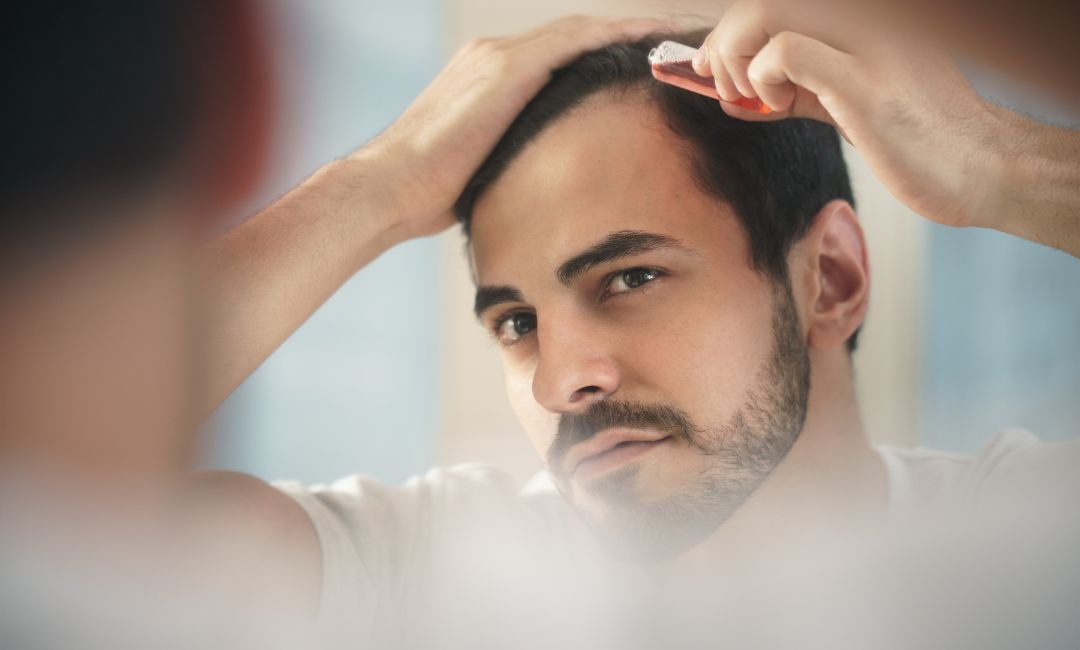
Once you understand what might trigger alopecia areata, the next step is exploring how to treat alopecia areata effectively. There are many treatment options, and what works best for one person might be different for another. Our goal is always to promote hair regrowth and stop further hair loss.
We focus on calming your immune system and stimulating your hair follicles. We help patients see significant hair regrowth through a personalized approach.
Targeted Treatments for Bald Spots
For those dealing with patchy hair loss, we often start with treatments applied directly to the affected areas. These methods concentrate their power where you need it most.
- Topical Corticosteroids: You apply these creams or lotions directly to the affected areas, like your scalp hair. They work to reduce inflammation around the hair shafts, giving your hair follicles a chance to recover. It’s a common first line of defense for patchy alopecia areata.
- Corticosteroid Injections: For smaller, localized bald spots, we often recommend these. We directly inject the medication into your bald patches. This delivers a strong anti-inflammatory drug right where it’s needed, often leading to new hair growth quickly. This method is often very effective for mild to moderate cases.
Broader Solutions for Extensive Hair Loss
When you face extensive hair loss, or if you have severe alopecia areata like alopecia totalis (complete scalp hair loss) or alopecia universalis (complete body hair loss), we look at more comprehensive strategies.
- Oral Medications: For severe cases, oral medications might be an option. These can suppress the immune response more broadly, working to halt the autoimmune disease from spreading further. We carefully weigh the benefits against any potential side effects.
- Topical Immunotherapy: This treatment intentionally causes a mild allergic reaction on the scalp. This can redirect the immune system’s focus away from the body’s hair follicles. It can be very effective in some cases, especially when other topical treatments haven’t worked.
Other Promising Options
We continuously explore and offer the latest in treatment options to help you achieve complete regrowth.
- Oral Minoxidil: This medication, often used for female pattern baldness or female pattern hair loss, can also stimulate hair growth in some alopecia areata patients.
- Nutritional Support: Addressing any nutritional deficiencies can also support healthy hair regrow.
At Natura Dermatology & Cosmetics, we offer these and many other treatments to manage alopecia areata. We craft a personalized plan for you to stop alopecia areata from spreading. Our team, led by Dr. Will Richardson, focuses on solutions that fit your specific needs.
Daily Habits for Healthier Hair
Treatments are powerful, but your daily habits also play a huge role in how to stop alopecia areata from spreading. Making smart lifestyle adjustments can support your immune system and create a better environment for hair regrowth. It’s about more than just what you put on your scalp; it’s about nurturing your whole self.
Reducing Stress to Support Hair Growth
Stress is a known trigger for alopecia areata. While you can’t eliminate all stress, you can learn to manage it better.
- Mindfulness and Meditation: Even a few minutes a day can make a difference. These practices help calm your nervous system, reducing the likelihood of a trigger alopecia areata event.
- Regular Exercise: Physical activity is a fantastic stress reliever. It helps your body produce feel-good hormones and can promote overall well-being, indirectly benefiting your hair follicles.
Nurturing Your Body from Within
What you put into your body matters. A balanced diet and good habits can support your immune function and overall health.
- Balanced Nutrition: Focus on a diet rich in vitamins and minerals. Think about foods that support healthy hair growth, like leafy greens, lean proteins, and healthy fats. Addressing any nutritional deficiencies is a key step.
- Quality Sleep: Your body repairs and regenerates while you sleep. Aim for 7-9 hours of quality sleep each night to help your immune response stay balanced.
- Gentle Hair Care: Be kind to your scalp hair. Avoid harsh chemicals, excessive heat styling, and tight hairstyles that pull on your hair shafts. Our Natura Skincare line offers gentle shampoos and conditioners designed to nourish your scalp without irritation.
- Quit Smoking: Smoking can negatively impact circulation and overall health, potentially hindering hair regrowth.
Making these adjustments helps your body fight the autoimmune condition from the inside out. We’ve seen how these simple changes can significantly impact the progress of alopecia areata patients, often supporting other treatments for complete regrowth.
Planning for the Long Haul
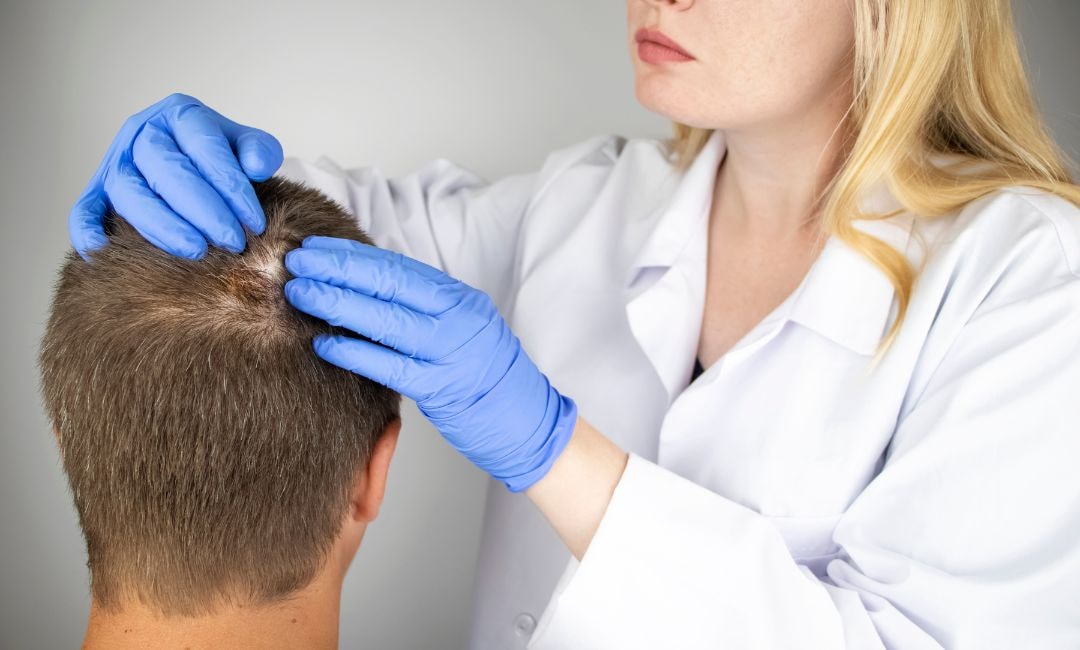
Managing alopecia areata isn’t always a quick fix. It’s often about long-term care and staying proactive to prevent alopecia areata from spreading or recurring. Even after seeing significant hair regrowth, maintaining good habits and ongoing communication with your doctor helps secure lasting results.
Staying Ahead of the Game
We focus on helping you maintain healthy hair and scalp in the long run. This means keeping an eye on your progress and adapting your plan as needed.
- Regular Check-ups: Consistent visits with your dermatologist are key. We monitor your hair growth, check for new bald patches, and adjust your treatment options if necessary. This helps catch any signs of alopecia areata spreading early.
- Tracking Triggers: Continue to pay attention to potential triggers. If you notice specific events or stressors correlate with new bald spots, we can work together to develop strategies to minimize their impact.
- Patience and Persistence: Hair regrowth takes time. It’s important to be patient with the process. Even in severe cases, consistent application of treatments and lifestyle adjustments can lead to positive outcomes. We’ve seen many alopecia areata patients achieve remarkable results through persistence.
When to Seek Further Help
While many cases of patchy alopecia areata respond well to standard treatments, sometimes the condition can be more persistent or lead to extensive hair loss, such as alopecia totalis or alopecia universalis.
- Considering Other Treatments: If initial treatments aren’t giving you the desired hair regrowth, we can explore other treatments. These might include newer therapies or participation in clinical trials for advanced solutions.
- Holistic Support: Addressing the emotional side of hair loss is also important. Connecting with support groups or seeking counseling can be very beneficial for areata patients.
At Natura Dermatology & Cosmetics, we are your partners in this journey. Our team, including Dr. Will Richardson and Blair Ferguson, ARNP, provides continuous support to help you manage alopecia areata. We believe in empowering you with the knowledge and tools to promote complete regrowth and maintain your confidence. Our comprehensive approach helps you not just treat the symptoms, but also understand and control the underlying autoimmune condition.
Your Hair Regrowth Journey with Natura Dermatology & Cosmetics
Taking control of alopecia areata is absolutely possible. By understanding your triggers, exploring effective treatments, and making smart lifestyle adjustments, you empower your body to fight back and encourage hair regrowth. It’s a journey, not a sprint, but positive steps lead to significant change.
Here are your key takeaways:
- Recognize and manage alopecia areata triggers.
- Explore targeted and comprehensive treatment options.
- Adopt lifestyle habits that support healthy hair growth.
- Maintain a proactive approach for long-term well-being.
At Natura Dermatology & Cosmetics, we’re here to help you navigate this path. Our team is ready to create a personalized plan, combining expert care with our supporting Natura Skincare line, so you can confidently achieve your hair and skin goals.
Alopecia Areata FAQs
How can I boost my immune system to fight alopecia?
You can support your immune system by eating a balanced, anti-inflammatory diet rich in vitamins and minerals like D and zinc. Manage stress effectively, get enough sleep, and avoid harsh chemicals on your scalp. These steps create a better environment for your hair follicles.
How to stop alopecia areata from progressing?
To stop alopecia areata from spreading, early intervention is key. Treatments like corticosteroid injections or topical solutions can halt the autoimmune response. Lifestyle changes, like stress reduction and a good diet, also play a vital role in preventing further hair loss, whether it’s a few patches or progressing towards alopecia areata totalis.
What worsens alopecia areata?
High stress, certain illnesses, and sometimes even medications can trigger alopecia areata or make existing patchy hair loss worse. Nutritional deficiencies and a diet high in inflammatory foods may also play a part. In some cases, aggressive forms like ophiasis alopecia areata can develop.
What not to eat in alopecia areata?
Avoid foods that trigger inflammation, such as refined sugars, highly processed foods, and excessively fried foods. Some people find that gluten and dairy can also worsen symptoms, so it’s worth observing your body’s response.
How do you stop the immune system from attacking hair follicles?
The goal is to calm the overactive immune system. Treatments like topical and injected corticosteroids suppress the immune cells that attack hair follicles. Newer therapies, sometimes explored in clinical trials, also aim to modulate this autoimmune reaction to prevent complete hair loss on the scalp or facial hair.


