

That nagging lower back pain. The constant urge to pee. Discomfort during intimacy, you’ve written off as “just how it is.” These aren’t random inconveniences. They’re your body waving red flags about your pelvic floor. According to research, 1 in 6 people experience pelvic pain in their lifetime, yet most women don’t connect their symptoms to overly tight pelvic muscles.
This guide breaks down everything you need to know:
- What a hypertonic pelvic floor actually is
- The surprising causes most women overlook
- Symptoms that signal your pelvic floor is too tight
- How to tell if your muscles are tight vs. weak
- Proven treatments and relaxation techniques
- When it’s time to see a specialist
At Natura Dermatology & Cosmetics in Fort Lauderdale, we take a holistic approach to women’s wellness. Our team can help you explore treatment options tailored to your body’s unique needs.
What Is a Hypertonic Pelvic Floor?
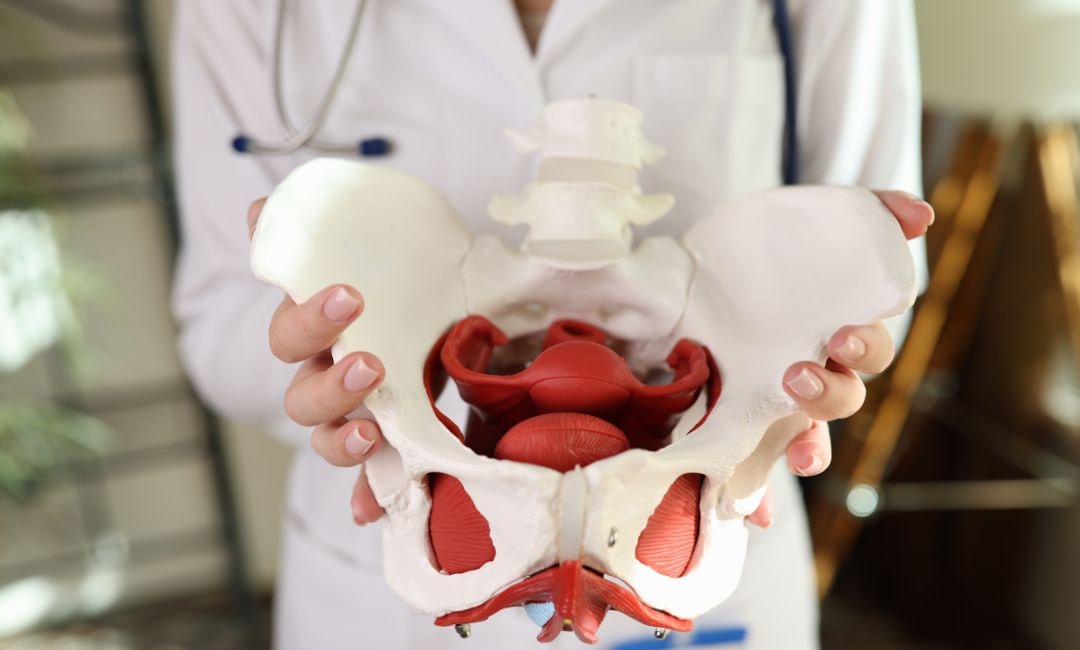
Your pelvic floor is a hammock-like group of muscles stretching from your pubic bone to your tailbone. These muscles support your bladder, bowel, and uterus. They control when you pee, poop, and even how sex feels.
A hypertonic pelvic floor occurs when these muscles become too tense and can’t relax properly. Think of it like a fist that won’t unclench. The muscles stay contracted, sometimes spasming, which restricts blood flow and reduces oxygen to the tissue.
Here’s the tricky part: tight doesn’t mean strong. A hypertonic pelvic floor is very different from a weak pelvic floor, which is what most people think of when they hear “pelvic floor issues.” In fact, these overly tense muscles are often weak because they’re exhausted from constant contraction.
Why This Matters for Your Body
When your pelvic floor muscles can’t relax, everyday functions suffer:
- Bladder control becomes unpredictable
- Bowel movements turn into a struggle
- Intimacy feels uncomfortable or painful
- Chronic pain settles into your pelvis, hips, or lower back
Data suggests that hypertonic pelvic floor occurs in as many as 1 in 10 people, yet it often goes undiagnosed because symptoms mimic other conditions.
Hypertonic vs. Hypotonic: Know the Difference
| Hypertonic (Too Tight) | Hypotonic (Too Weak) |
|---|---|
| Muscles won’t relax | Muscles lack strength |
| Pain during sex or exams | Leakage when coughing or sneezing |
| Difficulty starting urination | Frequent, urgent need to urinate |
| Chronic constipation | Pelvic organ prolapse risk |
If you suspect pelvic floor issues, proper diagnosis is essential. The providers at Natura Dermatology take a holistic approach to women’s wellness and can guide you toward the right specialists for evaluation.
The Surprising Causes Most Women Overlook
Tight pelvic floor muscles don’t happen overnight. They develop gradually, often triggered by habits and conditions you’d never suspect.
Chronic Stress and Anxiety
Your body’s fight-or-flight response is the biggest culprit. When you’re anxious, your pelvic floor muscles contract reflexively. Think about how a scared puppy tucks its tail. Humans do something similar. The tailbone tucks under, shortening the muscles surrounding the pelvic area.
Stay stressed long enough, and those muscles forget how to relax.
The “Hold It” Habit
Avoiding public restrooms? Holding your bladder during long meetings? This trains your pelvic floor to stay clenched. Over time, those muscles lose flexibility and can’t function properly when you actually need them to.
Exercise Habits That Backfire
Ironically, fitness enthusiasts are at high risk. Constantly engaging your core during workouts keeps the pelvic floor switched “on.” Without intentional relaxation, muscle tension builds. High-impact activities and heavy lifting compound the problem.
Medical Conditions
Several health issues contribute to pelvic floor tightness:
- Endometriosis creates chronic inflammation
- Irritable bowel syndrome causes ongoing cramping
- Interstitial cystitis leads to protective muscle guarding
- Recurrent urinary tract infections
Other Risk Factors
| Risk Factor | How It Contributes |
|---|---|
| Vaginal delivery or birth trauma | Scarring causes protective tightening |
| Pelvic surgeries | Post-operative muscle guarding |
| Poor posture | Forces pelvic floor to overcompensate |
| Prolonged sitting | Restricts blood flow to the pelvic area |
| History of trauma or abuse | Creates chronic muscle tension patterns |
If you’ve experienced any of these risk factors, tracking your symptoms can help a healthcare provider identify the root cause faster.
Symptoms That Signal Pelvic Floor Tightness
The tricky thing about pelvic floor muscle dysfunction is that symptoms often mimic other conditions. Many women bounce between specialists for years before getting an accurate diagnosis.
Here’s what to watch for:
Bladder Problems
- Urinary urgency that sends you sprinting to the bathroom
- Urinary frequency (needing to go more than every 2 hours)
- Difficulty starting or maintaining a urine stream
- Incomplete emptying after urination
- Bladder leaks despite having “strong” muscles
- Phantom UTI symptoms without actual infection
Bowel Issues
- Chronic constipation
- Straining during bowel movements
- Feeling like you can’t fully empty
- Pain with passing gas
Pain Patterns
This is where things get confusing. Tight muscles develop trigger points that refer pain to unexpected places:
- Lower back pain
- Hip stiffness or pain
- Tailbone pain (especially when sitting)
- Groin discomfort
- Deep pelvic aching
- Pain between your sit bones
Sexual Dysfunction
- Painful sex (during or after penetration)
- Burning or tearing sensation at the vaginal opening
- Difficulty achieving orgasm
- Pain during orgasm
- Discomfort during gynecological exams
The “Phantom UTI”
One common symptom deserves special attention. Many women experience vulvar and urethral pain, frequent urination, and urgency. They test negative for infection, yet the symptoms persist. This is often overactive pelvic floor muscles irritating the bladder and urethra.
If you’ve been treated for UTIs repeatedly with no resolution, pelvic floor tension may be the real issue.
How to Tell If Your Muscles Are Tight vs. Weak
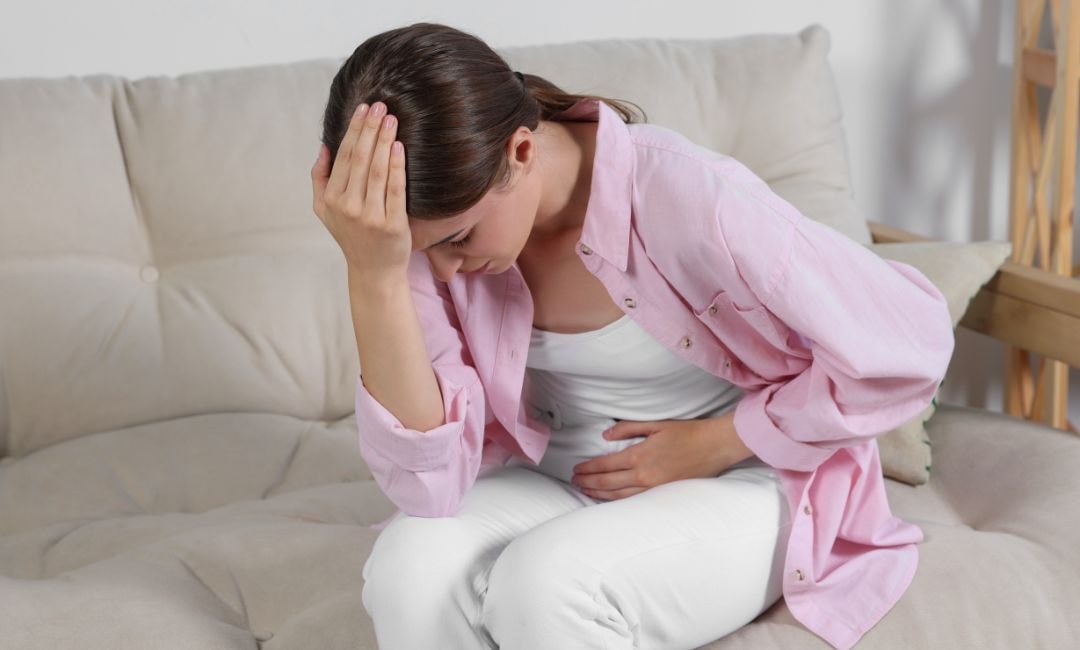
This distinction matters more than you might think. Getting it wrong can make your symptoms worse.
Many women assume pelvic floor exercises (Kegels) are the answer to every pelvic problem. But if your muscles are already hypertonic, adding more contractions is like telling someone with a clenched fist to squeeze harder.
Signs of Tight Pelvic Floor Muscles
- Pain in the pelvic area, hips, or lower back
- Difficulty starting urination or bowel movements
- Painful sex or tampon insertion
- Chronic constipation
- Muscle spasms or cramping sensations
Signs of Weak Pelvic Floor Muscles
- Experience leakage when coughing, sneezing, or exercising
- Tampons that slip out easily
- Feeling of heaviness or “something falling out”
- Reduced vaginal sensation
- Urinary incontinence that worsens with physical activities
The Overlap Problem
Here’s what confuses everyone: you can have both tight and weak muscles simultaneously. Overactive pelvic floor muscles are often exhausted and weak from constant contraction. They’re stuck in a shortened position, unable to generate power.
A pelvic floor physical therapist can perform an internal exam to assess your muscle tone, strength, and coordination. They’ll check for:
- Resting tension levels
- Ability to contract on command
- Ability to fully relax
- Trigger points or tender spots
- Coordination between muscle groups
Important:Don’t self-diagnose. The symptoms of tight and weak pelvic floors overlap significantly. An incorrect exercise routine could set you back months.
Proven Treatments and Relaxation Techniques
The good news? Pelvic floor dysfunction is highly treatable. Most women see significant improvement with conservative approaches. No surgery required.
Pelvic Floor Physical Therapy
Working with a pelvic floor PT is the gold standard treatment. These specialists focus specifically on the neuromuscular system of the pelvis.
What to expect during physical therapy sessions:
- Manual therapy: Gentle internal and external techniques to release tight muscles
- Trigger point release: Targeted pressure on painful knots
- Biofeedback: Sensors track your muscle activity in real-time, helping you learn to relax
- Movement retraining: Correcting patterns that contribute to muscle tightness
- Education: Understanding your anatomy and what’s driving your symptoms
Research shows biofeedback helps over 75% of people with pelvic floor dysfunction gain better muscle control.
Deep Breathing Techniques
Your diaphragm and pelvic floor work as partners. When you inhale deeply, your diaphragm descends, and your pelvic floor naturally drops and lengthens.
Try this:
- Lie on your back with knees bent
- Place one hand on your chest, one on your belly
- Inhale slowly, letting your belly rise (not your chest)
- As you breathe in, visualize your pelvic floor gently dropping
- Exhale and let everything return to neutral
- Repeat for 5 minutes daily
This simple practice helps manage symptoms and retrains your nervous system to release muscle tension.
Stretches That Help
Certain positions encourage the pelvic floor to lengthen:
- Happy Baby pose: Lie on your back, grab your feet, let your knees fall open
- Deep squat: Hold for 30-60 seconds, allowing the pelvic outlet to open
- Child’s pose: Rest with knees wide, forehead on the floor
- Butterfly stretch: Sit with soles of feet together, let knees drop
Lifestyle Adjustments
Small changes support pelvic floor health:
- Stop holding it: Use the bathroom when your body signals
- Maintain a healthy weight: Reduces pressure on pelvic structures
- Manage stress: Chronic anxiety keeps muscles tight
- Stay hydrated: Concentrated urine irritates the bladder
- Eat fiber: Prevents constipation and straining
- Avoid bladder irritants: Caffeine, alcohol, and spicy foods can trigger urgency
Medical Interventions
When conservative treatments aren’t enough, your healthcare professional may recommend:
- Muscle relaxants
- Trigger point injections
- Botox injections for severe muscle spasms
- Vaginal dilators or wands for internal release
At Natura Dermatology, we believe in treating the whole person. Our providers can help coordinate your care and connect you with the right specialists for your pelvic health needs.
When It’s Time to See a Specialist
Don’t wait until symptoms take over your life. Early intervention leads to faster recovery.
See a Healthcare Provider If You Experience:
- Pelvic pain lasting more than a few weeks
- Pain during sexual activity
- Bladder or bowel symptoms that disrupt daily routines
- Symptoms that worsen despite home remedies
- Recurring “UTIs” with negative test results
- Pain that interferes with work, exercise, or relationships
What to Expect at Your Appointment
Your healthcare provider will start by reviewing your medical history and asking detailed questions about:
- Bladder and bowel habits
- Sexual function and any pain
- Exercise routines
- Stress levels
- Previous pregnancies or surgeries
A physical exam typically includes an external assessment of the hips, abdomen, and lower back. With your consent, an internal exam evaluates the pelvic floor muscles directly. This isn’t painful, just mildly uncomfortable.
Types of Specialists Who Can Help
| Specialist | What They Treat |
|---|---|
| Pelvic floor physical therapist | Muscle retraining, manual therapy, exercises |
| Urogynecologist | Complex pelvic floor disorders, surgical options |
| Gynecologist | Women’s health concerns, initial evaluation |
| Urologist | Bladder and urinary issues |
| Gastroenterologist | Bowel-related symptoms |
Getting an Accurate Diagnosis
Additional tests may include:
- Urodynamic testing to evaluate bladder function
- Anorectal manometry to assess bowel control
- Electromyography (EMG) to measure muscle coordination
- Imaging studies if structural issues are suspected
Pelvic floor tightness is common. But common doesn’t mean normal, and it definitely doesn’t mean you should just live with it.
Treatment works. Physical therapy alone resolves symptoms for most women. The key is getting the right diagnosis and starting early.
If symptoms persist despite your best efforts, don’t give up. Ask for a referral to a pelvic floor specialist. Your quality of life is worth it.
Pelvic Floor Relief Starts With Natura Dermatology
Tight pelvic floor symptoms don’t have to control your life. Recognizing the signs early, understanding the causes, and seeking proper treatment can restore comfort and confidence. Your body is sending signals. Now you know how to listen.
Key Takeaways:
- A hypertonic pelvic floor means muscles are too tense, not too strong
- Stress, holding habits, and overexercising are common hidden causes
- Symptoms include urinary urgency, painful sex, constipation, and chronic pelvic pain
- Tight and weak muscles require different treatments, so accurate diagnosis matters
- Pelvic floor physical therapy is the gold standard for recovery
- Deep breathing and targeted stretches support relaxation at home
- Early intervention leads to faster, better outcomes
At Natura Dermatology & Cosmetics, we believe women’s health deserves a holistic approach. Our Fort Lauderdale team can guide you toward the right specialists and complementary treatments to support your pelvic wellness journey.
Ready to take the next step? The team at Natura Dermatology & Cosmetics takes a holistic approach to women’s health. Whether you need guidance on where to start or want to explore complementary treatments, we’re here to help you feel like yourself again. Book a consultation at our Fort Lauderdale location today.
FAQs
How do you know if your pelvic floor is tight for a female?
Common signs include pelvic pain, painful sex, difficulty starting urination, and chronic constipation. You may also notice hip stiffness or tailbone discomfort. Tension in the obturator internus and other muscles surrounding the pelvis often accompanies these symptoms. A pelvic floor physical therapist can confirm the diagnosis through internal examination.
How do you relieve a tight pelvic floor?
Deep breathing exercises help the most. Inhale slowly, letting your belly expand while visualizing your pelvic floor dropping. Stretches like the happy baby pose and deep squats encourage lengthening. Pelvic floor physical therapy provides manual release and biofeedback training. Avoid Kegels until a specialist confirms they’re appropriate for you.
What does pelvic pain feel like during pregnancy?
Pregnancy-related pelvic pain often feels like deep aching, pressure, or sharp discomfort in the lower abdomen, hips, or groin. Some women describe it as heaviness or a stretching sensation. Pain may worsen when walking, climbing stairs, or turning in bed. The pelvic floor muscles wrap around organs under increasing pressure as pregnancy progresses.
What can be mistaken for a tight pelvic floor?
Several conditions mimic pelvic floor tightness. Urinary tract infections, overactive bladder, endometriosis, and irritable bowel syndrome share similar symptoms. Interstitial cystitis causes bladder pain and urgency. Hip joint problems and lower back issues can also refer pain to the pelvic area. Proper evaluation rules out other symptoms with different root causes.
How does pregnancy affect the pelvic floor?
Pregnancy increases pressure on the pelvic floor as the uterus expands. Hormonal changes soften ligaments, reducing support. Some women develop tightness from protective guarding, while others experience weakness. Vaginal delivery can cause trauma, scarring, or muscle injury. Maintaining a healthy bowel routine and gentle stretching during pregnancy helps preserve pelvic floor function.


