

Are you tired of quick fixes that don’t last? Many approaches promise instant results, but real change takes a smarter strategy. We show you the truth about sustainable weight loss.
We’ll cut through the noise, giving you clear insights into options that actually work. Here’s what we’ll cover:
- Healthier eating plans
- Prescription medications, including GLP-1s
- Surgical solutions
- Low-carb strategies
- Smart exercise routines
- Personalized nutrition programs
At Natura Dermatology & Cosmetics, we believe in helping you look and feel your best. Our team works with you to find solutions that fit your life.
Build a Healthier Plate
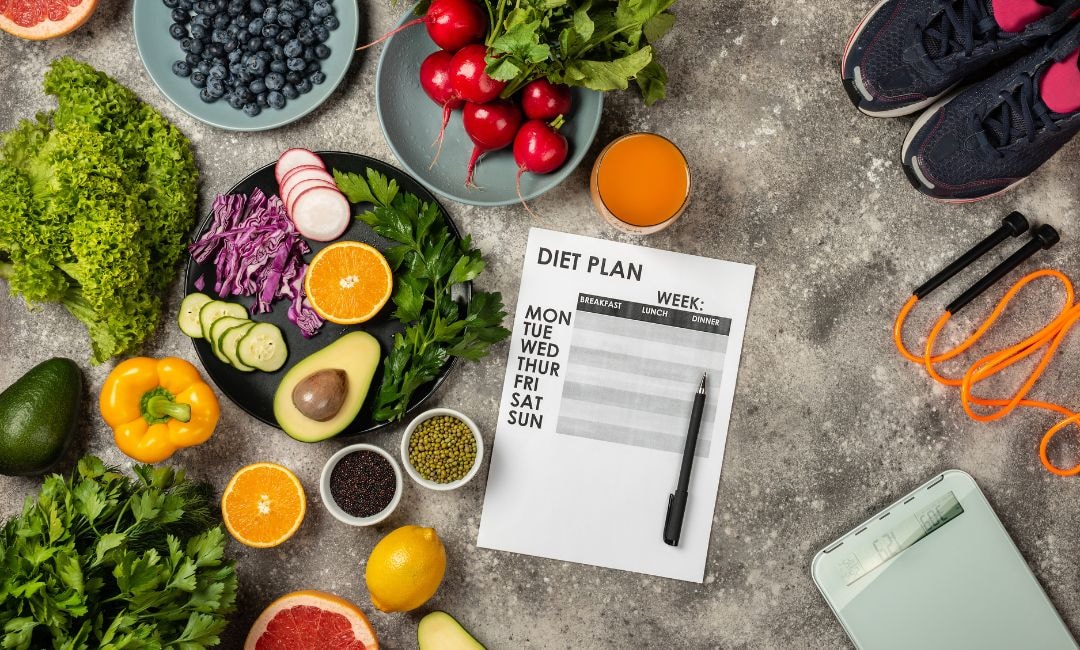
Want to lose weight? It often starts with what you eat. Many people think “diet” means deprivation, but we focus on a healthier eating plan that supports steady weight loss and helps you reach a healthy weight. It’s about changing your habits, not just cutting calories for rapid weight loss.
We know it’s easy to get caught up in fad diets. They promise quick fixes, but often lead to weight regain. Our approach helps you understand food choices and create a balanced diet for lasting results. We want you to feel good and get the health benefits you deserve.
Popular Healthy Eating Approaches
It’s about more than just eating fewer calories. Focus on nutrient-dense foods. Think lean proteins, whole grains, fruits, and vegetables. These healthy foods keep you full, providing the fuel your body needs without excess weight gain.
- Mediterranean Diet: This plan emphasizes fruits, vegetables, whole grains, legumes, nuts, seeds, and olive oil. You eat fish and poultry in moderation, with red meat less often. It’s great for overall health and steady weight loss.
- DASH Diet (Dietary Approaches to Stop Hypertension): Originally for high blood pressure, DASH is also excellent for weight reduction. It focuses on vegetables, fruits, and whole grains, with fat-free or low-fat dairy products, fish, poultry, beans, nuts, and vegetable oils.
- Flexitarian Diet: This approach is mostly plant-based but allows for occasional meat, poultry, or fish. It gives you flexibility while pushing you toward healthier eating.
A healthy diet isn’t just about what you cut out; it’s about what you add in. This shift in eating habits promotes weight loss and sets you up for a healthier life. It’s about a sustainable lifestyle, not a temporary fix.
Master Your Macronutrients
Understanding proteins, fibers, and healthy fats helps you lose excess weight. These play key roles in satiety and energy.
- Protein Power: Foods like chicken breast, fish, eggs, lentils, and Greek yogurt are packed with protein. Protein helps you feel full and satisfied, making you eat fewer calories. It also helps preserve muscle mass as you lose body weight.
- Fiber Fantastic: Found in oats, beans, berries, broccoli, and apples, fiber adds bulk to your meals. It aids your digestive system and boosts satiety hormones, meaning you feel full longer.
- Healthy Fats Are Your Friends: Avocados, nuts (almonds, walnuts), seeds (chia, flax), and olive oil provide essential fatty acids. These healthy ones are crucial for overall health and can help manage your appetite, preventing constant hunger.
Beyond the Plate: Mindful Eating & Lifestyle
Many people look for a very low-calorie diet or a quick fix to jump-start weight loss. While a low-calorie diet can kick things off, long-term success comes from consistent, healthy eating. Sustainable change prevents weight regain.
Think about how you eat, not just what. Intermittent fasting, or time–restricted eating, can be a tool for some. It helps you manage your carbohydrate intake and overall calorie diet without feeling deprived.
However, always consult a healthcare professional before making big changes, especially if you have existing health problems like high blood pressure, heart disease, or kidney diseases. Your lifestyle habits, including physical activity and sleep, also play a huge part in weight management.
| Key Strategy | How It Helps Weight Loss & Health |
|---|---|
| Mindful Eating | Paying attention to hunger cues, slowing down meals, and savoring food can lead to eating fewer calories. |
| Consistent Sleep | Poor sleep can disrupt hormones that control appetite, leading to weight gain. Aim for quality rest. |
| Stress Management | Chronic stress can affect your mental well-being and lead to emotional eating. Find healthy coping methods. |
Medication: A Helping Hand for Weight Loss
Sometimes, diet and exercise alone aren’t enough to achieve significant weight reduction. If you’ve struggled to lose excess weight, prescription weight loss medications might offer a valuable tool. These aren’t magic pills, but they can support your efforts and help you reach a healthy weight.
We look at how these medications work and what to consider. They are typically prescribed for individuals with a higher body mass index (BMI) or those with weight-related health problems like high blood pressure or sleep apnea. Always discuss options with a healthcare professional.
How Weight Loss Drugs Work
Prescription weight loss drugs tackle different aspects of your body’s metabolism and appetite. They can help you consume fewer calories by:
- Reducing Appetite: Some medications work on your brain to decrease hunger signals, helping you feel fuller on less food.
- Increasing Satiety: Others boost your body’s natural satiety hormones, making you feel satisfied more quickly after eating.
- Blocking Fat Absorption: A few medications prevent your body from absorbing some of the fat you eat.
These tools, when combined with a healthy diet and increased physical activity, can lead to impressive results. They are part of a comprehensive weight management plan.
The Rise of GLP-1 Medications
GLP-1s, or glucagon-like peptide-1 receptor agonists, are a big topic in weight loss today. Drugs like Ozempic and Tirzepatide (which are in a class called dual GIP/GLP-1 agonists) have shown significant promise. They work by mimicking natural hormones your body releases after you eat.
Here’s what GLP-1s do:
- Slow Gastric Emptying: This means food stays in your stomach longer, making you feel full for an extended period.
- Reduce Appetite: They send signals to your brain that curb hunger.
- Improve Blood Sugar Control: While primarily for type 2 diabetes, this effect also helps prevent blood sugar spikes that can lead to cravings.
Many people report substantial average weight loss with these medications. We’ve seen patients achieve a healthy weight and improve conditions like high blood pressure and other health problems.
Surgical Solutions: A Path to Significant Weight Loss
For some, especially those with significant excess weight and related health problems, surgical solutions offer the most effective path to a healthy weight. Bariatric surgery isn’t a first step for everyone, but it can provide substantial, lasting weight reduction when other methods haven’t worked.
We understand that considering surgery is a big decision. It’s a powerful tool for weight management, designed to help you lose weight and keep it off. This approach involves major lifestyle changes, but the health benefits can be life-changing.
Types of Bariatric Surgery
Bariatric surgery works by changing your digestive system. This helps you eat fewer calories and feel full faster, leading to a major drop in body weight.
Here are the most common procedures:
- Sleeve Gastrectomy: This removes about 80% of your stomach, leaving a smaller, banana-shaped “sleeve.” This limits how much food you can eat and also reduces ghrelin, the hunger hormone. It’s a popular choice for consistent weight loss.
- Roux-en-Y Gastric Bypass: This surgery creates a small stomach pouch and reroutes a portion of your small intestine. Food bypasses most of your stomach and the first part of your small intestine. This significantly reduces calorie absorption and promotes weight loss quickly.
- Adjustable Gastric Band: A band is placed around the top of your stomach, creating a small pouch. Your doctor can adjust the band to control how much food you can eat. While less common now, it’s reversible.
Each surgery has its own risks and benefits. A healthcare professional helps you decide which option is best for your specific health condition and weight loss goals.
Beyond the Operation: Life After Surgery
Bariatric surgery is not a quick fix. It’s a tool that requires serious commitment to lifestyle changes. To prevent weight regain and ensure long-term success, you’ll need to adopt new eating habits and maintain physical activity.
- Portion Control: You’ll eat much smaller meals. Your stomach simply can’t hold as much.
- Nutrient Absorption: Some surgeries can affect how your body absorbs vitamins and minerals. You’ll likely need lifelong supplements.
- Follow-Up Care: Regular check-ups with your surgeon, a registered dietitian, and other specialists are crucial for monitoring your progress and addressing any issues.
Many patients see dramatic improvements in conditions like high blood pressure, type 2 diabetes, sleep apnea, and even heart disease. It’s a true transformation towards a healthier life. We’ve seen firsthand how effective it can be when patients are committed to their weight loss journey.
Thinking about surgical options for weight loss? Dr. Michael Choi has done over 5,000 successful surgeries and has locations in Miami and Fort Lauderdale. He can help you understand if you are a good fit for these surgical solutions and will guide you to comprehensive care.
Low-Carb Strategies: Rewiring Your Metabolism
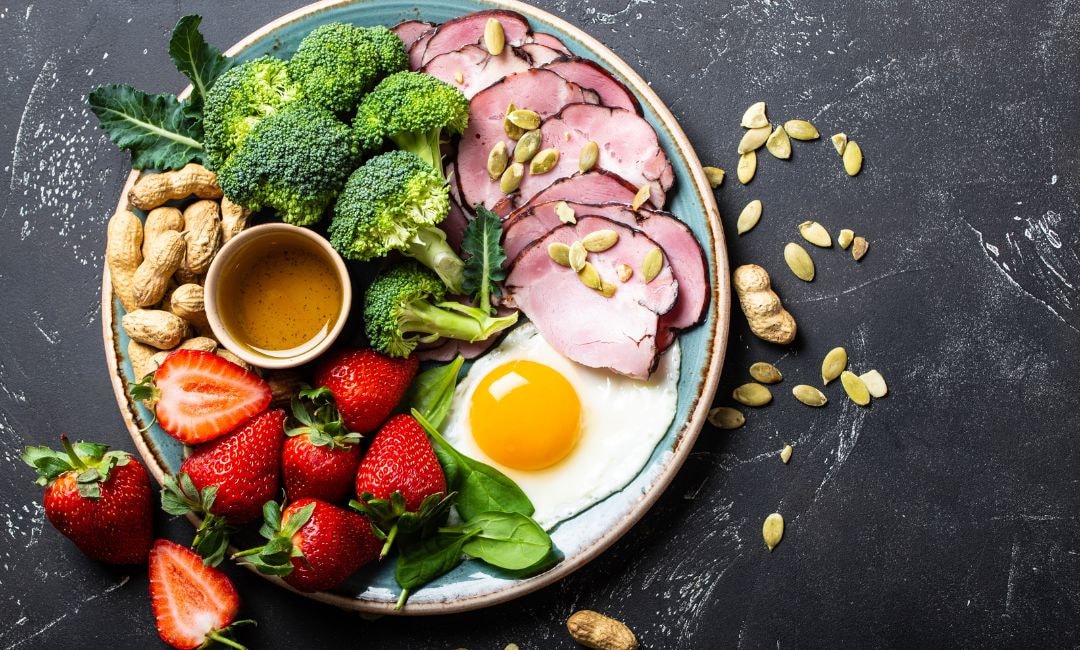
Low-carb strategies focus on reducing your carbohydrate intake, which can be a powerful way to promote weight loss. When you cut down on carbs, especially refined grains and sugary foods, your body starts to burn stored fat for energy. This shift in metabolism helps you lose excess weight effectively.
How Low-Carb Works for Weight Loss
The idea behind low-carb is simple: carbs turn into sugar in your body. Too much sugar can lead to insulin spikes, which tell your body to store fat. By reducing carbs, you keep insulin levels more stable.
Here are some key benefits:
- Fat Burning: Your body becomes more efficient at burning fat for fuel, helping you lose weight quickly.
- Reduced Cravings: Stable blood sugar means fewer intense cravings for unhealthy foods.
- Increased Satiety: Focusing on protein and healthy fats, common in low-carb eating, boosts satiety hormones. You feel full and satisfied.
Popular low-carb diets include ketogenic (very low carbohydrate intake) and Atkins. However, you don’t need to go to extremes. Even a moderate reduction in carbohydrate intake can yield significant weight reduction.
Making Smart Low-Carb Choices
To make a low-carb approach work for you, focus on healthy foods. This means plenty of non-starchy vegetables, lean proteins, and healthy fats.
| Food Group | Low-Carb Examples | What to Limit/Avoid |
|---|---|---|
| Proteins | Chicken, fish, beef, eggs, tofu | Processed meats with added sugar |
| Vegetables | Broccoli, spinach, cauliflower, bell peppers, asparagus | Potatoes, corn, peas (starchy vegetables) |
| Fats | Avocado, olive oil, nuts, seeds | Trans fats, excessive saturated fats |
| Dairy | Full-fat Greek yogurt, cheese (in moderation) | Sugary yogurts, low-fat dairy with added sugar |
| Grains/Starches | Small amounts of quinoa, berries (for some plans) | Bread, pasta, rice, sugary cereals, refined grains |
Smart Exercise Routines: Move Your Way to a Healthy Weight
Physical activity is a non-negotiable part of any successful weight loss program. Exercise helps you burn calories, build muscle, and boost your metabolism. It’s not just about how much weight you lose; it’s about improving your overall health and mental well–being.
The Power of Movement
Exercise impacts your body weight and health in numerous ways beyond just burning calories. It helps reduce health problems like high blood pressure, heart disease, and can even improve sleep apnea.
Here’s why smart exercise is key:
- Calorie Burn: All movement burns calories. The more intense or longer your physical activity, the more calories you use.
- Muscle Building: Muscle burns more calories at rest than fat does. Building lean muscle helps you lose weight and keeps your metabolism humming.
- Metabolic Boost: Regular exercise improves your body’s ability to process food and use energy efficiently.
- Mood Elevation: Physical activity releases endorphins, making you feel better and more motivated on your weight loss journey.
Crafting Your Effective Workout Plan
To see a steady weight loss, aim for a mix of cardiovascular exercise and strength training. This combination is highly effective.
- Cardio for Calorie Burn: Activities like brisk walking, jogging, swimming, cycling, or dancing get your heart rate up. Aim for at least 150 minutes of moderate intensity or 75 minutes of vigorous intensity cardio each week. Even short bursts of activity, like 10-minute walks, add up.
- Strength Training for Muscle: Use weights, resistance bands, or your own body weight (think push-ups, squats). Do strength training 2-3 times per week. Building muscle helps your body become a more efficient fat-burning machine.
Personalized Nutrition Programs: Your Unique Blueprint for Success
We know that no two bodies are exactly alike. What works for one person to lose weight might not work for you. That’s why personalized nutrition programs are a game-changer for effective and sustainable weight loss. These programs move beyond one-size-fits-all diet plans, creating a blueprint specifically for your body, your lifestyle, and your weight loss goals.
Why Generic Diets Often Fail
Many people jump from one fad diet to another, only to experience weight regain. This often happens because generic diets don’t account for individual differences like:
- Metabolism: Your unique metabolic rate dictates how efficiently your body burns calories.
- Health Conditions: Existing health problems, such as digestive and kidney diseases, high blood pressure, or blood sugar imbalances, require specific dietary considerations.
- Food Preferences & Sensitivities: If you dislike certain healthy foods or have sensitivities, a rigid diet plan becomes impossible to stick to.
- Lifestyle: Your daily schedule, stress levels, and physical activity dictate how practical certain eating habits are.
A personalized nutrition program addresses these factors, making it easier to stick to your plan and achieve steady weight loss.
Natura’s Medical Weight Loss & Body Sculpting Program

At Natura Dermatology & Cosmetics, we offer a unique approach to weight loss that combines cutting-edge medical treatments with body sculpting technologies. Our Natura’s Medical Weight Loss Injection & Body Sculpting Program provides a comprehensive path to a healthier weight and a more confident you. We believe in helping you achieve your weight loss goals and maintain your healthy weight.
We integrate Tirzepatide Therapy, an FDA-approved weekly subcutaneous injection. Patients on average typically lose up to 50 lbs over 6 months of treatment. Tirzepatide helps reduce food intake and decreases appetite by slowing stomach emptying and sending signals of fullness to the brain. This makes it easier to consume fewer calories.
Our program also includes VITAMIN B12 + MIC (Methionine, Inositol, and Choline) injections. This powerful blend helps facilitate weight loss and boosts energy. It aids in the breakdown of fat and helps your liver process fats efficiently, making weight loss easier. These injections also:
- Aids proper metabolism of fats and removes fat from the liver.
- Boost your metabolism by playing a key role in the digestion and metabolism of fats, proteins, and carbohydrates.
- Provide an energy boost.
- Improve mood, thought processes, and memory.
- Provide essential components for normal brain and cell function.
- Lower cholesterol levels.
- Reduce homocysteine levels, which are linked to increased risk of heart attack, stroke, or dementia.
- Help keep skin tone healthy and nails strong.
- Promote healthy hair growth.
We combine these injections with advanced body sculpting treatments. Our 6-week Weight Loss Injection & Body Sculpting program includes:
- 1 Tirzepatide Injection per week
- 1 MIC-B12 Injection per week
- 1 Emsculpt NEO abdominal or flank treatment per week
- 1 Ultraslim red light fat reduction treatment per week
- 1 Lymphatic vibration treatment per week
For more intensive results, our 12-week Weight Loss Injection & Body Sculpting program offers:
- 1 Tirzepatide Injection per week
- 1 MIC-B12 Injection per week
- 2 Emsculpt NEO treatments per week – 2 muscle groups of choice
- 2 Ultraslim red light fat reduction treatments per week
- 2 Lymphatic vibration treatments per week
This comprehensive program helps you not only lose excess weight but also sculpt your body, improving your overall health and confidence. We provide a powerful tool to help you achieve your weight reduction goals.
Your Weight Loss Journey with Natura Dermatology & Cosmetics
Finding the right path to a healthy weight means looking at all your options. We’ve explored everything from smarter eating to advanced medical programs. Success comes from understanding what truly works for you.
Here are your key takeaways:
- Sustainable weight loss means ditching fad diets for healthier eating habits.
- Prescription medications, like GLP-1s, can be powerful tools when guided by professionals.
- Surgical solutions offer significant weight reduction for specific cases.
- Low-carb strategies can rewire your metabolism and boost fat burning.
- Smart exercise routines are crucial for burning calories and building muscle.
- Personalized nutrition programs tailor plans to your unique needs for lasting results.
At Natura Dermatology & Cosmetics, we offer comprehensive support through our Medical Weight Loss Injection & Body Sculpting Program. We provide the tools and expertise to help you achieve your weight loss goals and transform your body with confidence.
FAQs
What is the most successful weight loss method?
The most successful weight loss method combines sustainable lifestyle changes: a healthier eating plan, regular physical activity, and strong mental well-being. What works best often depends on the individual.
What is the most successful weight loss treatment?
The “most successful” treatment varies. For some, it’s personalized nutrition and exercise. For others, it involves prescription weight loss medications like GLP-1s, or even bariatric surgery, especially when combined with comprehensive lifestyle support.
How to lose 20 pounds in a month?
Losing 20 pounds in a month is often considered rapid weight loss and might not be safe or sustainable for everyone. It would typically require a very low-calorie diet and intense physical activity. Always consult a healthcare professional for a safe and healthy plan.
What is the 30/30/30 method for losing fat?
The 30/30/30 method typically involves consuming 30 grams of protein within 30 minutes of waking up, followed by 30 minutes of low-intensity physical activity. The goal is to jump-start your metabolism and control appetite throughout the day, aiming for steady weight loss.


