

Ever feel that sudden, uncontrollable urge to “go,” even when you just went? You’re definitely not alone. Millions experience this daily, and it can feel embarrassing, frustrating, and even limit your activities. But bladder leaks don’t have to control your life.
This guide will empower you with the knowledge you need. We’ll cover:
- What exactly is urinary incontinence (and what’s not)?
- The difference between general incontinence and “urge incontinence” (that sudden, intense need to pee).
- How BTL Emsella offers a revolutionary, non-invasive solution for regaining bladder control.
Here at Natura Dermatology & Cosmetics, we do more than just skin. We offer a range of services, such as the BTL Emsella, for conditions like urinary incontinence.
What Exactly is Urinary Incontinence? (And What’s Not)
Urinary incontinence isn’t just “getting older” or something you have to live with. It’s a medical condition characterized by the involuntary loss of urine. This means any accidental leakage – from a few drops to a full bladder emptying – counts.
It’s not simply needing to pee frequently. While frequent urination can be a symptom of some types of incontinence, it’s also a symptom of many other things (like drinking lots of fluids, or a urinary tract infection). It also is Not occasional leakage from laughing to hard, or sneezing. It’s when those small urine leaks, or full-blown accidents are occurring, and are consistent.
What Causes Urinary Incontinence?
Several factors can contribute, and often it’s a combination:
- Weakened Pelvic Floor Muscles: These muscles support your bladder and urethra (the tube urine passes through). Pregnancy, childbirth, surgery, and even chronic coughing can weaken them.
- Nerve Damage: Conditions like diabetes, multiple sclerosis, or Parkinson’s disease can interfere with the signals between your brain and bladder.
- Bladder Irritants: Certain foods and drinks (like caffeine, alcohol, and artificial sweeteners) can irritate the bladder, increasing urgency and frequency.
- Medications: Some medications, like diuretics (“water pills”), can increase urine production.
- Underlying Medical Conditions: Urinary tract infections, constipation, and even an enlarged prostate (benign prostatic hyperplasia, or BPH) can contribute.
Why This Matters?
It might seem like a small issue, but stress urinary incontinence can significantly impact your quality of life. It can lead to:
- Social isolation and embarrassment.
- Skin irritation and infections.
- Reduced physical activity.
- Sleep disturbances.
- Opportunity for a case study.
The good news? It’s often treatable, and sometimes even preventable. And we should state that here at Natura Dermatology & Cosmetics, you don’t need to live life around a leaky bladder.
General Incontinence vs. “Urge Incontinence”: What’s the Difference?
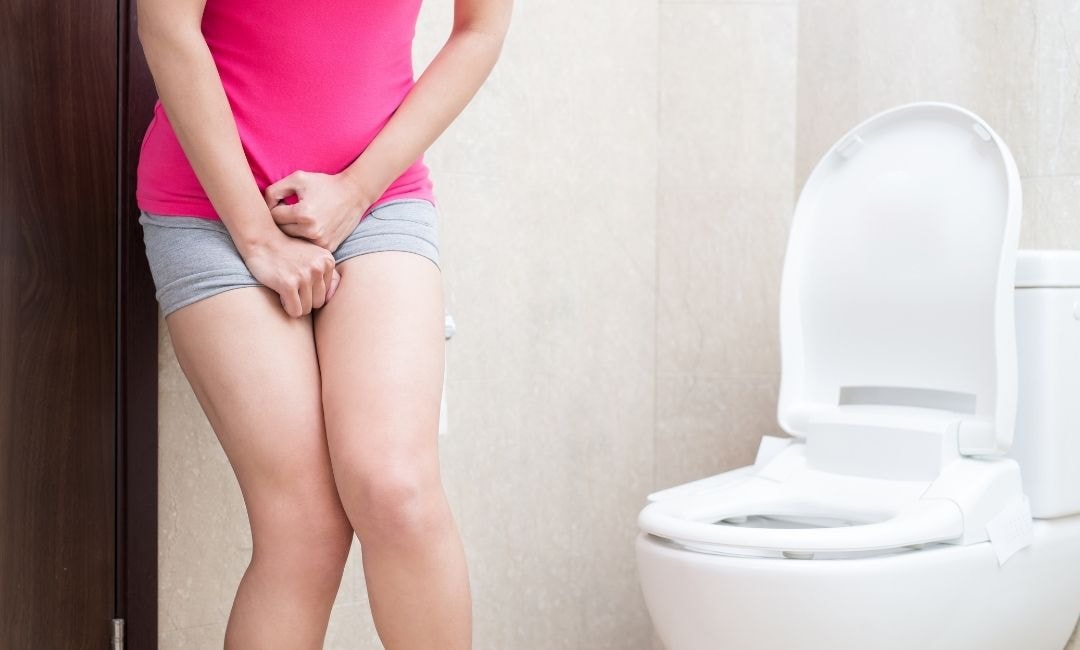
While “urinary incontinence” is the umbrella term, there are different types of urinary incontinence, each with its own unique characteristics and underlying causes. Understanding the distinction is key to finding the right treatment.
General Incontinence: The Broad Picture
This is the overarching category. It refers to any involuntary leakage of urine. This could be a few drops when you cough or sneeze (stress incontinence), a constant dribbling (overflow incontinence), or a complete inability to control your bladder (functional incontinence). It can be caused, as we have listed in the previous section, from:
- Weakened Pelvic Floor Muscles
- Nerve Damage
- Bladder Irritants
- Medications
- Underlying Medical Conditions
Urge Incontinence: The Sudden Surge
Urge incontinence, also known as overactive bladder (OAB), is a specific type of incontinence. The defining feature is a sudden, intense urge to urinate that’s difficult, or impossible, to control. This often leads to leakage before you can reach a toilet. It’s like your bladder suddenly screams, “NOW!” and you have little to no warning.
| Feature | General Incontinence | Urge Incontinence (OAB) |
|---|---|---|
| Main Symptom | Any involuntary urine leakage | Sudden, intense urge to urinate, often with leakage |
| Trigger | Varies (coughing, sneezing, activity, etc.) | Often no clear trigger; the urge comes on suddenly |
| Underlying Cause | Diverse (weak muscles, nerve damage, etc.) | Overactive bladder muscles, nerve problems, or unknown |
| Feeling | Leakage may be predictable or unpredictable | Intense, sudden urgency, often with little warning |
Why the Distinction Matters?
Knowing the type of incontinence you’re experiencing is vital because the treatments can differ significantly. What works for stress incontinence (like Kegel exercises) might not be as effective for urge incontinence. While solutions are available, some solutions, like BTL Emsella, can help with many different forms of incontinence, versus just one.
BTL Emsella: Reclaim Control, Without Surgery
Tired of planning your life around bathroom breaks? Embarrassed by leaks? BTL Emsella offers a breakthrough solution for urinary incontinence – and it’s completely non-invasive. No surgery, no downtime, just real results.
What Is Emsella?
Emsella utilizes High-Intensity Focused Electromagnetic (HIFEM) technology. Basically, it’s a special chair that delivers thousands of supramaximal pelvic floor muscle contractions in a single session. Imagine doing 11,000 Kegel exercises in 28 minutes – without any effort on your part!
How Does It Work?
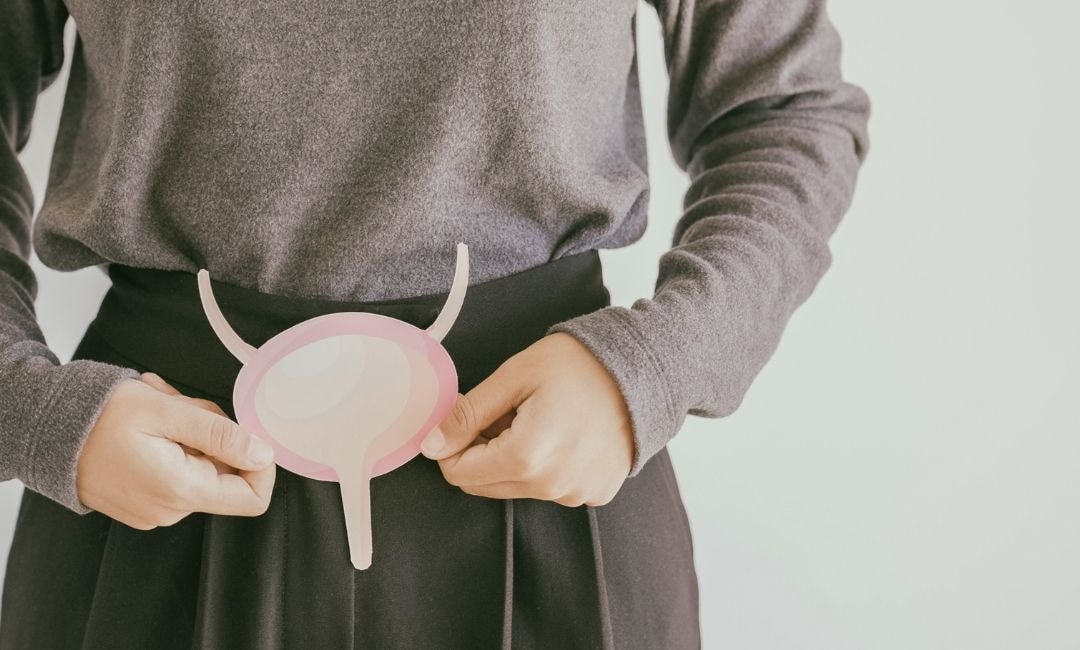
These powerful contractions strengthen and re-educate the pelvic floor muscles, the very muscles responsible for bladder control. It’s like a super-charged workout for your pelvic floor, restoring the support your bladder needs. By strengthening these muscles, Emsella addresses the root cause of many types of incontinence, including both stress and urge incontinence.
The Benefits: Beyond Bladder Control
- Non-Invasive: No surgery, no needles, no anesthesia.
- Convenient: Treatments are short (around 30 minutes), and you remain fully clothed.
- Effective: Many patients experience significant improvement after just a few sessions.
- No Downtime: You can resume your normal activities immediately after treatment.
- Improved Quality of Life: Regain confidence, freedom, and control.
- There is potential for a compelling case study to highlight before and after improvements.
Is Emsella Right for You?
Emsella is an excellent option for individuals experiencing:
- Stress incontinence (leakage with coughing, sneezing, etc.)
- Urge incontinence (sudden, intense urges)
- Mixed incontinence (a combination of stress and urge)
- Weakened pelvic floor muscles after childbirth or surgery.
At Natura Dermatology & Cosmetics, we’re committed to providing comprehensive solutions for your well-being, inside and out. We understand the sensitive nature of chronic urinary incontinence and offer a discreet, comfortable environment where you can explore treatment options with our expert team.
We’ll assess your specific needs and determine if Emsella is the right path for you. We don’t just treat skin; we help you regain control and confidence in all aspects of your life.
Regain Control and Confidence with Natura Dermatology
Urinary incontinence can feel isolating and limiting, but it doesn’t have to define you. There are effective solutions, and understanding the type of incontinence you’re experiencing is the first step toward regaining control.
Remember these key points on your urinary system incontinence:
- Urinary incontinence is a medical condition, not just “aging.”
- Urge incontinence involves a sudden, intense urge to urinate.
- BTL Emsella offers a non-invasive way to strengthen pelvic floor muscles.
- Effective treatments are available, so don’t suffer in silence.
At Natura Dermatology & Cosmetics, we believe in treating the whole person. We’re not just about skin; we’re about helping you live your life to the fullest. BTL Emsella is just one of the many ways we empower our patients to regain confidence and control, starting from within.
FAQs About Bladder Troubles
What are the signs that something is wrong with your bladder?
It’s not always dramatic leaks. Pay attention to these potential red flags:
– Frequent Urination: Feeling the need to go much more often than usual (more than 8 times a day, or waking up multiple times at night).
– Sudden Urges: Experiencing a sudden, intense urge to urinate that’s hard to control.
– Leakage: Any accidental loss of urine, whether it’s a few drops or a full bladder.
– Difficulty Starting or Emptying: Trouble starting the urine stream or feeling like you haven’t fully emptied your bladder.
– Pain or Burning: Discomfort during urination. (This could also indicate an infection, so see a doctor!)
What are the 4 types of incontinence?
While there are several variations, the four main types are:
1. Stress Incontinence: Leakage caused by pressure on the bladder (coughing, sneezing, laughing, exercising).
2. Urge Incontinence (Overactive Bladder): Sudden, intense urge to urinate, often followed by leakage.
3. Overflow Incontinence: Constant dribbling of urine due to a bladder that doesn’t empty completely.
4. Functional Incontinence: Physical or mental impairments prevent you from reaching the toilet in time.
What is the main cause of urinary incontinence?
There isn’t one single “main” cause. It’s often a combination of factors. However, weakened pelvic floor muscles are a very common contributor, especially in women. Other factors include:
– Nerve Damage
– Certain medication
– Medical Conditions
How do you deal with urinary incontinence?
There are many effective ways to manage and even treat incontinence. Here’s how:
– Lifestyle Changes: Like modifying your diet, and fluid intake, and bladder training.
– Pelvic Floor Exercises (Kegels): Strengthening those crucial muscles.
– Medications: Some medications can help relax the bladder or reduce spasms.
– Non-Invasive Treatments: Like BTL Emsella, which strengthens the pelvic floor without surgery.
– Surgery: In some cases, surgery may be an option.
The best approach depends on the type and severity of your incontinence. That’s why the first, most crucial step, is speaking with our professionals at Natura.


