

It’s one of those things nobody talks about at dinner. A cough, a sneeze, a laugh that catches you off guard, and suddenly you’re dealing with something you definitely didn’t plan for. If this sounds familiar, you’re far from alone. Studies show that up to 37% of women experience stress urinary incontinence at some point in their lives.
The good news? This is treatable. And in most cases, it doesn’t require surgery. This guide covers everything you need to understand what’s happening, why, and what you can actually do about it.
Here’s what we’ll cover:
- What stress urinary incontinence actually is
- The most common causes behind bladder leaks
- Pelvic floor exercises that work (beyond basic Kegels)
- Lifestyle changes that make a real difference
- When to see a doctor
- How peptide therapies can support tissue repair and recovery
At Natura Dermatology & Cosmetics, we offer peptide therapy programs designed to support your body’s natural repair processes, including tissue recovery and cellular regeneration. If you’re exploring options beyond traditional treatments, our Fort Lauderdale team can help.
What Stress Urinary Incontinence Actually Is
Stress urinary incontinence (SUI) is the most common type of incontinence, and it happens when sudden pressure on the bladder causes urine to leak. A cough, a sneeze, a heavy lift, even a good laugh. Any of these can trigger it.
Here’s the mechanics: your bladder stores urine until you’re ready to go. The pelvic floor muscles and the urethral sphincter work together to keep the urethra closed. When those muscles weaken or the structures supporting the bladder and urethra shift out of position, even moderate pressure is enough to cause urine leaks.
This is not the same as an overactive bladder, which involves a sudden, uncontrollable urge to urinate. With stress incontinence, there’s no urge. Just pressure, then a leak.
Who’s Most Affected?
Stress incontinence is significantly more common in women. Studies suggest that up to 37% of women will experience it at some point. But it’s not exclusively a woman’s issue. Men can develop stress incontinence too, particularly after prostate surgery.
You’re more likely to develop stress incontinence if you have one or more of these risk factors:
- Pregnancy and childbirth (especially vaginal delivery)
- Menopause
- History of pelvic surgery
- Chronic coughing (from smoking, asthma, or allergies)
- Carrying excess weight
- Family history of incontinence
If any of this sounds familiar, don’t feel embarrassed. This is a medical condition, not a personal failing. And it’s very treatable.
Common Causes Behind Bladder Leaks

Understanding why you leak is the first step toward fixing it. In almost every case, stress incontinence comes down to weakened support structures around the bladder.
Pregnancy and Childbirth
This is the leading cause for women. During pregnancy, the growing baby puts pressure on the bladder and stretches the pelvic muscles. Vaginal delivery can further weaken or damage the muscles surrounding the urethra.
Women who deliver a baby vaginally are roughly twice as likely to develop stress incontinence compared to those who deliver via cesarean. For many mothers, the symptoms show up during or right after pregnancy, though some don’t notice issues until years later.
Hormonal Changes
During menopause, estrogen levels drop significantly. Estrogen helps keep the tissues of the urethra and pelvic floor healthy and elastic. When levels decline, those tissues thin and weaken, making incontinence more likely to develop.
Chronic Coughing and Smoking
If you have a persistent cough from allergies, asthma, or smoking, your pelvic floor takes a beating every single day. Each cough puts pressure on the bladder. Over time, the repetitive force causes the muscles to weaken. Quitting smoking addresses both the cough and the direct tissue damage that nicotine causes.
Weight and Lifestyle Factors
Excess body weight increases the constant pressure on your bladder and pelvic floor. Even losing 5-10% of your body weight can lead to noticeable improvement in symptoms.
| Cause | How It Contributes | Reversible? |
|---|---|---|
| Pregnancy/childbirth | Stretches and weakens pelvic muscles | Often yes, with therapy |
| Menopause | Reduces tissue elasticity | Partially, with treatment |
| Chronic cough | Repetitive strain on pelvic floor | Yes, by treating the cause |
| Excess weight | Constant pressure on bladder | Yes, with weight management |
| Pelvic surgery | Can damage support structures | Depends on severity |
Pelvic Floor Exercises That Actually Work
You’ve probably heard of Kegel exercises. They’re the go-to recommendation for a reason. Research shows that properly performed pelvic floor exercises can improve stress incontinence symptoms by up to 70%. But there’s a catch: most people do them wrong, and Kegels alone aren’t always enough.
Getting Kegels Right
The goal is to regularly tighten and release the pelvic floor muscles, which are the same muscles you’d use to stop urine mid-stream. Here’s how to do them properly:
- Find the right muscles. Imagine you’re trying to prevent urination. The muscles you engage are your pelvic floor.
- Contract and hold for 5 seconds while breathing normally.
- Release fully for 5 seconds.
- Repeat 10 times, three times per day.
- Progress gradually to 10-second holds as your strength improves.
Pro tip: If you can’t feel the contraction, or if you’re unsure whether you’re engaging the right muscles, see a physical therapist who specializes in pelvic floor therapy. Getting the technique wrong can actually make things worse.
Beyond Kegels
To truly strengthen the muscles that prevent leaks, you need to train your pelvic floor in combination with movements your body actually performs in daily life.
- Bridges. Lie on your back with knees bent. Squeeze your glutes and pelvic muscles, then lift your hips off the floor. Hold for 5-10 seconds. Repeat 10 times.
- Deep squats. Standing squats engage your core and the muscles surrounding the pelvis. The deeper you go, the more your pelvic floor has to work.
- Diaphragmatic breathing. Coordinate your breath with pelvic floor contractions. Inhale and relax the pelvic floor. Exhale and engage it. This trains the muscles to respond to changes in abdominal pressure, which is exactly what happens when you cough.
- Clamshells. Lie on your side with knees bent. Open your top knee like a clamshell while keeping your feet together. This strengthens the hip and glute muscles that support pelvic floor function.
Consistency is everything. Most people start noticing improvement after 4-6 weeks of daily practice.
Lifestyle Changes That Make a Real Difference
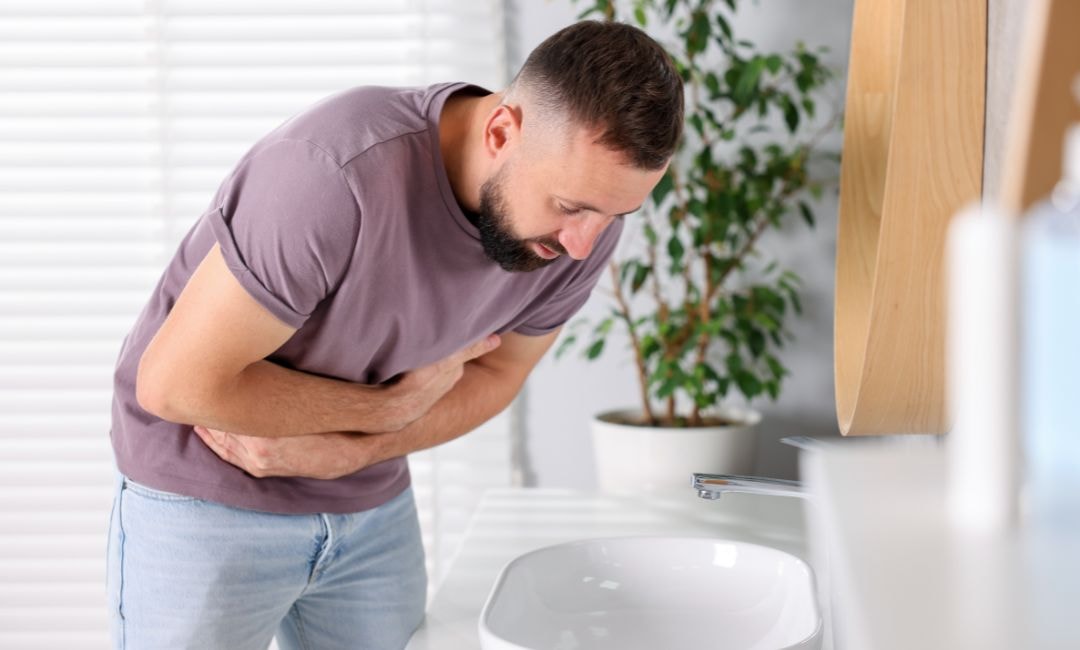
Pelvic floor exercises are the foundation. But lifestyle changes can dramatically reduce pressure on the bladder and speed up your progress.
Maintain a Healthy Weight
This is one of the most impactful things you can do. Extra weight creates constant downward pressure on your pelvic organs. Losing weight reduces that load, and studies consistently show that even modest weight loss leads to better bladder control. You don’t need a dramatic transformation. Losing weight steadily, even 5-10 pounds, can make a measurable difference.
Rethink Your Drinking Habits
We’re not just talking about alcohol (though that’s worth reducing too). Caffeine, carbonated drinks, and artificial sweeteners can all irritate the bladder muscle and increase frequent urination. You don’t need to cut fluids. You need to choose smarter ones. Water is your best option. Spread your intake throughout the day rather than drinking large amounts at once, and reduce fluids in the evening to prevent leaks overnight.
Try Bladder Training
Bladder training is a structured approach to gradually increase the time between bathroom visits. Instead of going “just in case,” you set scheduled intervals and slowly extend them. Over a few weeks, this retrains your bladder to hold more urine and reduces the urgency that sometimes accompanies stress incontinence.
Other Changes Worth Making
- Stop smoking. Quitting smoking eliminates chronic coughing and improves tissue health.
- Avoid heavy objects when possible, or brace your pelvic floor before lifting.
- Eat enough fiber. Constipation puts strain on the pelvic floor. A high-fiber diet keeps things moving and helps reduce pressure on other organs.
- Manage your cough. If allergies or asthma are the root cause of chronic coughing, treating those conditions directly will reduce the strain on your body.
When to See a Doctor
Many people manage mild stress incontinence on their own with exercises and lifestyle changes. But there are clear signs that it’s time to get professional help.
Book an Appointment If:
- Urine leakage is interfering with your daily activities or social life
- You’ve been doing pelvic floor exercises for 6-8 weeks with no improvement
- You’re experiencing symptoms of both stress and urge incontinence (mixed incontinence)
- You notice a skin rash or irritation from prolonged urine contact
- You suspect pelvic organ prolapse (a feeling of heaviness or bulging in the pelvic area)
- Symptoms started after pregnancy, childbirth, or pelvic surgery
What to Expect at Your Visit
Your doctor will likely start with a symptom review and may ask you to keep a bladder diary for a few days. From there, they may perform a physical exam, a pelvic exam, or a urinary stress test (where you cough with a full bladder to observe leakage).
Treatment Options Beyond Exercises
Depending on severity, your doctor may recommend:
- Pelvic floor therapy with a specialized physical therapist
- A vaginal pessary, a device that supports the urethra to prevent urination during activity
- Urethral bulking, a minimally invasive injection to help the urethra close more effectively
- Surgery, such as a sling procedure, for severe cases that don’t respond to other treatments
The right treatment depends on your symptoms, your body, and your goals. But here’s the key takeaway: you have options. And the sooner you address it, the easier it is to regain control.
How Peptide Therapies Can Support Recovery

While pelvic floor exercises and lifestyle changes form the foundation of treatment, emerging research is exploring how peptide therapies may complement the recovery process by supporting your body’s natural tissue repair.
What Peptides Do
Peptides are short chains of amino acids that act as signaling molecules in the body. Certain peptides have been studied for their ability to accelerate tissue regeneration, reduce inflammation, and promote collagen production. All of which are relevant when you’re trying to strengthen weakened pelvic muscles and connective tissue.
BPC-157 and Tissue Repair
BPC-157 (Body Protection Compound-157) is one of the most researched peptides for recovery. Originally derived from a protein found in gastric juice, it has shown promising results in preclinical studies for:
- Accelerating soft tissue healing in muscles, tendons, and ligaments
- Promoting new blood vessel formation (angiogenesis), which delivers nutrients to damaged tissue
- Reducing inflammation without suppressing the body’s beneficial healing responses
- Supporting connective tissue repair, which is directly relevant to pelvic floor recovery
Early research has specifically explored BPC-157’s potential for improving muscle and connective tissue healing related to urinary function, suggesting it may support pelvic floor rehabilitation.
TB-500 for Muscle Recovery
TB-500 (Thymosin Beta-4) is another peptide studied for its role in muscle repair and recovery. It works by promoting cell migration to injured areas and supporting the body’s natural regeneration processes. For individuals dealing with weakened pelvic muscles after pregnancy, surgery, or prolonged strain, this type of targeted recovery support is worth discussing with a provider.
A Complementary Approach
Peptide therapy isn’t a standalone fix for stress incontinence. Think of it as one layer in a comprehensive strategy that includes pelvic floor exercises, lifestyle changes, and professional guidance. The goal is to give your body the best possible environment to heal and rebuild.
At Natura Dermatology & Cosmetics, we offer a range of peptide therapy programs, including BPC-157, TB-500, and cellular-recharge peptides designed to support tissue recovery and regeneration. If you’re exploring ways to complement your pelvic health journey, our Fort Lauderdale providers can build a plan tailored to your needs.
It’s important to note that peptide therapies should always be administered under medical supervision. Discuss any new treatment with your healthcare provider to ensure it’s appropriate for your situation.
Regain Control With Natura Dermatology
Urinating when coughing is common, but it’s not something you have to live with. The right combination of targeted exercises, smarter daily habits, and professional support can make a real difference. Most people see improvement within weeks of taking action.
Key takeaways:
- Stress urinary incontinence is the most common cause of leaking urine when you cough, sneeze, or laugh
- Weakened pelvic floor muscles from pregnancy, menopause, or chronic coughing are the usual culprits
- Kegel exercises work, but combining them with bridges, squats, and diaphragmatic breathing delivers better results
- Lifestyle changes like maintaining a healthy weight, adjusting drinking habits, and quitting smoking reduce pressure on the bladder
- Peptide therapies like BPC-157 and TB-500 may support tissue repair and pelvic recovery
- See a doctor if symptoms persist after 6-8 weeks of consistent effort
At Natura Dermatology & Cosmetics, we offer both peptide therapy programs and Emsella, a non-invasive treatment that strengthens pelvic floor muscles using high-intensity electromagnetic technology. Think of it as thousands of Kegels in a single session, fully clothed. If you’re ready to stop urine leakage and take back control, our Fort Lauderdale team can help you find the right treatment plan.
FAQs
How to fix peeing when coughing?
Start with daily pelvic floor exercises and lifestyle changes like maintaining a healthy weight. If those don’t stop urine leakage within a few weeks, see a specialist. Medical procedures like Emsella, pessaries, or sling surgery can treat stress incontinence effectively depending on severity.
What causes urine when coughing?
When you cough, sudden pressure on the bladder forces urine leaves through a weakened urethra. This happens when the pelvic floor muscles can’t generate enough counter-pressure to keep things closed. Common causes of stress incontinence include pregnancy, menopause, chronic coughing, and excess weight.
How do I stop my urine from leaking when I cough?
Strengthen your pelvic floor with Kegels, bridges, and deep squats. Lose excess weight to reduce pressure on the bladder. For faster results, pelvic floor therapy with a physical therapist or treatments like Emsella can help you stop urine leakage and regain better control of your urinary system.
Why did pee come out when I coughed?
Your pelvic floor muscles weren’t strong enough to counteract the sudden abdominal pressure from your cough. When those muscles weaken, even a small force can cause you to leak urine. This is stress incontinence, and it’s one of the most treatable bladder conditions.
Is it normal to pee a lot when you cough?
It’s common, but that doesn’t mean it’s something to ignore. Frequent leaking during coughing signals that your pelvic floor needs attention. The good news is that most people achieve better control through consistent exercises, lifestyle adjustments, and if needed, medical procedures that treat stress incontinence at the source.


