

You have tried Kegels. The pain did not budge. Here’s what most people never hear: if your pelvic floor is already too tight, strengthening it makes things worse. So what is pelvic floor massage, and why do therapists reach for it first? The answer may reframe everything.
Inside this guide:
- What pelvic floor massage actually involves
- Conditions it helps treat
- External versus internal techniques
- What happens in a session
- Safe self-care and alternatives
Natura offers Emsella assessment for urinary incontinence associated with weak pelvic floor muscles. Emsella is a separate treatment approach from hands-on pelvic floor physical therapy. Pain or difficulty relaxing the muscles may require evaluation by a pelvic health clinician or specialist physical therapist.
What Is Pelvic Floor Massage
Pelvic floor massage is a form of manual therapy that targets the muscles, connective tissue, and trigger points of the pelvic floor, aiming to reduce excessive muscle tension, improve tissue mobility, and restore normal function.
Your pelvic floor is a hammock of muscles and connective tissues stretching from your pubic bone to your tailbone. These pelvic muscles support your bladder, bowel, and reproductive organs. They also control continence and play a role in sexual function.
When those muscles hold chronic tension, problems follow. Trained pelvic floor physical therapists use gentle, targeted pressure to release tight muscles, calm muscle spasms, and restore normal movement.
This is not a spa treatment. Pelvic floor massage is a clinical technique performed by licensed professionals as part of a comprehensive treatment plan, usually alongside breathing work, stretching, and eventually strengthening.
Pro tip: If Kegels made your symptoms worse, that’s a meaningful clue. A hypertonic pelvic floor needs release before it needs strengthening.
Why Tight Pelvic Floor Muscles Cause Problems
Most people assume pelvic floor issues mean weakness. That assumption sends countless patients down the wrong path.
Hypertonic versus hypotonic
Pelvic floor problems may stem from reduced strength, persistent muscle tightness, impaired coordination, or more than one of these factors:
- Hypotonic (too weak): Muscles cannot generate enough support, leading to leaking and pelvic organ prolapse
- Hypertonic (too tight): Muscles stay clenched and cannot relax, causing pain, urgency, and dysfunction
Both create pelvic floor dysfunction. Both cause urinary symptoms. Treatment may include relaxation, coordination or strengthening depending on the assessment; weakness and excessive tension can coexist.
For people with pelvic floor muscle tension, jumping straight into strengthening exercises can sometimes make things worse, which is where manual therapy becomes an essential first step.
Common causes of pelvic tension
Chronic tension develops for many reasons:
- Childbirth, especially after vaginal delivery or tearing
- Pelvic trauma or surgery leaving scar tissue
- Chronic stress, since the pelvic floor clenches under threat
- Aging and hormonal changes
- Prolonged sitting and poor posture
- Habitual clenching you may not even notice
Our guide on how to tell if your pelvic floor is tight or weak helps you spot which pattern fits your symptoms.
When Manual Therapy May Help
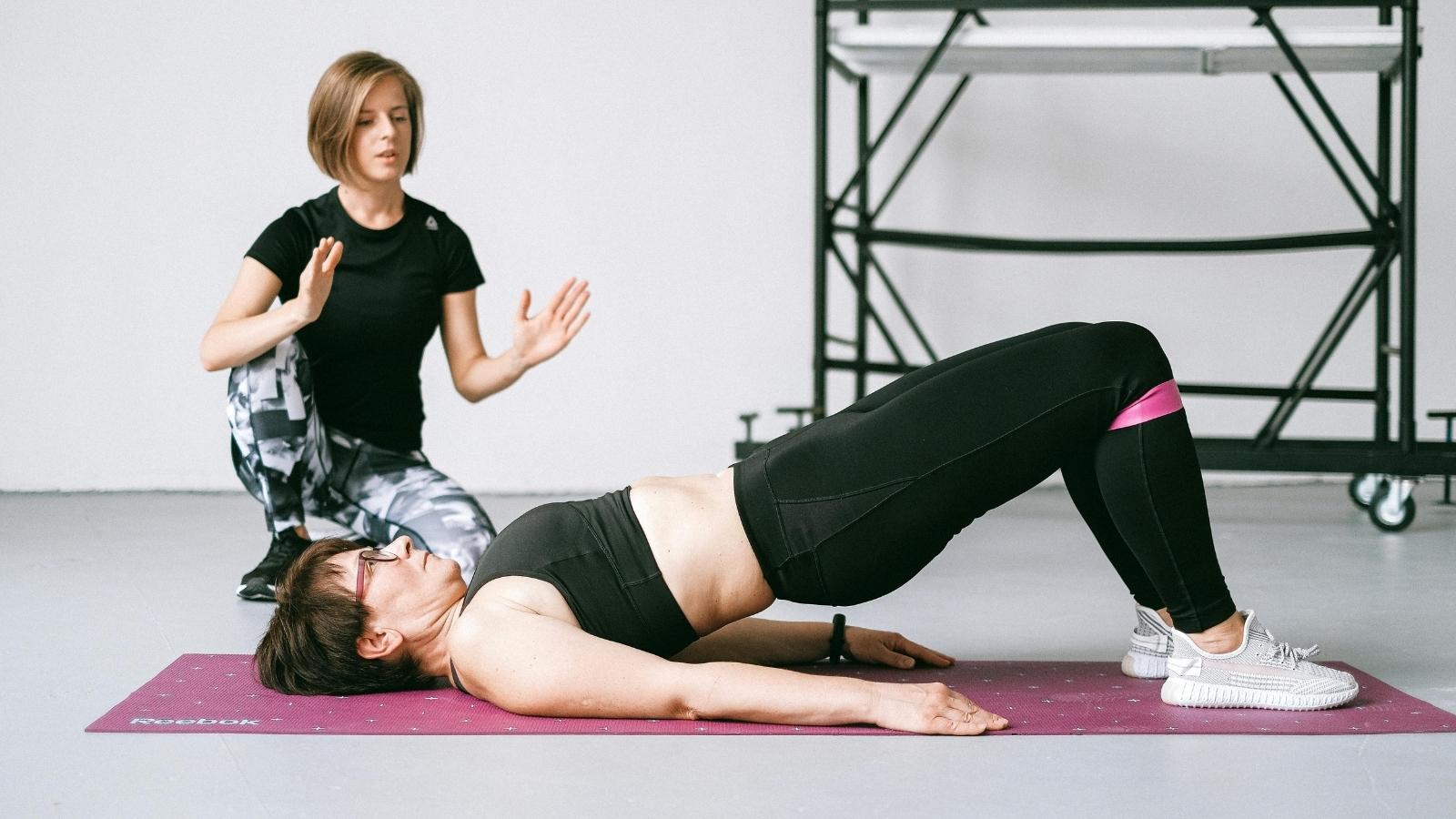
A pelvic floor physical therapist may use manual techniques when muscle tenderness, restricted movement or difficulty relaxing contributes to symptoms. These techniques may be part of care for pelvic pain, pain with intercourse or certain bowel and bladder symptoms.
Symptoms do not establish their own cause. Infection, prolapse, neurological conditions and other problems may require different care. Weakness and excessive muscle tension can also coexist. An assessment determines whether relaxation, coordination, strengthening, manual treatment or referral is appropriate. Published results in a specific patient group should not be presented as an expected response for everyone.
External and Internal Techniques
Pelvic floor massage takes two forms. Many people start with external work and progress only if appropriate.
External techniques
External massage focuses on muscles surrounding the pelvis without any internal work. Therapists target the inner thighs, hip flexors, glutes, lower abdomen, perineum, and the connective tissue around the tailbone and sacrum.
Common external methods include:
- Myofascial release to free restricted connective tissue
- Trigger point release using sustained pressure on tight knots
- Circular pressure release with gentle, steady pressure in slow circular movements
- Perineal sweeping, applying direct pressure along the perineum
- Soft tissue mobilization to remodel scar tissue
Releasing tight hip flexors alone can let the pelvis return to neutral, easing strain on the pelvic floor. External work also warms up tissue before any deeper approach.
Internal techniques
Internal pelvic floor massage reaches muscles inside the vaginal or rectal canal. A therapist uses a gloved, lubricated finger or a specialized tool to identify tight muscles and trigger points directly.
This sounds intimidating, and that reaction is completely normal. It is also a well-established, evidence-based technique when performed by a trained professional. Crucially, it is never mandatory.
Internal manual therapy is a valid treatment option when clinically appropriate, but it is never required and should always be guided by the patient’s comfort, understanding, and ongoing consent. You can decline it, pause it, or stop entirely at any point, and good therapists build progress around your boundaries.
What Happens in a Session
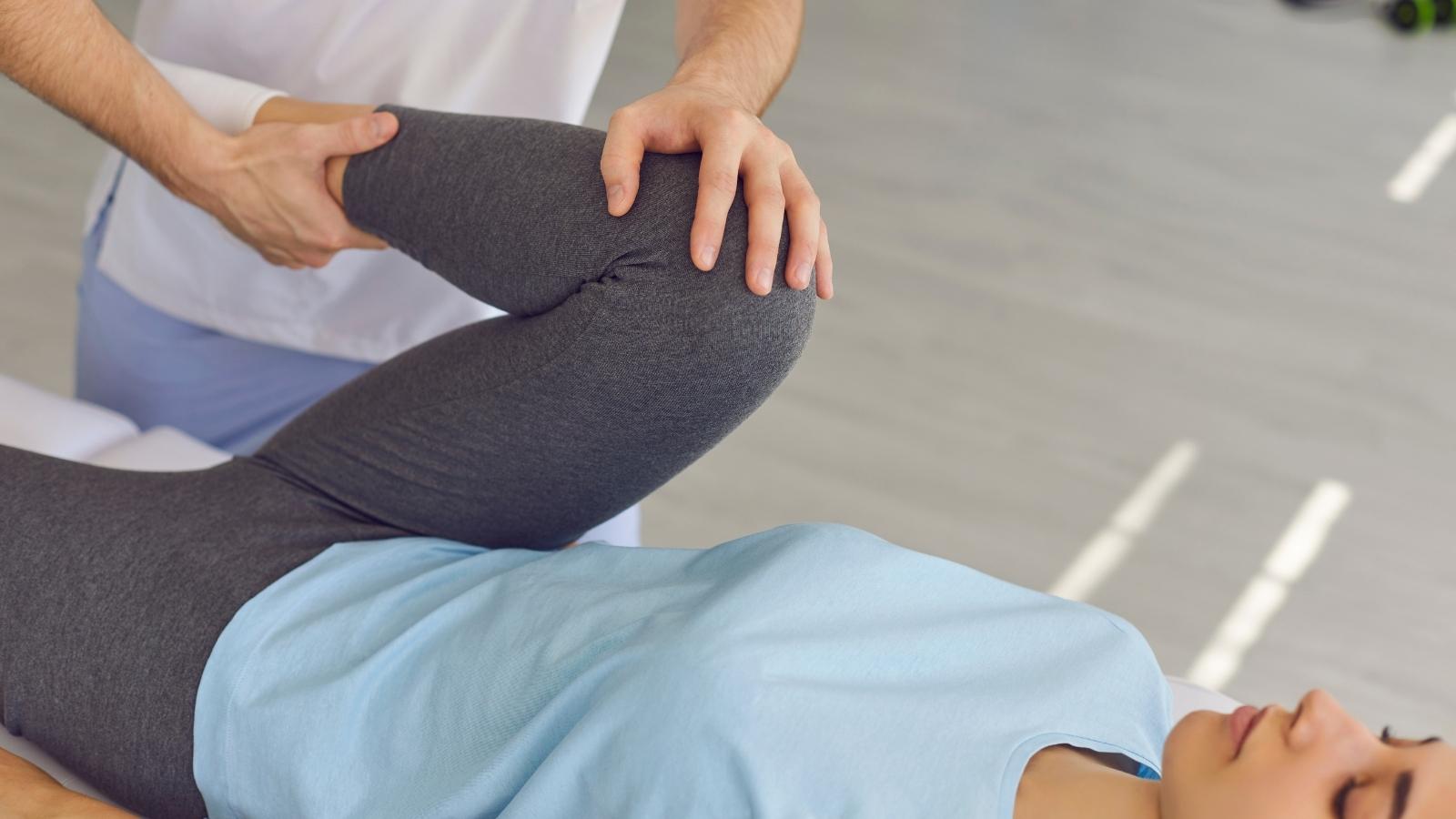
Knowing the process removes most of the anxiety. Here’s how a typical appointment unfolds with a qualified pelvic floor physical therapist.
- Detailed history. Your therapist asks about symptoms, childbirth history, pain patterns, and bowel and bladder habits.
- External assessment. They evaluate posture, breathing, hip mobility, and abdominal tension.
- Consent conversation. If internal assessment could help, they explain it fully and ask permission. An internal examination is always optional.
- Hands-on treatment. You lie comfortably, often on your back with knees bent, while the therapist applies gentle pressure to tight areas.
- Breathing work. Diaphragmatic breathing helps your pelvic floor release during the massage.
- Home program. You leave with stretches, breathing exercises, and sometimes self-care techniques.
Does it hurt
Manual treatment may cause tenderness. Tell the therapist about any pain, and ask them to reduce pressure or stop when needed. Feeling pain should not be interpreted as evidence that the therapy is effective.
Communication is constant. You control the pressure and the pace throughout. For people with hypersensitivity, gentle massage can even help retrain the nervous system to associate touch with comfort instead of pain.
Self-Massage and Safety

Some external techniques translate well to home care, but boundaries matter here. Getting professional guidance first protects you from doing harm.
What you can safely do at home
With your therapist’s instruction, home practice often includes:
- Diaphragmatic breathing to downtrain a clenched pelvic floor
- Gentle stretching like happy baby, child’s pose, and deep squats
- External perineal massage with clean hands and water-based lubricant
- Pelvic wands for self-release, but only after professional training
Therapists frequently teach gentle self-release using tools like a pelvic wand, though professional guidance comes first so you learn safe technique and which areas to avoid.
Our pelvic floor exercises guide and yoga stretches for pelvic floor relaxation offer starting points for the release side of the equation.
When to avoid pelvic floor massage
Skip it and call your healthcare provider if you have:
- An active infection in the pelvic or urinary tract
- Unexplained bleeding
- Recent pelvic surgery without clearance
- Severe pain that worsens with pressure
Always check with a provider before starting, particularly during pregnancy or postpartum. A pelvic floor therapist should hold specialized training and licensure, so ask about credentials before booking.
How Emsella Differs From Manual Therapy
Emsella applies electromagnetic energy to stimulate contractions of the pelvic floor muscles. This approach is distinct from the manual techniques used in pelvic floor physical therapy. A contraction-based treatment is not a substitute for relaxation and coordination work when excessive tension or pain is the main problem.
Treatment selection depends on diagnosis, symptoms, medical history and the device’s instructions and contraindications. A preference to avoid an internal examination does not by itself make Emsella appropriate; external physical-therapy approaches may also be available. Discuss the options with a qualified clinician before choosing treatment.
Discuss the Right Type of Pelvic Care
Pelvic floor manual therapy may be useful when an assessment identifies tension or movement problems. Internal treatment is optional and requires ongoing consent.
Natura can discuss Emsella for appropriate urinary-incontinence concerns. If you have pelvic pain, pain with intercourse or difficulty relaxing the muscles, ask about evaluation by a pelvic health specialist or physical therapist. The right treatment follows the diagnosis.
Frequently Asked Questions
How is a pelvic floor massage done?
A trained therapist applies gentle pressure to pelvic muscles, either externally on hips, thighs, and perineum, or internally with a gloved finger, always with your consent.
Do they finger you during pelvic floor therapy?
Internal assessment uses one gloved, lubricated finger to evaluate muscle tone clinically. It requires informed consent, remains entirely optional, and you may decline or stop anytime.
Can my husband give me a pelvic floor massage?
Only external techniques, and only after a therapist teaches proper method. Internal work requires clinical training, so leave that to a licensed pelvic floor physical therapist.
What does a pelvic floor massage feel like?
Expect pressure and mild tenderness at tight spots, similar to deep tissue massage. It should feel like releasing relief, never sharp pain. Tell your therapist immediately if it does.


