

Your body already knows how to heal. The real question is whether it’s doing it fast enough. TB-500 peptide has quietly moved from equine medicine and research labs into mainstream wellness and regenerative clinics, and for good reason. It targets the healing process at the cellular level, not just the symptoms sitting on top of it.
Most sources cover the basics and stop there. This one goes further.
Here’s what we’ll cover:
- What TB-500 peptide actually is and how it differs from Thymosin Beta-4
- The cellular mechanism that makes it work across multiple tissue types
- Its most researched benefits, from injury recovery to hair growth
- How TB-500 compares to BPC-157, and when to use each
- Realistic expectations: what changes, and when
If you’ve been curious about medically supervised peptide therapy, we offer TB-500 treatment here at Natura as part of a broader recovery and wellness program. Our providers handle the protocol so you don’t have to guess.
TB-500 vs. Thymosin Beta-4: Not the Same Thing
People use these two names interchangeably. They shouldn’t.
Thymosin beta-4 (Tβ4) is a naturally occurring protein made up of 43 amino acids, encoded by the TMSB4X gene and found in virtually every human cell. It plays a broad role in cellular repair, immune regulation, and tissue regeneration across multiple organ systems.
TB-500, on the other hand, is a synthetic fragment of that protein, specifically amino acids 17-23 (the sequence Ac-LKKTETQ), which represents the most biologically active region responsible for actin binding and cell migration.
Think of Tβ4 as the full orchestra. TB-500 is the lead instrument: smaller, more targeted, more stable, and easier to deliver via injection.
| Feature | Thymosin Beta-4 (Tβ4) | TB-500 |
|---|---|---|
| Type | Naturally occurring | Synthetic peptide |
| Amino acids | 43 | 7 |
| Molecular weight | ~4,963 Daltons | ~889 Daltons |
| Stability | Lower | Higher (N-terminal acetylation) |
| Biological range | Broad, multi-domain | Targeted actin-binding activity |
| Hair follicle activation | Documented | Less established |
| Cost to produce | Higher | Lower |
The key practical difference: Tβ4 carries additional regulatory sequences that TB-500 lacks. That means TB-500 doesn’t fully replicate every function of the parent protein. For most tissue repair and injury recovery purposes, however, the active region it does contain is where the majority of the healing activity lives.
Note for competitive athletes: Both compounds are banned under the World Anti-Doping Agency’s prohibited list under the S0 non-approved substances category, regardless of which form you use.
How TB-500 Works at the Cellular Level
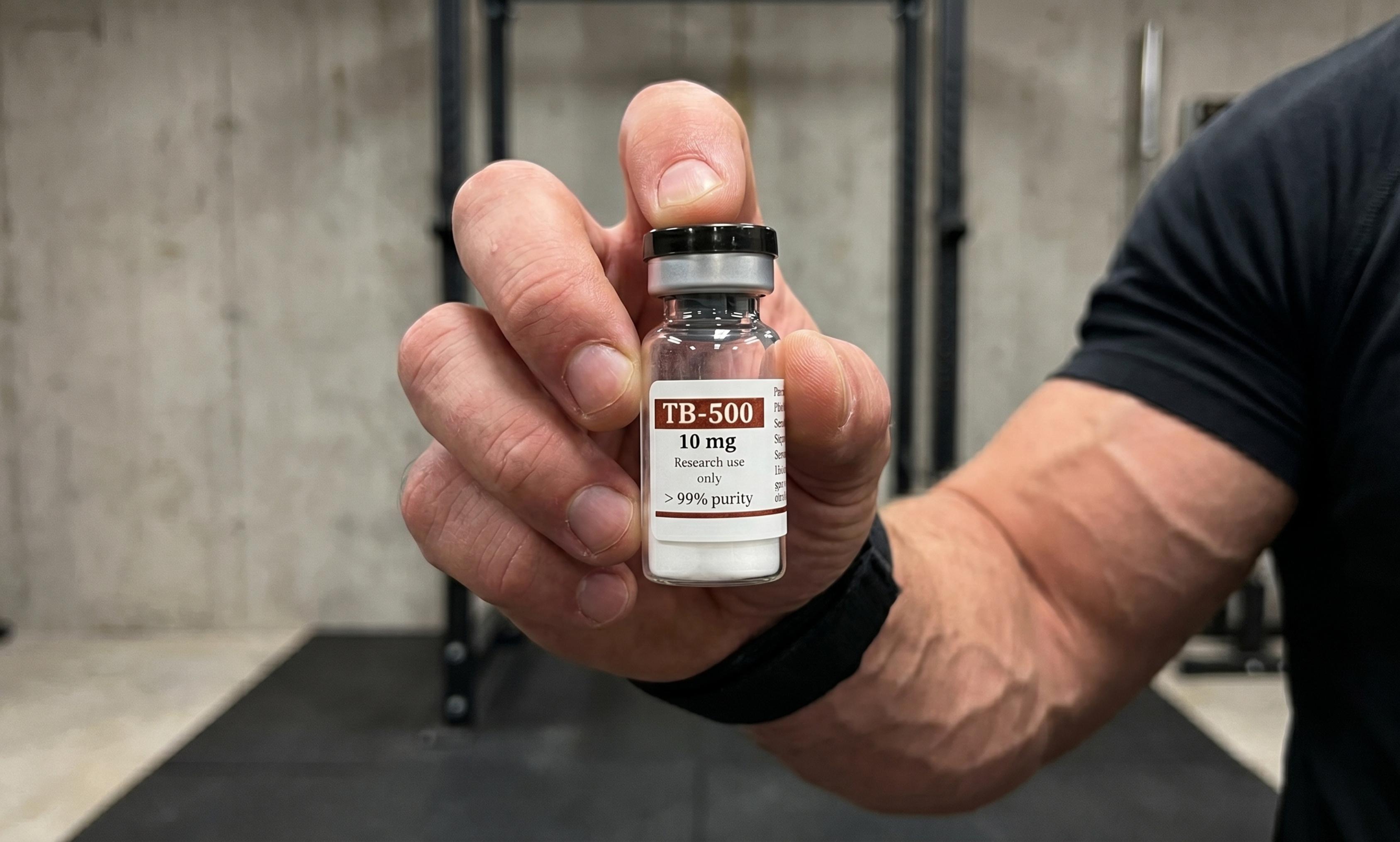
TB-500 doesn’t heal tissue directly. What it does is enable the cellular machinery responsible for healing to function faster and more efficiently. That distinction matters.
Step 1: Actin Regulation
The whole mechanism starts with actin, a structural protein that makes up roughly 10% of all proteins in the cell. Healthy cell migration, which is essential to any healing process, depends on the cell’s ability to rapidly reorganize its internal scaffolding.
TB-500 binds to G-actin (monomeric, unpolymerized actin), preventing premature filament assembly and keeping a mobile pool of actin available for rapid cell movement. The result: faster, more efficient repair through dramatically improved cell migration to damaged tissues.
Step 2: Angiogenesis
Once cells reach the injury site, they need resources. Blood vessel growth, specifically the formation of new capillaries through angiogenesis, is how those resources arrive. TB-500 upregulates VEGF (vascular endothelial growth factor), the primary driver of new blood vessel formation, which directly improves circulation to oxygen-starved damaged tissues. This is especially important for connective tissues like tendons and ligaments that have naturally poor blood supply.
Step 3: Inflammation Modulation
TB-500 doesn’t simply suppress inflammation the way NSAIDs or corticosteroids do. It modulates it, downregulating pro-inflammatory cytokines like TNF-alpha and IL-6 while preserving the acute inflammatory signals the body actually needs to initiate repair.
This is a meaningful distinction. Broad inflammation suppression, as seen with steroids, can actively impair tissue regeneration. TB-500’s anti-inflammatory effects reduce pain and chronic inflammation without interfering with the body’s natural healing processes.
Step 4: Survival Signaling
Beyond migration and vascular repair, TB-500 activates the Akt/PI3K pathway, a cellular survival mechanism that reduces apoptosis (programmed cell death) in damaged tissues. It also upregulates hepatocyte growth factor (HGF), which promotes tissue regeneration across multiple tissue types, including muscle, skin, and connective tissues.
The Most Researched Benefits of TB-500
Most sources list TB-500’s benefits in broad strokes. Here’s what the research actually shows, with appropriate context on how strong the evidence is for each.
Injury Recovery: Tendons, Ligaments, Muscles
This is the strongest and most consistent use case. Animal studies show TB-500 increased tendon tensile strength by over 70% at week four post-injury, with substantially enhanced collagen deposition.
For individuals recovering from ligament injuries, muscle strains, rotator cuff damage, or Achilles tendinopathy, the mechanism is directly relevant: improved cell migration, reduced inflammation, and accelerated new blood vessel formation all address the core bottlenecks in soft tissue repair.
Patients dealing with chronic joint pain or sports injuries often turn to peptide therapy after conventional approaches plateau. Physical therapy addresses the structural side; TB-500 targets the cellular side. They are not mutually exclusive.
Wound Healing and Skin Repair
In preclinical models, thymosin beta-4 produced accelerated wound healing, with wounds closing measurably faster than untreated controls. Phase 2 clinical trials using topical Tβ4 for chronic venous ulcers showed healing accelerated by nearly a month in responsive patients. The mechanism, enhanced keratinocyte and fibroblast migration alongside collagen synthesis, translates directly to faster recovery from surgical incisions and traumatic wounds.
Cardiovascular Health
Preclinical research shows TB-500 supports cardiac repair following myocardial infarction, reducing infarct size, improving left ventricular ejection fraction, and limiting scar tissue formation in the heart muscle.
The mechanism involves enhanced angiogenesis in cardiac tissue alongside anti-inflammatory effects that preserve surviving cardiomyocytes. Human clinical data in this area remain limited, but the preclinical signal is among the strongest in TB-500 research.
Traumatic Brain Injury and Neuroprotection
Less commonly discussed but worth noting: animal models of traumatic brain injury treated with thymosin beta-4 showed a 58% reduction in contusion volume and 64% improvement in motor recovery.
The peptide promotes oligodendrocyte survival, reduces neuroinflammation, and supports angiogenesis in damaged neural tissue. This is an emerging research area, not a validated clinical indication, but it explains why regenerative medicine practitioners are paying close attention.
Hair Growth
TB-500 activates hair follicle stem cells and promotes scalp angiogenesis via VEGF upregulation, creating a more nutrient-rich environment for follicle activity. Preclinical studies show increased hair growth rate, extended anagen (active growth) phase, and larger follicle size.
No large-scale human hair trials exist yet, making this a secondary benefit supported by mechanism rather than clinical proof. Still, users with diffuse thinning or poor scalp circulation consistently report improvements on cycle.
Our peptide therapy program covers these use cases under full medical supervision, with treatment goals matched to each patient’s specific condition and recovery targets.
TB-500 vs. BPC-157: Which One Do You Need
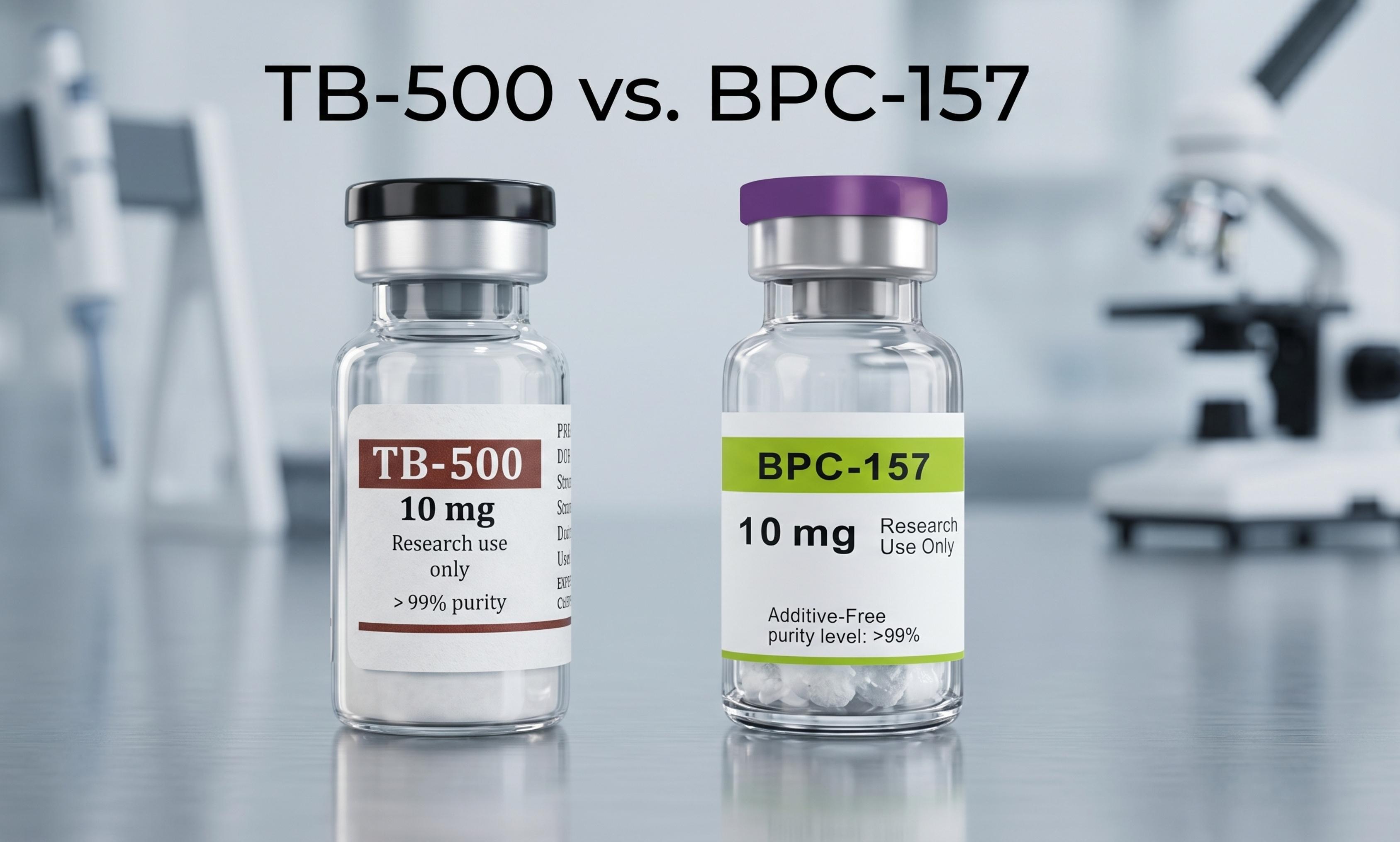
These two get compared constantly because they’re so often used together. But they are genuinely different peptides with different strengths, and knowing which one fits your situation matters.
BPC-157 (body protection compound) is a 15-amino acid synthetic peptide derived from a protective protein found in gastric juice. Its mechanism centers on the FAK-paxillin signaling pathway, VEGF modulation, and nitric oxide production, all of which drive localized healing at a specific injury site.
It’s particularly strong for tendon and ligament injuries, gut health repair, and nerve regeneration. BPC-157 therapy is typically administered via injection near the injury for maximum local effect.
TB-500 works systemically. The injection site is essentially irrelevant to where the healing happens. It circulates throughout the body, driving cell migration and blood vessel formation wherever tissue is damaged. It is a better fit for widespread or hard-to-locate injuries, post-surgical recovery, and situations where systemic reduction of inflammation is the priority.
| Feature | TB-500 | BPC-157 |
|---|---|---|
| Origin | Thymosin beta-4 fragment | Gastric protective protein |
| Mechanism | Actin regulation, cell migration | FAK-paxillin, VEGF, nitric oxide |
| Action | Systemic | Localized |
| Best for | Widespread tissue damage, tendons, and systemic recovery | Specific injury sites, gut health, and tendons |
| Oral option | No | Yes (though injection is more effective) |
| Dosing unit | Milligrams | Micrograms |
| WADA status | Banned | Banned |
When to use both: The “Wolverine Stack,” combining TB-500 with BPC-157, gives you systemic and local coverage simultaneously. BPC-157 concentrates healing at the injury site while TB-500 mobilizes the cellular workforce across the body. For serious muscle strains, ligament injuries, or post-surgical recovery, this combination is the most comprehensive approach available in regenerative medicine.
When to use TB-500 alone: When the injury is systemic, diffuse, or difficult to access with a localized injection. Also, when cardiovascular health support or broader tissue regeneration is the goal, rather than a single acute site.
Talk to a qualified healthcare provider before combining peptides. Stacking amplifies effects, which also means stacking amplifies the need for proper dosing and medical supervision.
Realistic Expectations: What Changes and When
This is the section most sources skip, and it’s arguably the most important one.
TB-500 does not produce overnight results. The peptide begins upregulating actin expression and initiating cell migration within 48-72 hours of the first injection, but observable tissue repair follows a timeline set by biology, not by the compound itself. The tissue type matters more than almost anything else.
Results by Timeline
| Tissue / Condition | First Signs | Meaningful Improvement |
|---|---|---|
| Acute muscle strains | 7-14 days | 3-4 weeks |
| Wound healing/skin | 5-10 days | 3-5 weeks |
| Tendon injuries | 3-4 weeks | 6-8 weeks |
| Ligament injuries | 3-5 weeks | 8-10 weeks |
| Chronic joint pain | 2-4 weeks | 8-12 weeks |
| Hair growth | 4-6 weeks | 10-16 weeks |
| Cardiac/neurological | 4-8 weeks | 12-16+ weeks |
Tendons heal slowly because they have a poor blood supply. TB-500’s angiogenesis mechanism helps with that problem, but it cannot override the biological timeline of collagen remodeling. Individuals recovering from tendinopathy who expect results in two weeks are almost always disappointed, not because the peptide failed, but because they misunderstood the timeline.
What to Track
Rather than waiting to “feel” results, track these markers:
- Range of motion: Improved joint mobility is often the first measurable sign
- Pain at rest vs. pain under load: Reducing inflammation shows up here first
- Recovery time between sessions: Faster muscle recovery is typically noticed early in the loading phase
- Wound closure rate: If applicable, photograph and measure weekly
What to Avoid
- Skipping the loading phase or cutting it short
- Expecting linear improvement every week (progress is non-linear)
- Stopping the protocol at week 3 because results aren’t dramatic yet
- Using TB-500 without addressing the underlying cause of the injury
A complete 8-12 week protocol under medical supervision gives TB-500 the time it needs to work through the body’s natural healing processes. Anything shorter is an incomplete test.
At our clinic, we pair TB-500 therapy with a structured follow-up protocol so patients aren’t guessing at progress. Healthcare providers at Natura assess response at key intervals and adjust the maintenance phase accordingly.
Smarter Recovery Starts at Natura Dermatology & Cosmetics
TB-500 is not a shortcut. It is a scientifically grounded synthetic peptide that works with your body’s existing repair mechanisms, not around them. Understand the mechanism, respect the timeline, and use it under proper medical supervision.
Key takeaways:
- TB-500 is a 7-amino acid synthetic fragment of thymosin beta-4, not the same compound
- Its primary mechanism is actin regulation, driving faster cell migration to damaged tissues
- New blood vessel formation via VEGF upregulation is central to its healing process
- Strongest evidence supports use for tendon injuries, muscle strains, and wound healing
- Stacking with BPC-157 combines systemic and localized tissue regeneration for broader coverage
- Results follow a biological timeline: acute injuries respond in weeks, chronic conditions take months
- TB-500 is not FDA-approved and is banned by the World Anti-Doping Agency for competitive athletes
If you are considering peptide therapy, doing it right means doing it under supervision. At Natura Dermatology & Cosmetics, our providers evaluate your full health profile before building a TB-500 protocol around your specific recovery goals. No guesswork, no generic dosing charts.
Frequently Asked Questions
Does TB-500 Help With Hair Growth?
Yes. Among its reported benefits, TB-500 activates hair follicle stem cells and improves scalp circulation. Human data is limited, but faster healing of follicle tissue is commonly reported.
How Does TB-500 Affect the Heart?
TB-500 shows potential benefits for cardiac repair in animal models, reducing scar tissue after myocardial injury. Its anti-inflammatory properties support cardiovascular tissue regeneration. Human use of data remains limited.
How Many Days a Week Should You Take TB-500?
Twice weekly, spaced 3-4 days apart. This schedule sustains repair signaling across several weeks without overloading the system. Daily lower-dose splits work equally well for patients recovering on blended protocols.
Do I Need TB-500 With BPC-157?
No, but combining these regenerative peptides amplifies results. BPC-157 targets localized repair; TB-500 works systemically. Together, they cover more tissue, offering quicker recovery for muscle injuries and ligament damage.
What Is the Difference Between BPC-157 and TB-500?
BPC-157 is a synthetic version of a gastric protective protein targeting local repair. TB-500 acts systemically via actin regulation. They are complementary to other peptides, not interchangeable, with distinct performance enhancement profiles.
How Quickly Does TB-500 Start Working?
Cell migration begins within 48-72 hours. Meaningful tissue repair follows several weeks later. Commonly reported timelines: muscle injuries improve in 1-2 weeks; tendon and ligament injuries take 4-6 weeks minimum.


