

No experimental peptide can be recommended as the best option for muscle growth based on current evidence. Hormone changes, animal findings and online testimonials do not establish useful muscle gains or long-term safety in healthy adults. This guide separates established medical indications from performance claims
How the Proposed Mechanisms Work
Some experimental compounds stimulate growth-hormone pathways; others are studied for tissue responses. Those mechanisms are research questions, not proof of increased strength or muscle in healthy adults. Effects and risks also vary by formulation and route.
Compounds Often Marketed for Muscle Growth
CJC-1295 and ipamorelin are not FDA-approved muscle-building treatments, and their combination should not be described as the safest or most effective stack. Tesamorelin has a specific approved use to reduce excess abdominal fat in adults with HIV-associated lipodystrophy; that is not an approval for bodybuilding or general weight management.
What Human Evidence Can Tell Us
A useful trial must measure outcomes that matter, such as strength and function, in the relevant patient population. An increase in growth hormone or a change in lean mass is not equivalent to a proven improvement in muscle performance. Do not transfer results from a medical-condition study to healthy lifters or promise a specific amount of muscle gain.
Approval and Safety
FDA approval, compounding eligibility and sports eligibility are separate questions. FDA has identified safety concerns and limited data for several peptides marketed for performance. A prescription, purity certificate or medical supervision does not establish a safe bodybuilding use. Competitive athletes must also check their governing body’s current rules.
The Foundations of Muscle Development
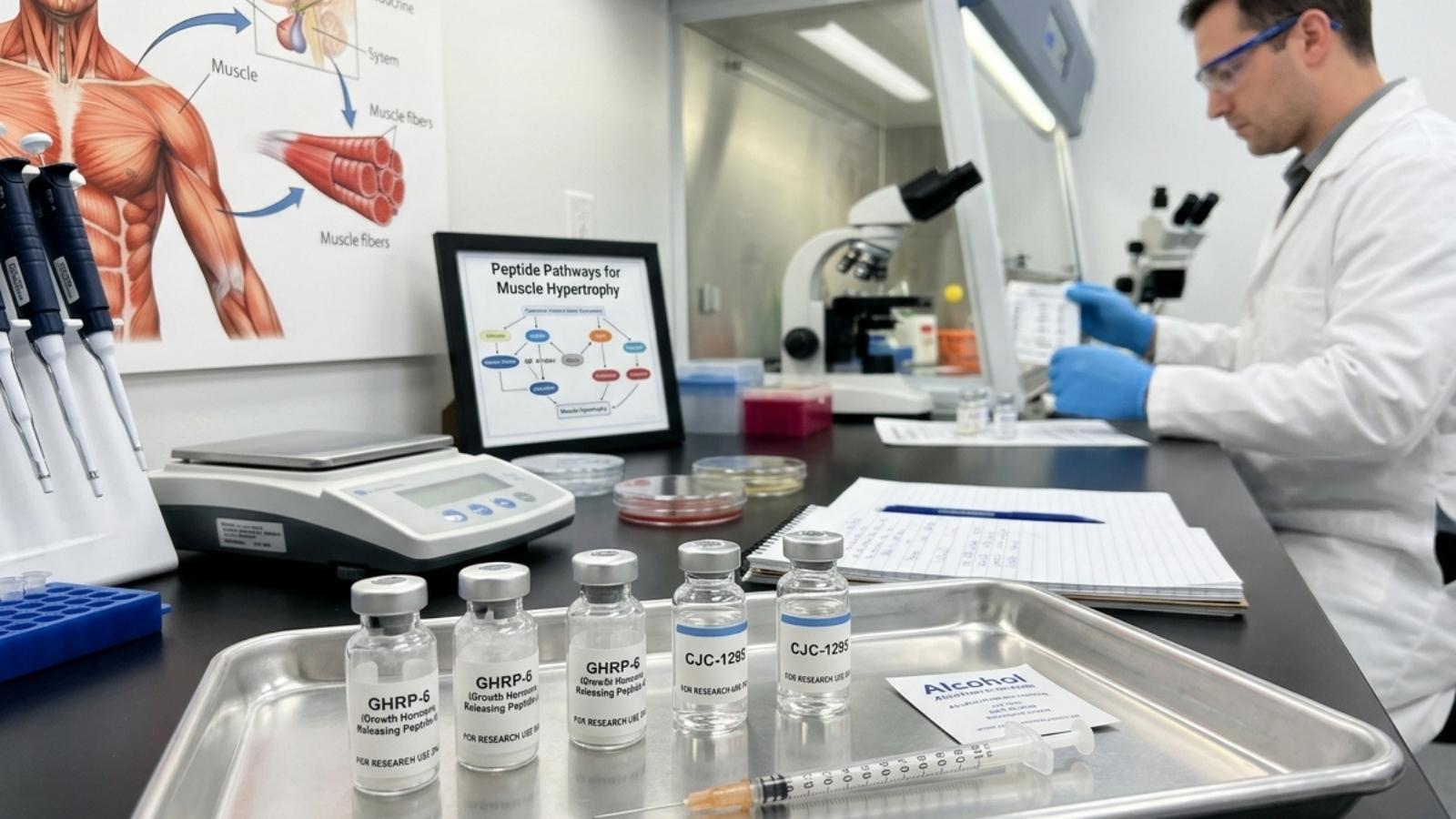
A progressive resistance-training program, sufficient food and protein, and adequate recovery support muscle development. If progress is unexpectedly poor or accompanied by fatigue or weakness, seek medical evaluation rather than assuming a hormone deficiency or choosing an experimental compound.
Recovery Claims Need Their Own Evidence
BPC-157 and TB-500 are not established treatments for faster recovery or injury healing in people. Preclinical findings cannot demonstrate that these products shorten rehabilitation or prevent reinjury. Rehabilitation and return-to-activity decisions should follow the diagnosis and clinical progress.
Discuss Your Goals With Natura
Ask about the evidence, risks and alternatives before considering any peptide-related treatment. A consultation can help identify whether your concerns need further medical evaluation. There is no proven muscle-growth stack that removes the need for that assessment.
Frequently Asked Questions
What peptide is best for muscle growth?
There is insufficient evidence to recommend an experimental peptide as the best muscle-building option for healthy adults.
Is CJC-1295 with ipamorelin a proven stack?
No. The combination is not an FDA-approved muscle-growth treatment, and long-term safety and benefit are not established.
Does tesamorelin approval cover bodybuilding?
No. Its approved use concerns excess abdominal fat in adults with HIV-associated lipodystrophy.
Are recovery peptides proven to heal injuries?
BPC-157 and TB-500 have not been established as safe and effective human injury treatments.


