

Products marketed as peptides for muscle growth are not interchangeable. Collagen powders are dietary supplements; prescription peptide medicines have specific medical uses; and research peptides are not established muscle-building treatments. Before buying, check what the product is, what evidence supports it and whether its proposed use is appropriate.
Different Products, Different Standards
Collagen peptides are digested dietary proteins. Approved peptide medicines are evaluated for defined conditions and formulations. A certificate of analysis from a vendor does not make a research-use product suitable for treating patients. None of these categories should be treated as a general endorsement of injectable muscle-growth peptides.
Collagen Supplements
Collagen powder is not equivalent to an injectable hormone-related peptide and should not be marketed as a substitute for progressive resistance training or adequate overall nutrition. Check the source ingredients if you have food allergies. An allergy percentage cannot be generalized across collagen products without evidence for the exact formulation and population.
Prescription Status Is Not Proof of Approval
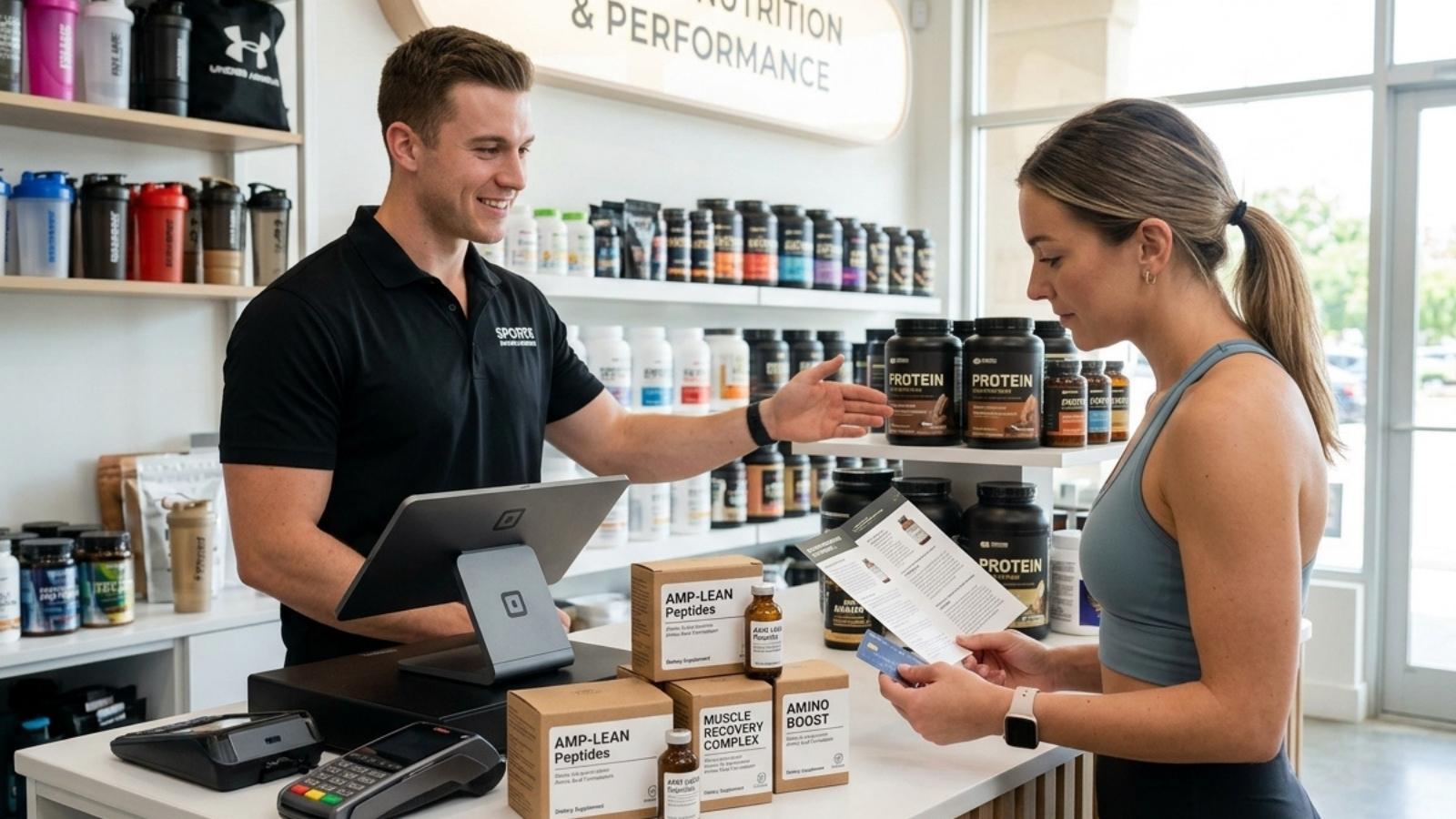
A prescription does not make a compounded drug FDA-approved or establish an experimental peptide’s effectiveness for muscle growth. Ask which product is proposed, whether the intended use is approved, and what reliable human evidence supports it. A licensed prescriber and pharmacy remain responsible for complying with applicable requirements.
Risks of Research-Use Products
Online products may have uncertain identity, concentration or sterility. Testing documentation alone does not establish a safe human dose or a clinical benefit. Do not use products labeled for research or not for human consumption as medicines.
How to Evaluate a Proposed Treatment
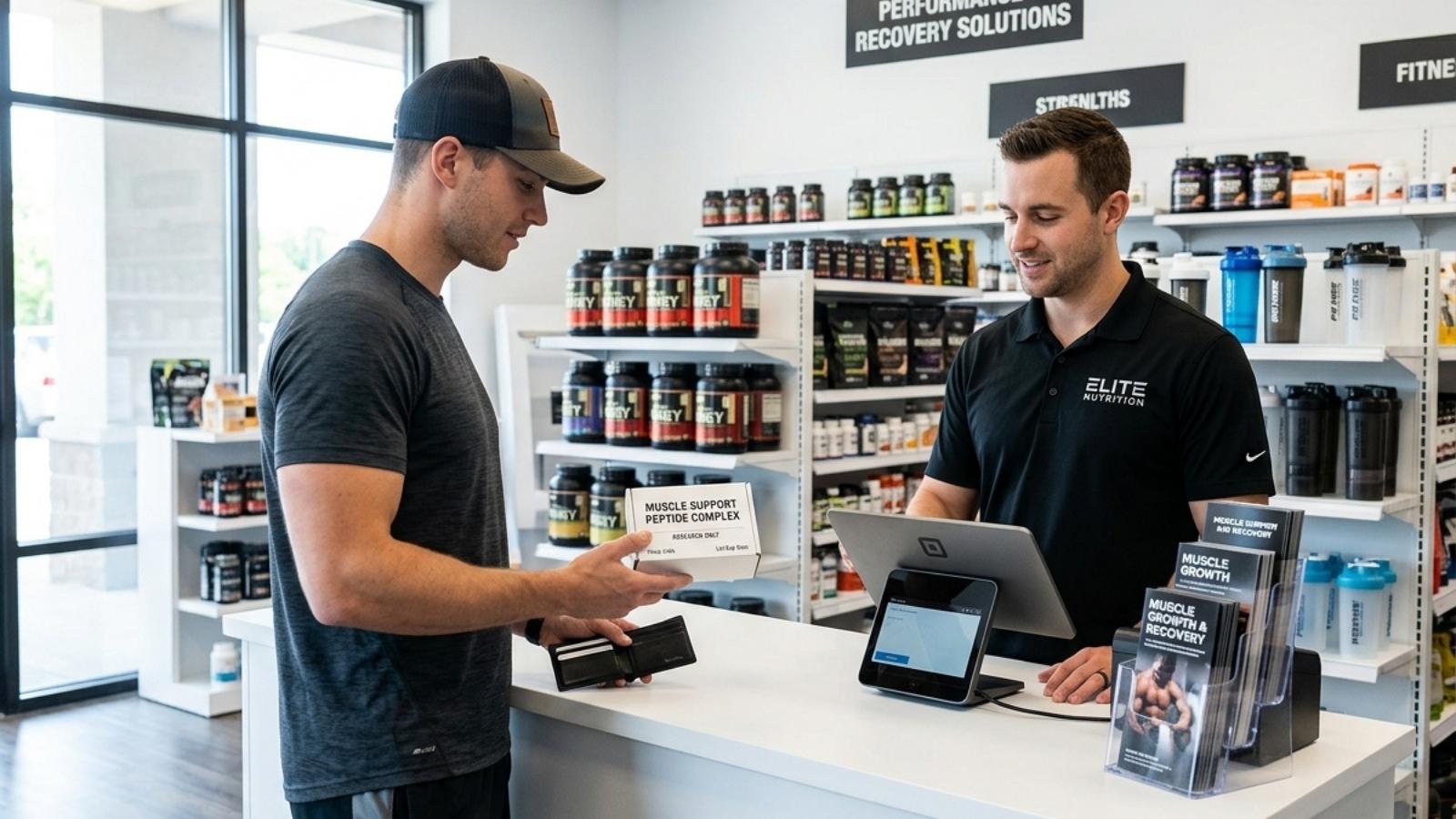
Begin with an evaluation of your health and objectives rather than choosing compounds first. Ask a licensed clinician about established treatment options and consult a licensed pharmacy for any prescribed medicine. A local clinic does not automatically make an unapproved muscle-growth product safe, effective or lawful.
Mechanisms Are Not Muscle-Growth Results
Some compounds affect growth-hormone signaling in research settings. Changes in a hormone measurement do not by themselves prove meaningful gains in strength or muscle, improved recovery, or acceptable long-term safety in healthy adults.
Questions for Your Clinician
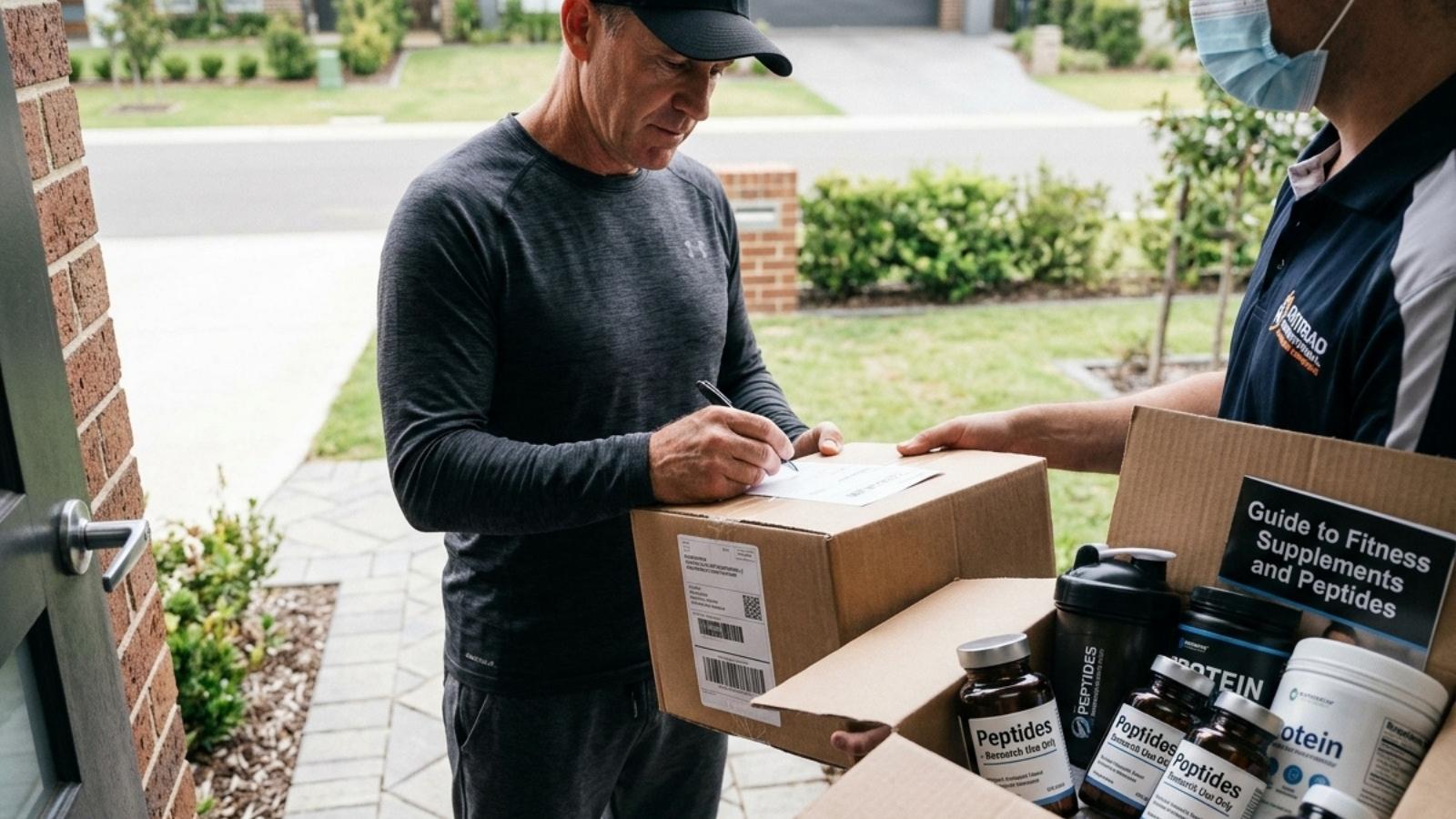
Ask whether symptoms warrant evaluation for a medical condition, which outcomes have been shown in human trials, and what risks and alternatives apply. Obtain the exact product and dispensing information before deciding. Clinical oversight cannot turn insufficient evidence into an established treatment.
Build a Plan Around Evidence
Resistance training, adequate nutrition and recovery remain central to building muscle. If you have unexplained weakness, fatigue or difficulty recovering, seek an assessment of the cause. Natura can review your concerns and determine whether additional evaluation or a specialist referral may be appropriate.
Frequently Asked Questions
Where can I get peptides for muscle growth safely?
Do not buy research-use peptides for self-treatment. First discuss your goals and established alternatives with a licensed clinician.
Does a prescription mean a peptide is FDA-approved?
No. Approval is specific to a drug product and indication; compounded drugs are not FDA-approved.
How are collagen powders different from injectable peptides?
No. They are different products with different uses, evidence and risks.
Can a clinic guarantee safety?
No. Clinical assessment and monitoring do not remove the intrinsic or unknown risks of a product.


