

There is no universal injection site or technique for peptides. Route, device, dose, storage and preparation depend on the exact prescribed medicine. Use its instructions and hands-on training from your healthcare team. This article does not provide an injection protocol for experimental or research-use products.
Why Product-Specific Instructions Matter
A medicine intended for injection under the skin must not be switched to a muscle or vein based on general online advice. Formulation, device and concentration affect administration. Ask your clinician or pharmacist to demonstrate the exact product you receive.
Injection Sites Depend on the Medicine
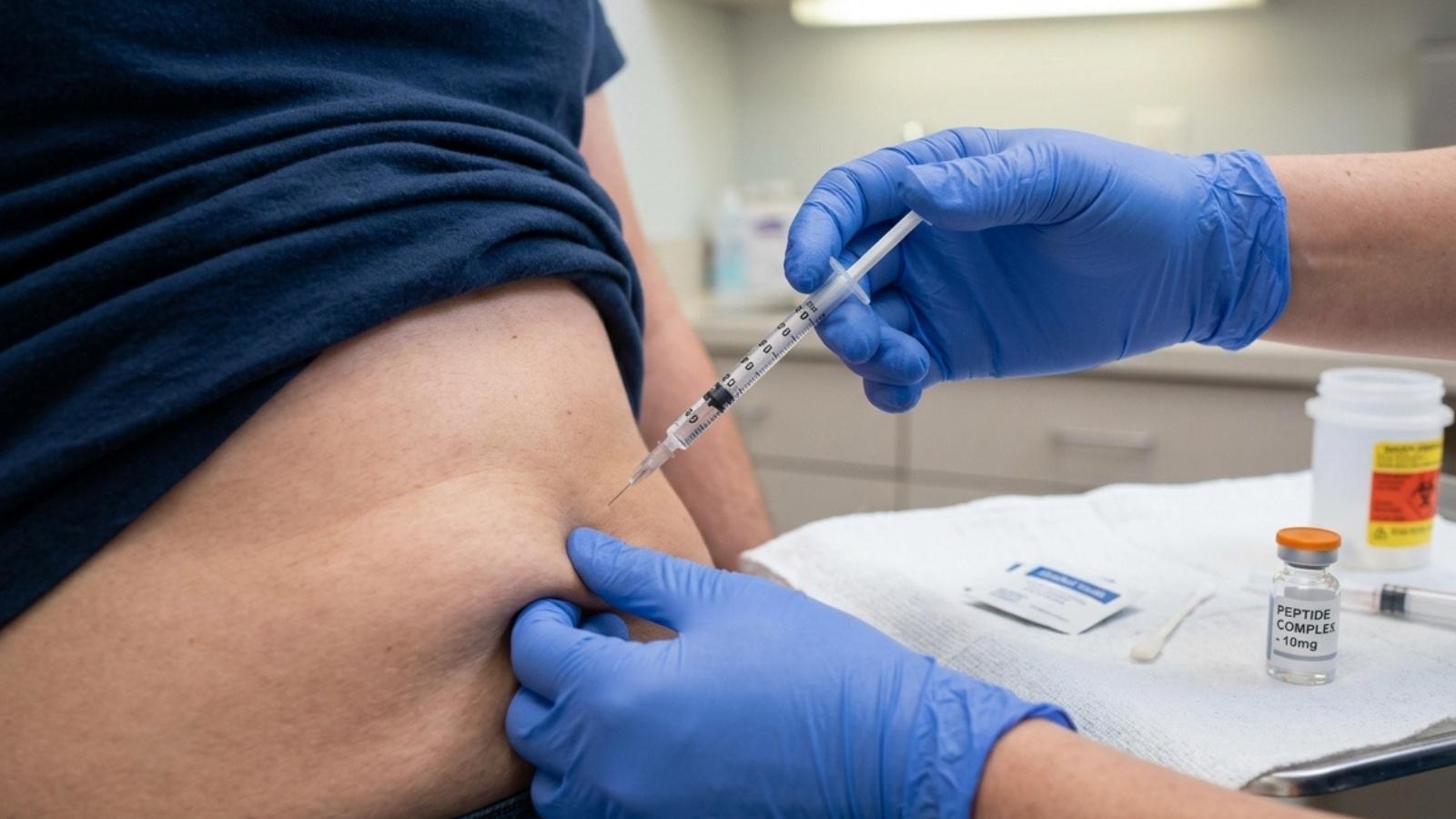
Some approved medicines list the abdomen, thigh or upper arm as permitted sites, but those directions are not interchangeable across products. Follow the specific label and clinician instructions, including who may administer a dose in a particular location. Do not use this list as guidance for BPC-157, TB-500 or other experimental products.
Subcutaneous and Intramuscular Are Different Routes
Subcutaneous injections deliver medicine beneath the skin; intramuscular injections deliver it into muscle. These routes cannot be substituted without product-specific prescribing guidance. An injection closer to an injury has not been established as a better approach for an experimental peptide.
Understanding Lipohypertrophy

Lipohypertrophy is a thickening or enlargement of fatty tissue that can occur at repeatedly used injection sites, particularly with insulin. It is not simply fatty scar tissue. Ask your healthcare team to assess lumps or changes at injection sites and explain the correct rotation plan for your medicine.
Risks of Self-Directed Injection
Uncertain potency, contamination, dosing mistakes and the wrong administration route can cause harm. A research-use label is not a prescription or an assurance of sterile manufacture. Do not attempt to make a research product suitable for injection at home.
Questions to Ask Your Provider
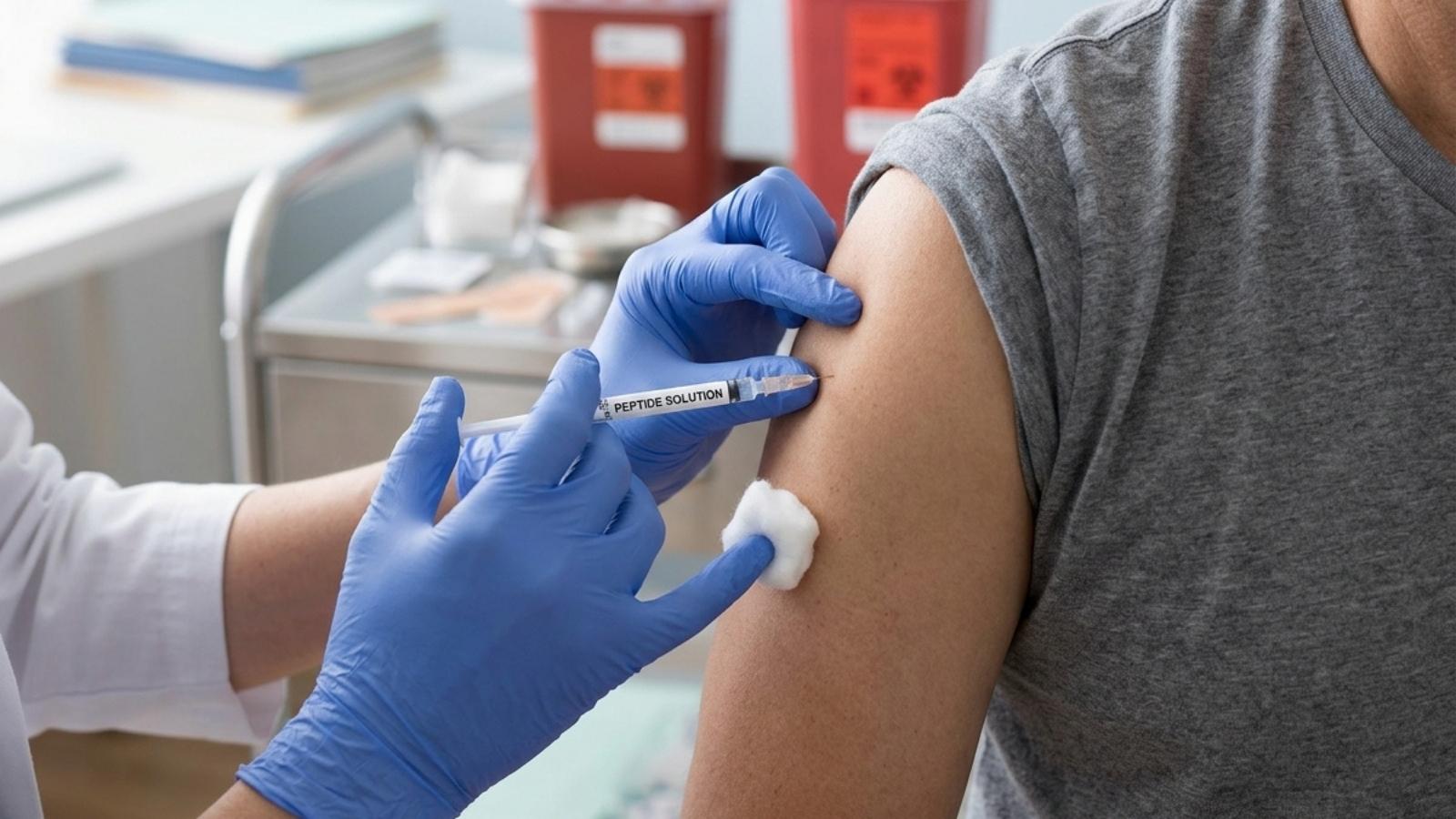
Confirm the medicine, concentration, dose, device, injection route, storage conditions and what to do after a missed dose. Ask for a demonstration and show the clinician how you would prepare and administer it. Never transfer instructions from a different product or concentration.
Preparation Depends on the Product
Do not apply a generic reconstitution, dilution or storage recipe. Some products arrive ready to use, while others have specific preparation requirements. Follow the dispensing label and product instructions, and ask the pharmacist if anything is unclear.
Rotation and Aftercare
Follow the medicine’s site-rotation instructions for each dose; a universal two- or three-day rotation rule is inappropriate. Do not inject into areas your product instructions tell you to avoid. Seek medical assessment for increasing redness, warmth, swelling, drainage or fever, and emergency help for breathing difficulty or swelling of the face or throat.
Ask for Individual Instruction
If an injectable medicine is prescribed, request training for that exact medicine and device. A consultation should also address whether treatment is indicated, its known and unknown risks, and established alternatives. Supervision does not establish an experimental peptide’s safety.
Frequently Asked Questions
Where should a peptide medicine be injected?
Use only the sites and route specified for the exact prescribed product.
Can I inject near an injury?
Do not choose an injection site based on proximity to an injury. Experimental peptide protocols have not established a safe, effective local-injection approach.
Can I change the injection route?
Not without explicit product-specific instructions from the prescribing clinician.
How should I mix a peptide powder?
Do not use a generic online mixing recipe. A research-use powder should not be prepared for self-injection.
What if an injection site becomes painful or swollen?
Contact your healthcare team, particularly if redness is spreading, the area feels hot, or you develop fever.


